


I have heard many people say autumn is their favourite season, and I can see why. Fall’s colours are vibrant, cool breezes refresh, sweaters and fireplaces feel cozy, and if you’re like me, pumpkin spice lattes are the icing on the cake!
While I love autumn for these feelings of comfort, I likewise find myself filled with nostalgia and some sadness. The leaves alone represent this contradiction: some calling to me in friendly whispers as the wind sways their branches, others crunching in death beneath my feet. The striking colours of burgundy, crimson, and gold never cease to impress me, and yet bare branches and hues of taupe ensue. Life continues both within those branches and unseen beneath the cold, muddy ground; however, the visible representations of life so noticeably on display in one moment are missed tremendously in the next.
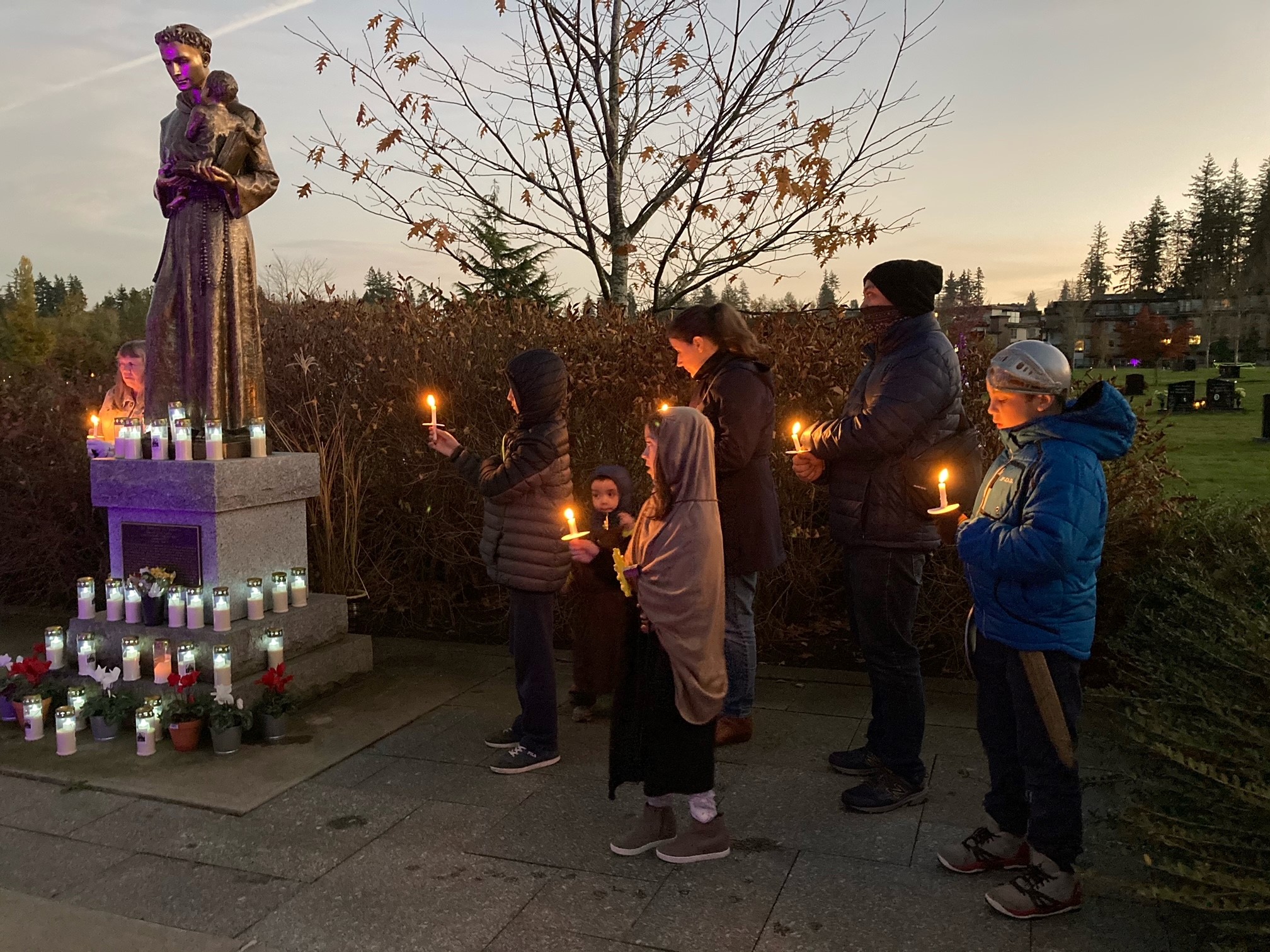
The feasts of All Saints’ Day on Nov. 1, followed by All Souls’ Day on Nov. 2, echo the leaves in this life-death contrast. While the hope and promise of eternal life inspire us, we likewise mourn the loss of those gone before us.
The saints remind us that we are all called to sainthood. This is not to say we will achieve the impossible goal of being perfect, but stories of the saints tell us that anyone, through the grace of God, can be holy. We must live our “best” lives, not in a secular, self-centred sense, but in the spiritual realization that we are called to live the life God intended for us. The saints tell us that imperfect people can make good choices, and that we can turn to them – holy men and women who have also walked the earth – and ask them to intercede for us.
All Souls’ Day reminds us to continue to honour and pray for our own deceased loved ones and the dead with no one to pray for them. While we all desire to live in the communion of saints, we realize that many people need continued prayers from us before this can happen. Both feast days inspire us with the hope of eternal life, but All Souls’ Day can also evoke sadness and the raw feelings of personal loss. We may pray for “all souls,” in general, but it is those who are missing from our own dinner tables and conversations we miss the most.
Continuing the theme of remembrance, Remembrance Day offers the chance to reflect on human expenditures in the name of peace. We give thanks for those who have deliberately chosen to make sacrifices for the common good and for the innocent bystanders who paid the ultimate price because they had no choice; for those who left home as children and returned as adults with emotional baggage and nightmares we can never comprehend. We are grateful, and yet we are saddened – even angered – by the violence and senselessness of war.
By the time Remembrance Day arrives, the wind is colder, the trees are barer, the days are much shorter, the nights seem darker, and the seriousness of the occasion arouses both gratitude and sorrow. We pray in thanks, we pray for those left to suffer, and for the souls of those sacrificed for others.
Remembrance Day always leaves me somewhat shaken, and this is a good thing. It reminds me that life is fragile, and life is short. We must embrace signs of life while they are here and seek it whether hidden in dormant plants or in prayerful conversation with those whose earthly lives have ended.
Until the candles of Advent begin to shine and neighbourhoods slowly come alive in twinkling lights, let us wander purposefully through the seriousness of November. For the gifts of life and hope, holiness and peace are illuminated most effectively by the contrasting darkness of death, the pain of loss, and the reality of war.
Autumn is a time of contradiction, and November is filled with sombre reflection; however, life and light remain. The warmth of prayer and the hope of heaven comfort and sustain us in any season, but perhaps more so at this time of year. Maybe autumn is my favourite season too.







