


In the history of cinema, few movie directors have received the recognition of screen enthusiast that has been accorded to Steven Spielberg. In his latest work, The Fabelmans, Spielberg has attempted to trace the roots of his own journey to artistic greatness.
In what is essentially Spielberg’s own Portrait of the Artist as a Young Man, he reflects back, as did novelist James Joyce, on the forces that shaped his embarking on his career – forces which resonate in many of his great films.
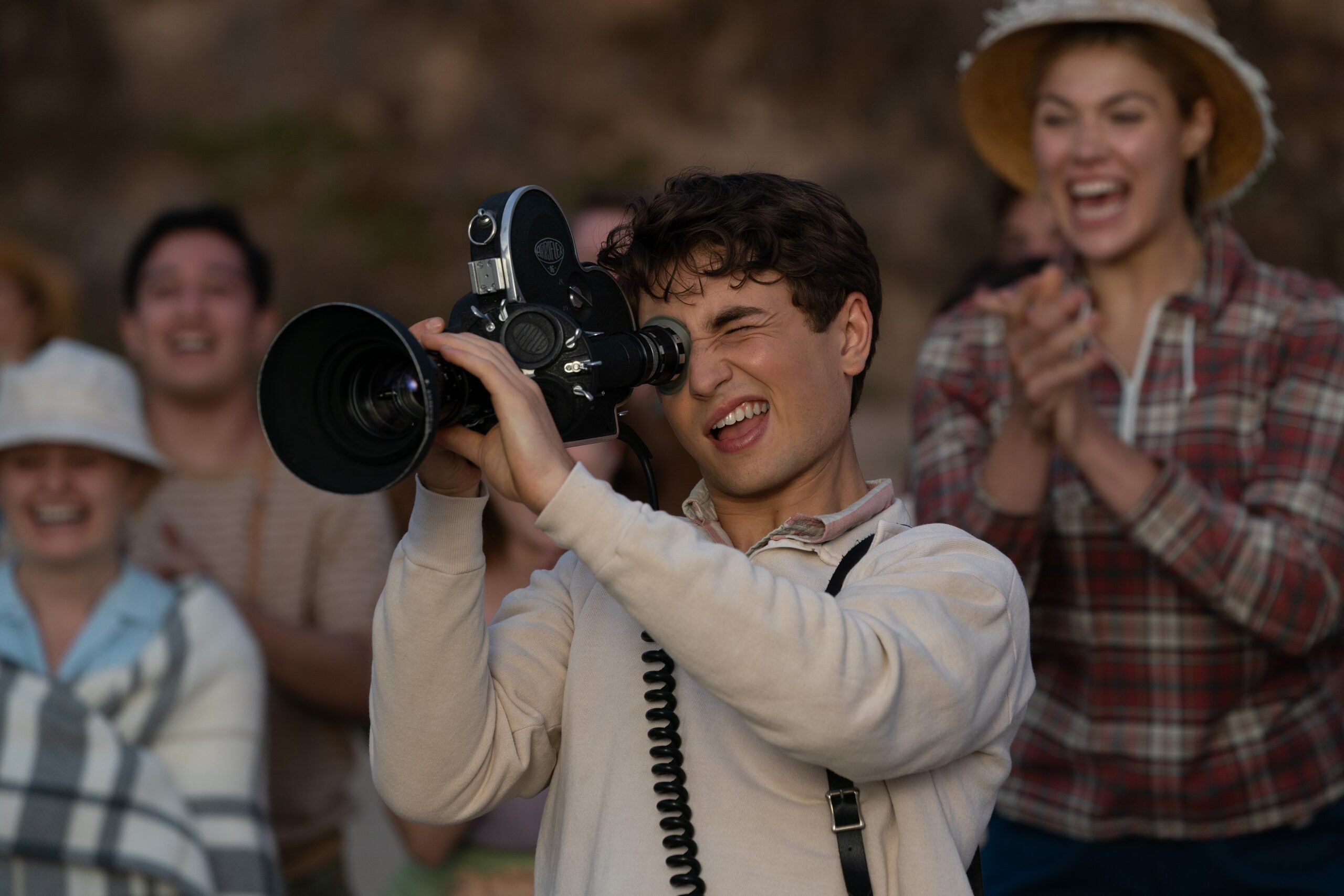
The Fabelmans opens with the young protagonist, Sammy Fabelman, first attending a movie: The Greatest Show on Earth. Mesmerized by the spectacle, he is inspired to go home and with his father’s hand-held 8 mm camera attempt to recreate the train wreck shown in the film (and, to this day, the only scene that most of us remember from that otherwise over-praised production).
Once seized by the magic of moving pictures, Sammy continues to pursue filmmaking in what becomes for him a passion. What follows is a series of episodes which presage much of what the adult director became.
Without recounting a series of plot spoilers, it will suffice as an indication of the themes explored that one can see in each episode a reflection of the Spielberg films we have come to admire. Thus the portrait of a flawed but essentially loving suburban family presages E.T.; his attempt at making a film about World War II comes to fruition in Saving Private Ryan; his early attempts at a horror film ultimately lead to his superb achievements in science fiction and fantasy. The viewer can indeed have fun playing “spot the movie reference!”
More importantly the film shows how he learned what it is possible for the director to achieve; helping an actor perform beyond the actor’s own expectations; the ability to use one’s own life experiences, including being subject to racism and anti-Semitism, in one’s role both as a director and writer; understanding that a director can create the star image of an actor which is ultimately a fiction – not at all what the actor really is; recognizing that the camera can capture more than even the director himself realizes; and ultimately, the realization that what the great director shows the audience is at its best a brilliant manipulation of image to achieve the most potent effect. Spielberg clearly learned the lessons well, to our enormous pleasure.
Being the great director that he is, Spielberg presents this superbly. He draws wonderful performances from his cast, most notably Michelle Williams as the mother and Gabrielle LaBelle as the teenaged Sammy Fabelman. In a time when cynicism and negativity prevail, it is indeed a rare treat that not only makes the audience aware of the genius of the artist, but also creates a positive image of a group of loving, albeit imperfect, individuals. The result is an endearing and likeable film which takes the audience on a journey which is both artistically fascinating and gently heartwarming.







