

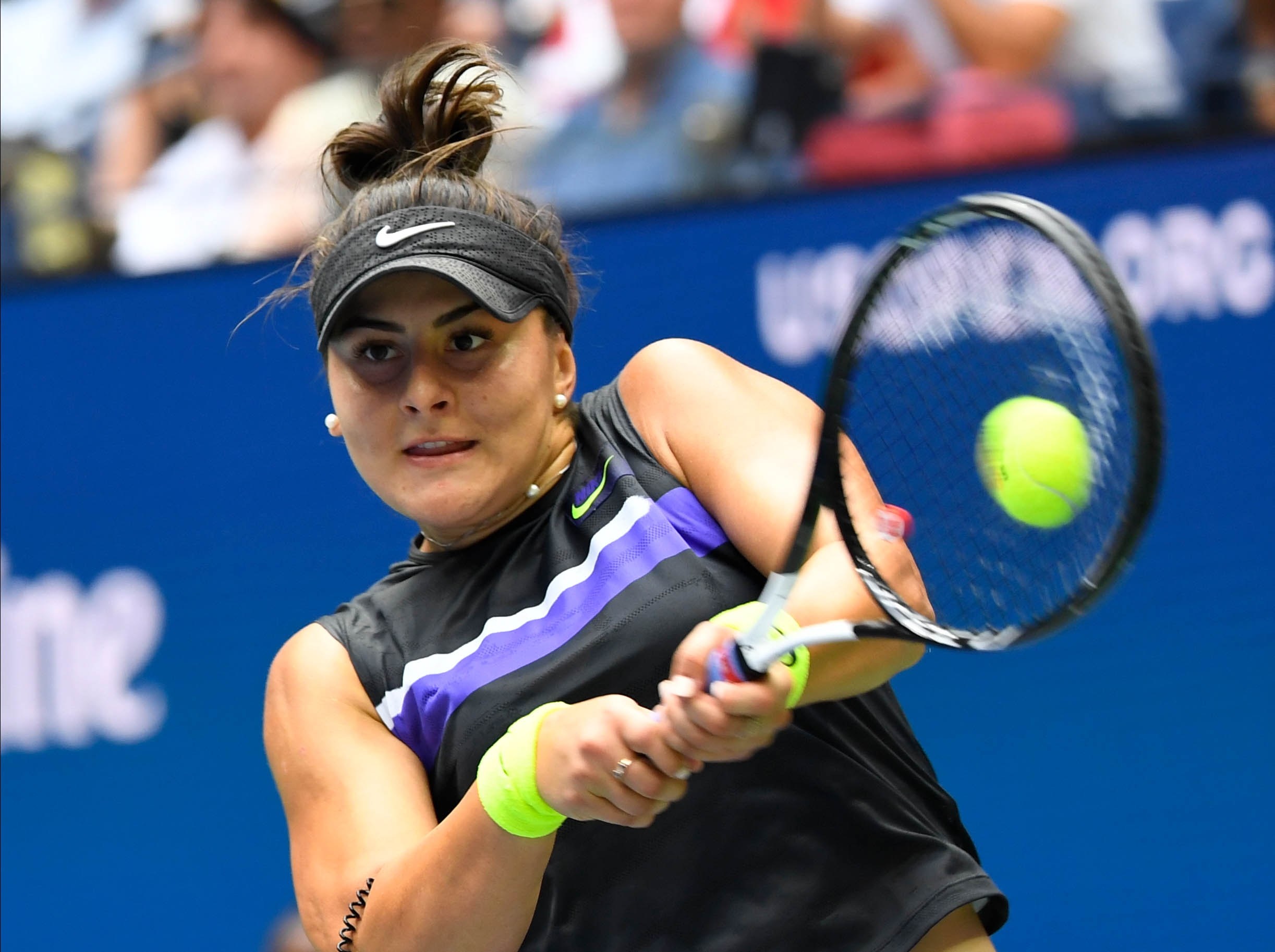

This year I have had more friends and clients tell me that they don’t believe in New Years resolutions for different reasons. In certain respects I understand where they are coming from. It made me ponder the idea of differentiating how we deal with overcoming long-term weaknesses from a faith perspective versus a secular athletic perspective. There are many similarities, yet there are some differences between the athlete model versus the faithful Catholic spiritual model.
- New Year’s resolutions: Part of a high performance (HP) athlete’s program will be to complete an annual plan at the beginning of the year. This will include goals that are competitive, technical, physical, and mental. There will likely be benchmarks at certain times of the year when these are analyzed. In our spiritual life our efforts at improvement are done more on a daily basis. The damage done by sin is too high to go any length of time without renewing the fight. Every day we should be doing an examination of conscience, asking for forgiveness (attending confession regularly), and then renewing our commitment to love the Lord Jesus more perfectly. Each day we are given the opportunity to begin again.
- Frequency of daily efforts: Assuming the athlete trains a certain amount every day, it will be those few hours where the structured, concerted effort goes into improvement. For Catholics we need to be living with a presence of God at all times of the day. With prayer (mental and vocal), aspirations, mortifications, and spiritual reading our actions should reflect our divine filiation
- Need for a coach: As humans we can all improve; we don’t become world champions or saints simply by instinct. In this area are many similarities. Top athletes have a coach/trainer who plans out and oversees the practice sessions and pre-match warm ups. The coach has the best idea of where the player’s strengths and weaknesses are and where training needs to be focused. As men and women of faith it is best that we have spiritual direction. It is vital that someone other than ourselves can objectively steer us on the best path moving forward. It is unwise to count only on yourself. Like the sports coach, the spiritual director needs to get to know you. Of course we may not always be able to immediately find a good director, so in these cases the Holy Spirit is always directing us. However we must listen in mental prayer and adoration.
- Desire to improve: Naturally in both cases we must want to overcome our long term weaknesses, our dominant defect. In tennis, players will go through stages in which they avoid hitting a ball on their weaker shot even in practice. The problem is that it is inevitable that you will have to hit that shot in matches so avoidance in a developmental way hurts the athlete. They need to be reminded that repetition is important to improvement, so they must want that shot. In regard to our sinfulness, however, avoidance is a very good thing. Stay away from temptations at all costs.
- Use of cue words: In sports, when needing to confront that weakness we teach the idea of filling your head with cue words that are simple and process oriented, such as “move,” “follow through,” or “reach.” If we face a temptation, our words become aspirations or prayers (“be with me Lord,” “Come Holy Spirit”). In both cases we will never be perfect; it is about getting better and growing closer to God. The pursuit of perfection seems on the surface to be a good thing but we sometimes want perfection for the wrong reason – so that we don’t need God anymore, thinking we can do it ourselves. This is not a good idea. A priest friend of mine once suggested that I try for 1 per cent improvement every day.
- Commonly needed qualities: In athletic endeavours and in our search for sanctity and holiness we need certain traits such as patience, since the process takes time. Along with patience comes the virtue of persistence to keep battling always. Trust in God or in your coach is crucial. Humility goes along with trust and is needed since we are putting our life, our future, in God’s or our coach’s hands. In both cases we need to acknowledge that we are fragile and weak and need help.
- Differences at the very end: Every one of us needs to battle long-term weaknesses, and it is important to see the positives within the battle. Former world #1 ranked tennis player Mats Wilander once said how much more he enjoyed the journey to the top than when he was actually at the top. This is a good approach, because after reaching the top you will likely drop in ranking sooner than later, at least when it comes to the end of a career. Conversely, when we reach the end in our spiritual life we have heaven waiting for us forever.
Click here to send us a letter to the editor about this or any other article.







