

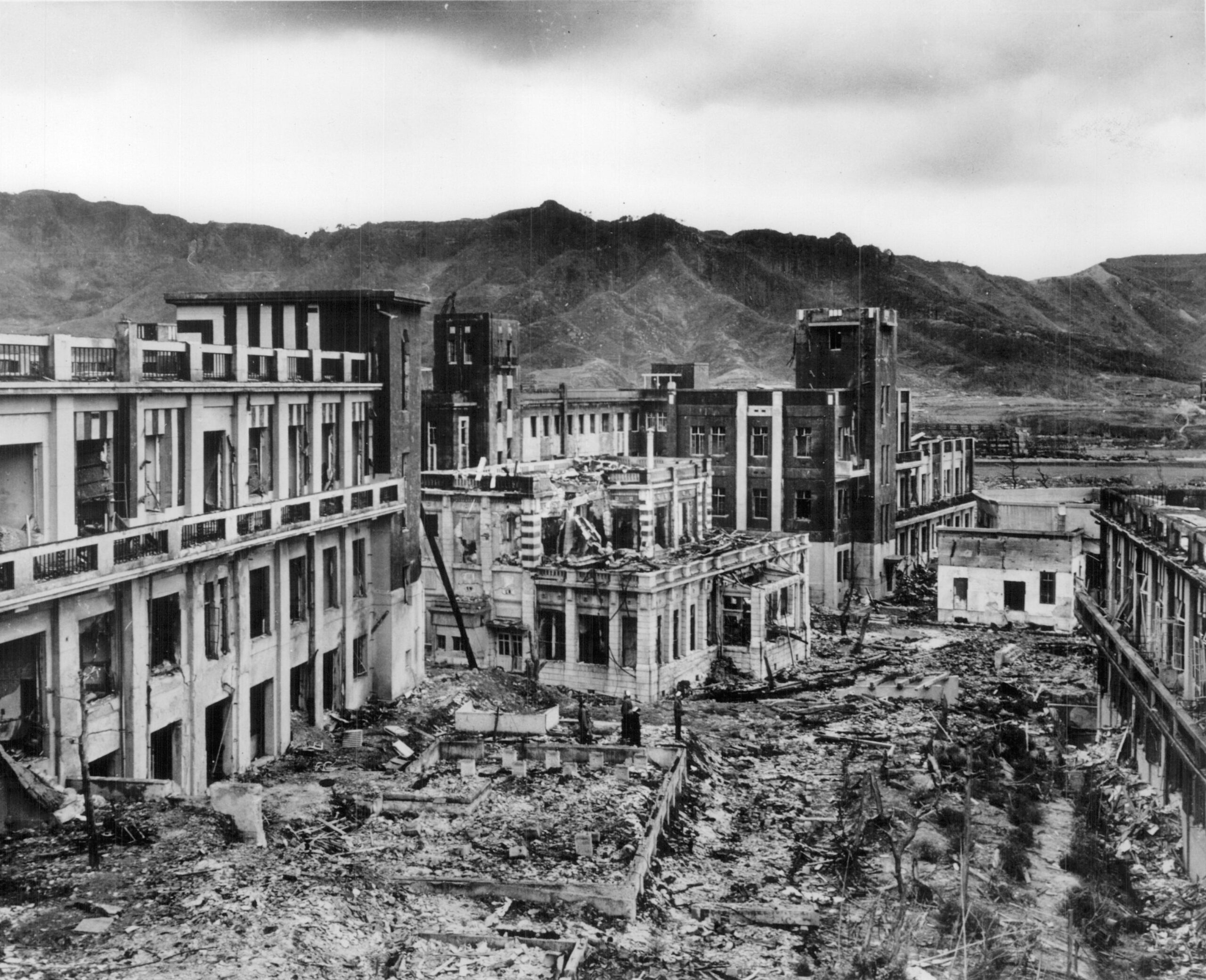

A Japanese saying describes the difference between the two cities devastated by atomic bombs in 1945: “Hiroshima rages, Nagasaki prays.” One reason for this difference between the two cities is a Catholic radiologist, Takashi Nagai (1908-1951).
Takashi Nagai was born to a Shinto family. While in adolescence he considered himself an atheist and scientific materialist. However, at his mother’s deathbed, Nagai was convinced of the reality of the human soul and its existence even after death. Nagai greatly admired Blaise Pascal. The reading of Pascal’s Pensées convinced him to try prayer as an experiment.
As a young medical student, Nagai went to Nagasaki for studies. Nagasaki contained the only significant Catholic population in all of Japan. Nagai took lodgings with the Catholic Moriyama family. The couple and their daughter Midori prayed for Nagai’s conversion.
When Japan invaded Manchuria, Nagai was drafted as an army medic and Midori promised to pray for him every day. Midori wrote to Nagai and sent him a little catechism. He read it and after returning to Nagasaki he studied Scripture and liturgy. He reflected on the contrast between the brutal military grind of the invasion and the joy and peace he saw in Midori. He was finally convinced when he turned to the writings of Pascal and read, “There is sufficient light for those who want to see, and sufficient darkness for those who don’t.” In June 1934, Nagai was baptized and two months later he and Midori got married.
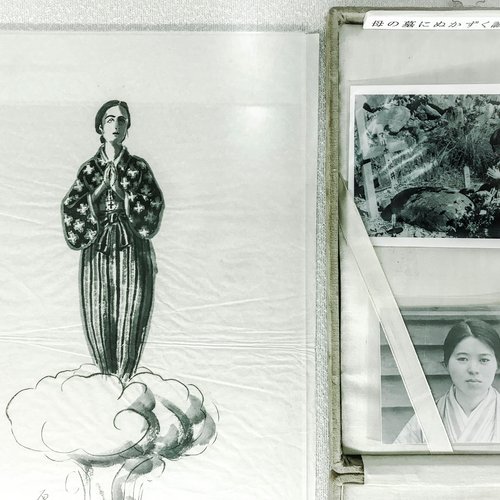
Nagai divided his time between his family and the hospital. In 1945 Nagai was diagnosed with chronic leukemia, which was brought on by his work in radiology. Nagai was given three years to live. When Nagai broke the news to Midori, she took some time to weep before the crucifix and then said to her husband, “We said before we were married that if our lives are spent for the glory of God, then life and death are beautiful.”
Nagai was expecting to accept death with Midori by his side. However, on the awful day of Aug. 9, 1945, everything changed.
The atomic bomb that was dropped on Nagasaki hit only a few hundred yards from the hospital where Nagai was working. Nagai rushed into the street and led the effort to pull people from the rubble and nurse the wounded. When Nagai arrived home, he found the house destroyed. He found the bones and ashes of Midori. However, Nagai could tell that at the moment of the atomic explosion, Midori had been praying the Rosary. Nagai was grateful that Midori had died praying. Their two children had been evacuated to the country unharmed.
After the bombing, Nagai’s health condition was deteriorating. When his parish priest urged him to take better care of his health, Nagai responded, “Thank you, Father, but if it’s for the glory of God, living and dying are just the same.” Still, he hoped to delay the day his children were orphaned. Therefore, when he was close to death, Nagai prayed to St. Maximilian Kolbe. Soon Nagai’s cancer was in remission.
On Nov. 23, 1945, during a mass funeral service in the ruins of Nagasaki’s cathedral, Nagai shared the view that the bombing was the last act of war and claimed that fighting did not take place after it. There is a deep connection between the destruction of Nagasaki and the end of the war. Historian Chad Diehl summarized the view of Nagai: “The Church of Urakami [an area in the northern part of Nagasaki] was placed on the altar of sacrifice as atonement for the sin of humankind, which was the world war. It was chosen as a pure lamb, slaughtered and burned.”
Despite his suffering and bedridden with cancer, Nagai continued to live a life of joy and brought hope to others through his writings. He wrote, “As soon as I wake up, the first thought that occurs to me every morning is that I am happy. Beating within my chest is a child’s heart. The life of a new day awaits me.”
Meg Hunter-Kilmer wrote, “Those who suffer will find in Takashi Nagai a witness to the power of suffering to sanctify. Those who struggle to forgive will similarly find an intercessor who taught his people to offer mercy in the face of an unspeakable horror.”
To comment send us a letter to the editor here.
高志幫長崎祈禱
日本一諺語形容兩個城市在1945年被原子彈摧毀城市的分别:『廣島憤怒,長崎祈禱。』兩分别原因之一是一位天主教的放射性研究員,高志長井(1908—1951)。
高志長井生於神道家庭。青年時的他認為自己是位無神論者,科學的唯物主義者。可是在他母親臨終的病榻旁高志確信靈魂在人死後也仍然存在。高志十分欣賞巴斯卡帕斯卡。閲讀了帕斯卡的著作使他以開始祈禱作為一個實驗。
作為一位年輕的醫科學生,高志到長崎修讀。長崎是全日本唯一重要的天主教人口。在一個天主教的森山家庭居住。這對夫婦和他們的女兒蜜多為他的皈依祈禱。
當日本侵佔滿洲時,高志服役為醫療軍。蜜多承諾每天為他祈禱。蜜多給他寫信,也送他天主教要理書。他閱讀這天主教要理,在返回長崎後,他研讀聖經和禮儀。他回想軍事入侵的暴戾和他在蜜多所見的喜樂,平安的分别。當他再回到帕斯卡的著作閱讀時,他最終被説服了:『有足夠的光給想看的人,有足夠的黑暗給不想看的人。』在1934年6月,高志領洗入教,兩月後,他跟蜜多結婚。
高志把他的時間攤分給家庭和醫院。在1945年,高志被診斷患慢性白血病,這是由他的放射性工作而來。高志僅有三年的生命。他告知蜜多後,她在苦像前飲泣,然後對她丈夫説:『我們結婚前說過,如果我們的生命是為了天主的光榮而度過的,那麼生與死都是美麗的。』
高志期望接納死亡時蜜多可以在他身旁。可是,在1945年一惡劣的日子裡,一切都改變了。
一原子彈於8月9日投下長崎,落在高志正在工作的醫院幾百碼之外。高志衝到街上,帶領搶救工作,從瓦礫中拉出傷亡,護理傷者。當高志回到家中,他見家園盡毁。他見蜜多的屍骨和灰燼。高志知道在原子彈爆炸的時刻蜜多在誦念玫瑰經。高志感恩,因為蜜多死的時候她正在祈禱。他們兩個孩子安全撒離未被傷害。
在爆炸後高志的健康不斷衰退。他的堂區司鐸叫他多保重身體,高志回應說:『多謝神父,如果是為光榮天主,生和死都是一樣。』可是他希望遲一點才讓孩子們變成孤兒。所以在他接近死亡的時候,他向聖高比祈禱。不久高志的癌症得以緩和。
1945年11月23日,在長崎主教座堂廢墟的一個彌撒殯葬禮儀中,高志分享他對的觀點,原子彈爆炸是戰爭最後的行動,並宣稱此後爭鬥再不要發生。歴史學家乍得迪爾總結高志的觀點:『浦上的教會被放置在祭壇上,作為人類罪惡(世界大戰)的贖罪祭。 它被選為純潔的羔羊,被牢殺和焚燒。』
雖然他為癌症折騰,卧床不起,高志繼續生活於喜悦的生命中並藉著他的著作中,為他人帶來希望。他寫道:『當我每朝剛睡醒的時候,第一個湧來的思潮是我是快樂的。我胸中搏動著小孩的心。新一天的生命在等待著我。』
梅格·亨特-基爾默寫道:『那些受苦的人會在高志長井身上找到受苦使人成聖的力量的見證。 那些掙扎寬恕的人同樣會找到一位代禱者,他教導他的人民在面對無法形容的恐怖時提供憐憫。』







