


St. John wrote “Everyone who believes that Jesus is the Christ has been born of God, and everyone who loves the Father loves whoever has been born of him. By this we know that we love the children of God, when we love God and obey his commandments.” (1 Jn 5:1-2)
Living faith and love are inseparable. St. Caesarius of Arles said, “John immediately joined love to faith, because without love faith is useless.” And St. Augustine said, “To love the children of God is to love the Son of God; to love the Son of God is to love the Father. Nobody can love the Father without loving the Son, and anyone who loves the Son will love the other children as well.”
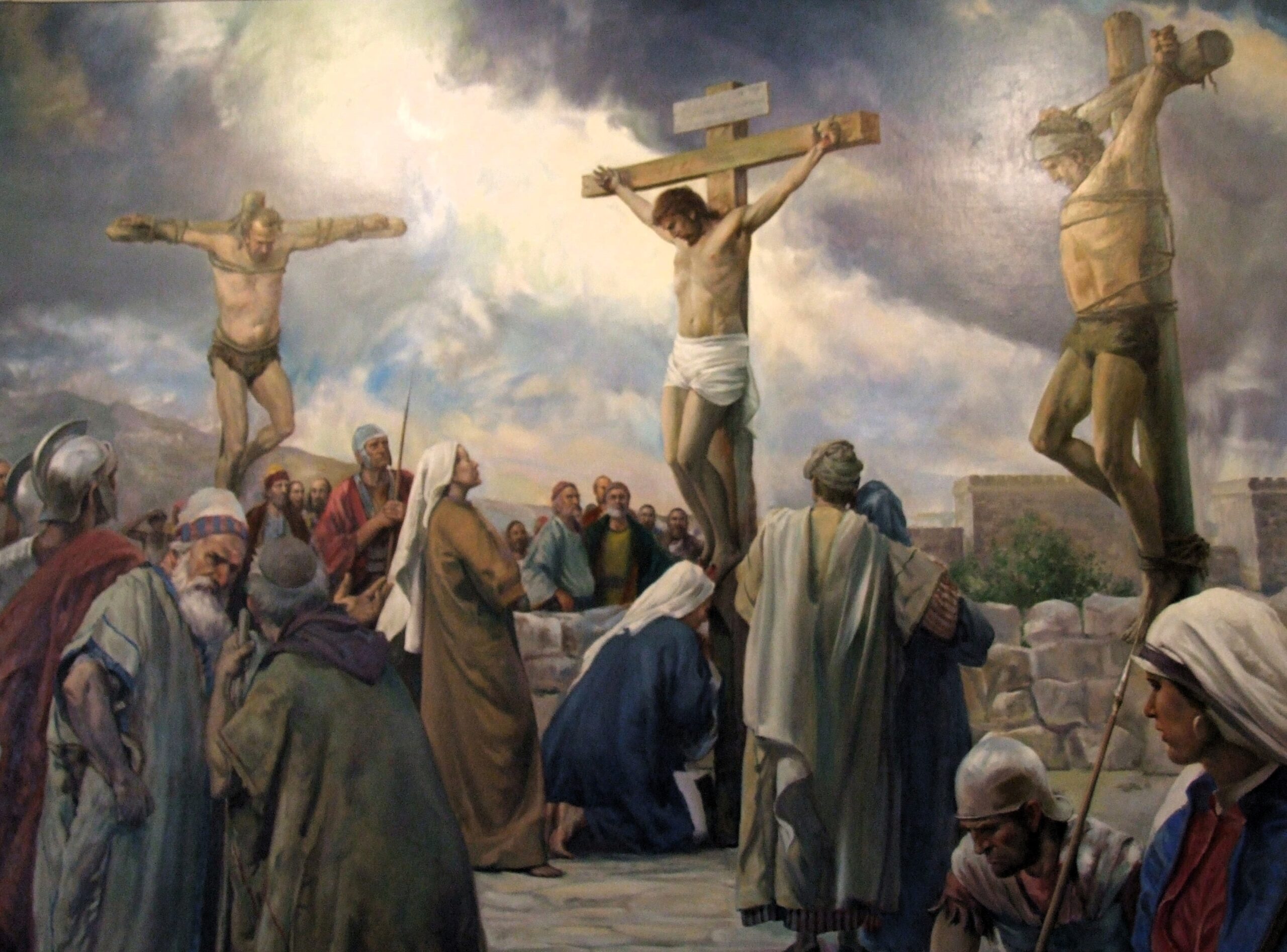
Regarding the testimony concerning the Son of God St. John wrote, “This is he who came by water and blood – Jesus Christ; not by the water only but by the water and the blood. And the Spirit is the one who testifies, because the Spirit is the truth. For there are three that testify: the Spirit and the water and the blood; and these three agree.” (1 Jn 5:6-8)
Pope Benedict XVI, in his book Jesus of Nazareth, wrote, “What does the author mean by this insistence that Jesus came not with water only but also with blood? We may assume that he is alluding to a tendency to place all the emphasis on Jesus’ baptism while setting the Cross aside. And this probably also meant that only the word, the doctrine, the message was held to be important, but not “the flesh,” the living body of Christ that bled on the Cross; it probably meant an attempt to create a Christianity of thoughts and ideas, divorced from the reality of the flesh – sacrifice and sacrament.
In this double outpouring of blood and water, the Fathers saw an image of the two fundamental sacraments – Eucharist and baptism – which spring forth from the Lord’s pierced side, from his heart. This is the new outpouring that creates the Church and renews mankind. Moreover, the opened side of the Lord asleep on the Cross prompted the Fathers to point to the creation of Eve from the side of the sleeping Adam, and so in this outpouring of the sacraments they also recognized the birth of the Church: the creation of the new woman from the side of the new Adam.”
In fact, St. Augustine preached: “What was it that flowed from Jesus’ side if not the sacrament which believers receive? The Spirit, the blood and the water – the Spirit which he gave up, the blood and water which flowed from his side. The church is signified as being born from this blood and water.”
The sixth-century Oecumenius said, “The water stands for his baptism, when Jesus was revealed as the Son of God. The blood, of course, stands for his crucifixion, when he prayed that the Father would glorify him and a voice answered from heaven: ‘I have glorified and I will glorify.’”
Regarding prayer, St. John wrote, “And this is the confidence that we have toward him, that if we ask anything according to his will he hears us. And if we know that he hears us in whatever we ask, we know that we have the requests that we have asked of him.” (1 Jn 5:14-15)
Oecumenius said, “What this means is that if we ask according to his will, he hears us, and if he hears us in everything that we ask of him, we know that we are praying according to his will.”
The Catholic Commentary on Sacred Scripture states: “We can be assured that God will hear our prayers and provide for us, but we are not guaranteed that every prayer will be fulfilled just as we desire it to be. This is why we need to strive to pray according to God’s will. The more we are in union with him, the more our desires will be conformed to his, and the more we will pray in accord with his will. In the end, our confidence is not in our perfect knowledge of how to pray (see Rom 8:26) but in our Father’s providential care for us.”
Share your thoughts and contribute to the ongoing conversation by sending us a Letter to the Editor.
血和水代表基本的聖事
聖若望寫道:「凡信耶穌為默西亞的,是由天主所生的;凡愛生祂之父的,也必愛那由祂所生的。幾時我們愛天主,又遵行祂的誡命,由此知道我們真愛天主的子女。 」(若一5:1-2)
活的信仰和愛是不能分開的,亞爾勒的凱撒略說:「若望立即將愛與信仰結合在一起,因為沒有愛,信仰是沒有用的。」同樣聖奧斯定說:「愛天主的子女就是愛天主的聖子;愛天主的聖子就是愛天父。沒有人能不愛子就愛父,任何愛子的人也會愛其他孩子。」
關於天主的聖子的見證,聖若望寫道:「誰是得勝世界的呢?不是那信耶穌為天主子的人嗎? 這位就是經過水及血而來的耶穌基督,祂不但以水,而且也是以水及血而來的;並且有聖神作證,因為聖神是真理。 原來作證的有三個: 就是聖神,水及血,而這三個是一致的」(若一5.6-8)
本篤十六世在他的《納匝肋人耶穌》一書中寫道:「作者堅持認為耶穌不僅帶著水來,而且帶著血來,這是什麼意思?我們可以假設他暗示了一種傾向,即把所有的重點都放在耶穌的洗禮上,而把十字架放在一邊。這可能也意味著只有話語、教義、信息被認為是重要的,而不是「肉體」- 在十字架上流血的基督的活體;這可能意味著試圖創造一個基督徒的思想和觀念,脫離肉體的現實 — 祭獻和聖事。
在這血和水的雙重澆灌中,教父們看到了兩個基本聖事的形象 — 聖體聖事和聖洗 — 從主被刺穿的一側,從祂的心中湧出。這是創造教會和更新人類的新湧現。此外,在十字架上睡著的主被刺傷的一側促使教父們指出厄娃從睡著亞當的肋骨創造出來,因此在聖事的澆灌中,他們也承認了教會的誕生:從新亞當的一側創造新女人。」
事實上,聖奧斯定講道:「如果不是信徒所領受的聖體,從耶穌身邊流出的是什麼?聖神、血和水 — 祂噓出的聖神,從祂身邊流出的血和水。象徵教會從這血和水中誕生。」
六世紀的俄厄庫美紐(Oecumenius)說:「水代表祂的洗禮,當耶穌被啟示為天主的聖子時。當然,血代表祂被釘十字架,當祂向天父祈禱光榮祂時,一個聲音從天上回答:『我已光榮了祢,並且我將會光榮祢。』」
有關這祈禱,聖若望寫道:「我 們 若 照 祂的 旨 意 求 甚 麼 , 祂 就 聽 我 們 , 這 是 我 們 向 祂 所 存 坦 然 無 懼 的 心 。既 然 知 道 祂聽 我 們 一 切 所 求 的 , 就 知 道 我 們 所 求 於 祂的 , 無 不 得 著 。」(若一5:14-15)
俄厄庫美紐說:「這意味著,如果我們按照祂的旨意祈求,祂就會聽見我們,如果祂聽見我們向祂求的一切,我們就知道我們是按照祂的旨意祈禱。」
《天主教聖經註釋》書中寫道:「我們可以確信,天主會垂聽我們的祈禱並供應我們,但我們不能保證每一次祈禱都會如我們所願實現。這就是為什麼我們需要努力按照天主的旨意禱告。我們越是與祂結合,我們的願望就越符合祂的旨意,我們就越會按照祂的旨意祈禱。歸根結底,我們的信心不在於我們完全知道如何祈禱(見羅馬書8:26),而在於天父怎樣照顧我們。」
Share your thoughts and contribute to the ongoing conversation by sending us a Letter to the Editor.







