

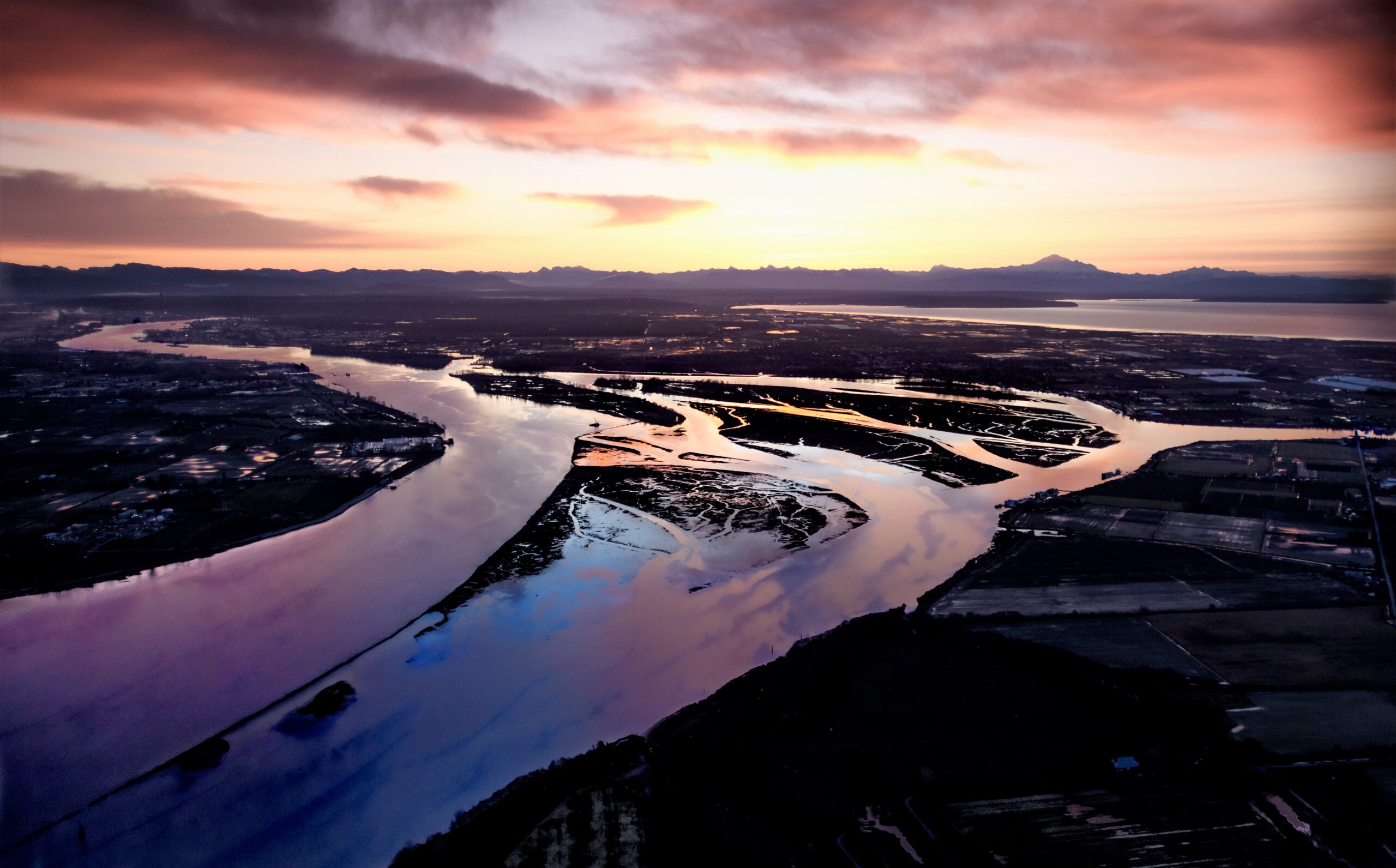

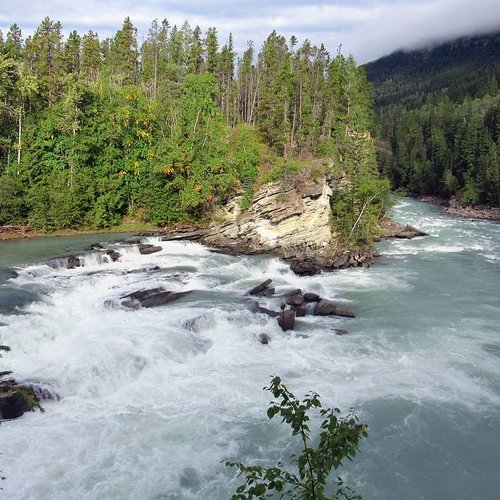
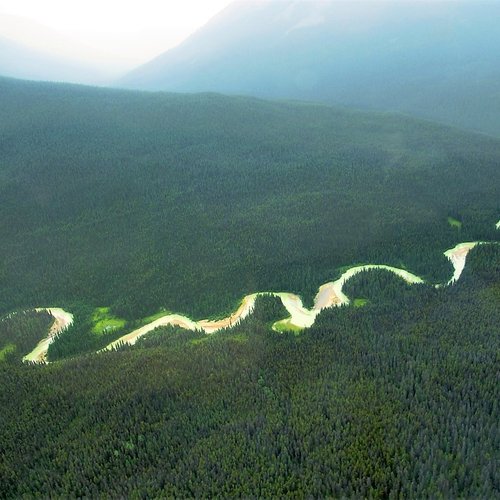
When a drop of water falls on the western slopes of the Rockies, it begins as a single drop. As it glances off the limbs of majestic spruces and firs and falls to the ground, it joins other drops and forms a stream. Together, those little droplets and streams form a mighty river that makes its way to the sea.
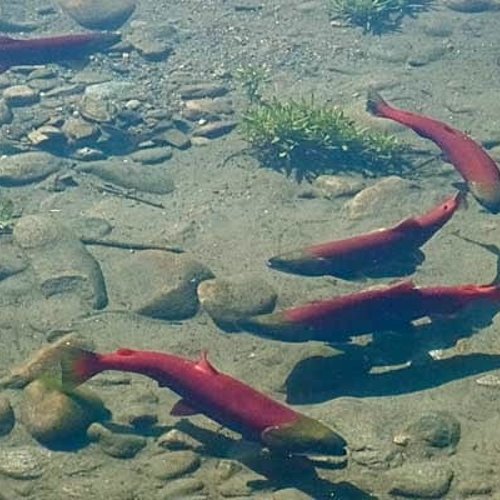
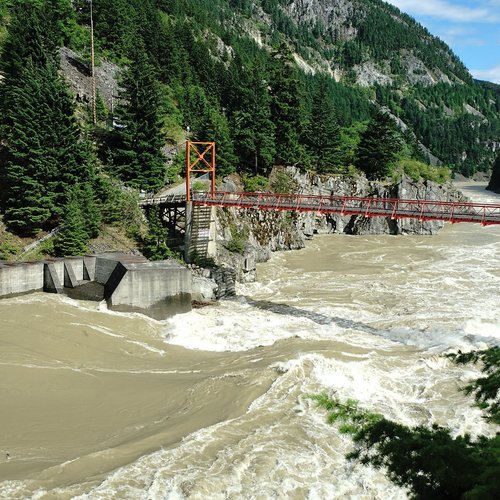
The river’s silty waters serve as a conduit for life. Chum and pink salmon make their beds in its broad gravel reaches. Ancient white sturgeon navigate its muddy depths. Coho, chinook, and sockeye fight their way through the frothing waters of the Fraser Canyon to the spawning grounds of the Interior.
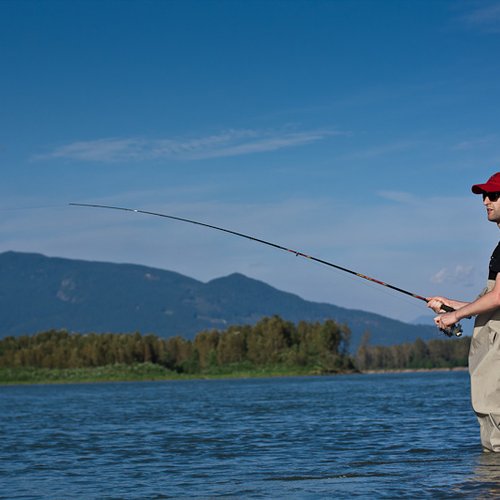
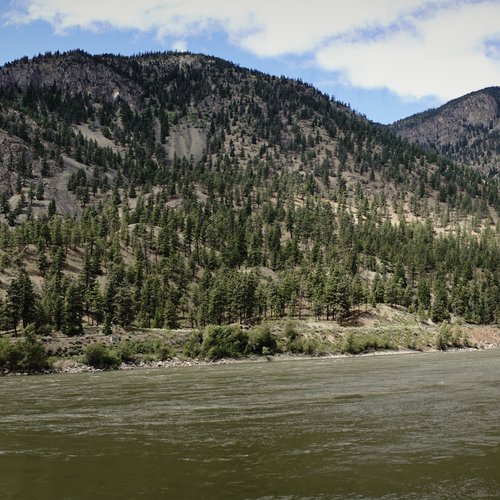
The gravel reach of the Fraser River between Mission and Hope is known as the Heart of the Fraser. It is the most biologically productive stretch of the entire river. Its extensive gravel bars, braided stream channels, and forested floodplain provide critical spawning and rearing habitat for Pacific salmon and many other species.
The Stó:lō people, the People of the River, have called this stretch of river home since time immemorial. The river, and the multiplicity of life forms found within it, are inseparable from Stó:lō history and culture.
I have never been to the Jordan River in the Holy Land, but when I imagine Christ being baptized in the Jordan, the image that comes to mind is the mighty river that flows through our own land, the Fraser.
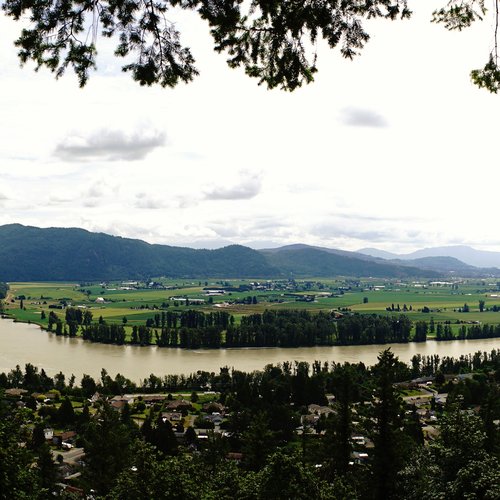
The baptism administered by John in the Jordan was a baptism for the forgiveness of sins. It was a baptism for the healing of the ruptured relationships that exist between human beings and God. In the Gospels, the evangelists write of people coming from all Judea to seek this baptism of healing.
For me, the Heart of the Fraser has been the place of my own pilgrimage of healing. Deep memories are embedded within the gravel bars and glistening waters of the Fraser, where my father used to take me fishing for chinook and sockeye. I lost my father in early 2021 to ALS, and now that he has passed from this world, I feel his presence more closely when I step back out onto the waters that we fished together when I was young.
One of the Gospel stories that resonates most profoundly with me is the appearance of the risen Jesus to his disciples on the Sea of Galilee, as recounted in the Gospel of John. It is understandable that after the events of Jesus’ passion, the disciples would have wished to spend time returning to the primary activity they had known before: fishing.
Around the same time I lost my father, I also experienced a profound crisis of faith and mental health. Amidst the fog and storms that afflict the Church in her pilgrimage through history, I had lost sight of the Lord and felt washed up by the waves. I decided to take up studies in Fish, Wildlife and Recreation at BCIT for precisely the same reasons the disciples would have chosen to return to the Sea of Galilee – to find healing and repose in something deeply familiar. Just as the disciples again encountered the risen Lord on the Sea of Galilee, so did I find him again on the Heart of the Fraser.
In my Applied Ecology class, our fisheries professor showed us a film entitled Heart of the Fraser, telling the story of the river and people who have spent their entire lives protecting it. As I was viewing the film, I thought of the disciples’ lament at their very first meeting with Jesus on the Sea of Galilee. “Teacher, we have worked hard all night, and caught nothing.” The Heart of the Fraser is under severe pressure from human development, and the effort to form a unified approach for environmental protection and responsible development has been painstakingly slow.
Inspired by the stories of the people working to protect the Heart of the Fraser, an intrepid group of classmates and I decided we wanted to be part of the story: not a story of loss, but a story of hope and resilience. This began a journey that I feel had the same kind of gratuitousness and excitement as the disciples’ first steps in following Jesus, a journey that took us all the way from Strawberry Island, a critical habitat site that has been decimated by irresponsible development, to the office of Fin Donnelly, B.C.’s Parliamentary Secretary for Watershed Restoration.
The most powerful and memorable meeting place on this journey was an invitation by an elder of the Sqwá First Nation in Chilliwack to attend the First Salmon Ceremony held by his and neighbouring First Nations. For the People of the River, there exists a sacred bond between the people and the salmon: the salmon give their lives to sustain the people, and it is the responsibility of the people to undertake a work of thanksgiving.
As a sign of this bond, the first salmon of the year is taken from the river, blessed, broken and shared with the entire community as a sign of thanksgiving to the salmon and to the Creator for this enduring gift that sustains the life of the people. As we participated in this heart-moving ceremony in the beautiful log meeting hall at Shxwá:y Village, I could feel its deep current of joy and thanksgiving. The same spirit of joy, community, and thanksgiving that I felt at Shxwá:y Village must motivate our celebration of Eucharist, and our duty to be responsible stewards of the good things of creation that God has given to us.
The Gospel of John begins with the Evangelist’s majestic description of the Word taking flesh, the Word who is close to the Heart of the Father and makes this Heart known to all who encounter him. On the Heart of the Fraser, I believe that I encountered anew this Word made flesh in the faces of the people who have given their lives in service to creation and reconciliation, and thereby in service to the Creator from whose Heart all life-giving waters flow.
On the rivers and streams of our own lives, may we encounter this Heart anew in the people we meet and in the work of thanksgiving that we undertake for the good things that God has given to us.
Joseph McDaniel is a parishioner of Christ the Redeemer in West Vancouver and a member of A Rocha Canada, a Christian environmental organization.
We welcome letters to the editor about articles in The B.C. Catholic.







