


St. Catherine of Siena was born in Siena, Italy, in 1347. She was the youngest of 25 children. As a child, she was attracted to prayer and solitude. She would say the Hail Mary on each step as she climbed the stairs.
Catherine made a private vow of chastity. Her parents wanted Catherine to get married but she resisted their plan. She endured persecution for refusing to marry.
St. Francis de Sales wrote, “When Saint Catherine of Siena was deprived by her parents of any place or time for prayer and meditation, Our Lord inspired her with the thought of making a little interior oratory in her mind, into which she could retire in heart, and so enjoy a holy solitude amid her outward duties. And henceforward, when the world assaulted her, she was able to be indifferent, because, so she said, she could retire within her secret oratory, and find comfort with her heavenly bridegroom. So she counseled her spiritual daughters to make a retirement within their heart, in which to dwell.”
Inspired by a vision of St. Dominic, Catherine became a member of the Third Order of the Dominicans at 16. Pope Benedict XVI commented: “While living at home, she confirmed her vow of virginity made privately when she was still an adolescent and dedicated herself to prayer, penance and works of charity, especially for the benefit of the sick.”
At 19, she experienced Christ placing a ring on her finger. Father Augustine Kalberer wrote, “Soon she was the center of a motley band of men and women of all ages, professions, and classes – including scions of Siena’s principal families – all attracted by the charm of Catherine’s human and supernatural qualities. Gaiety, unconventionality, religious fervor, social involvement, disinterestedness, and loyalty to the church were the characteristics of this ‘club.’ Their concern, she wrote, was to remove hatred from man’s heart and ‘bring him to peace with Christ crucified and with his neighbour.’”
Pope Benedict said, “Many put themselves at Catherine’s service and above all considered it a privilege to receive spiritual guidance from her. They called her ‘mother’ because, as her spiritual children, they drew spiritual nourishment from her.”
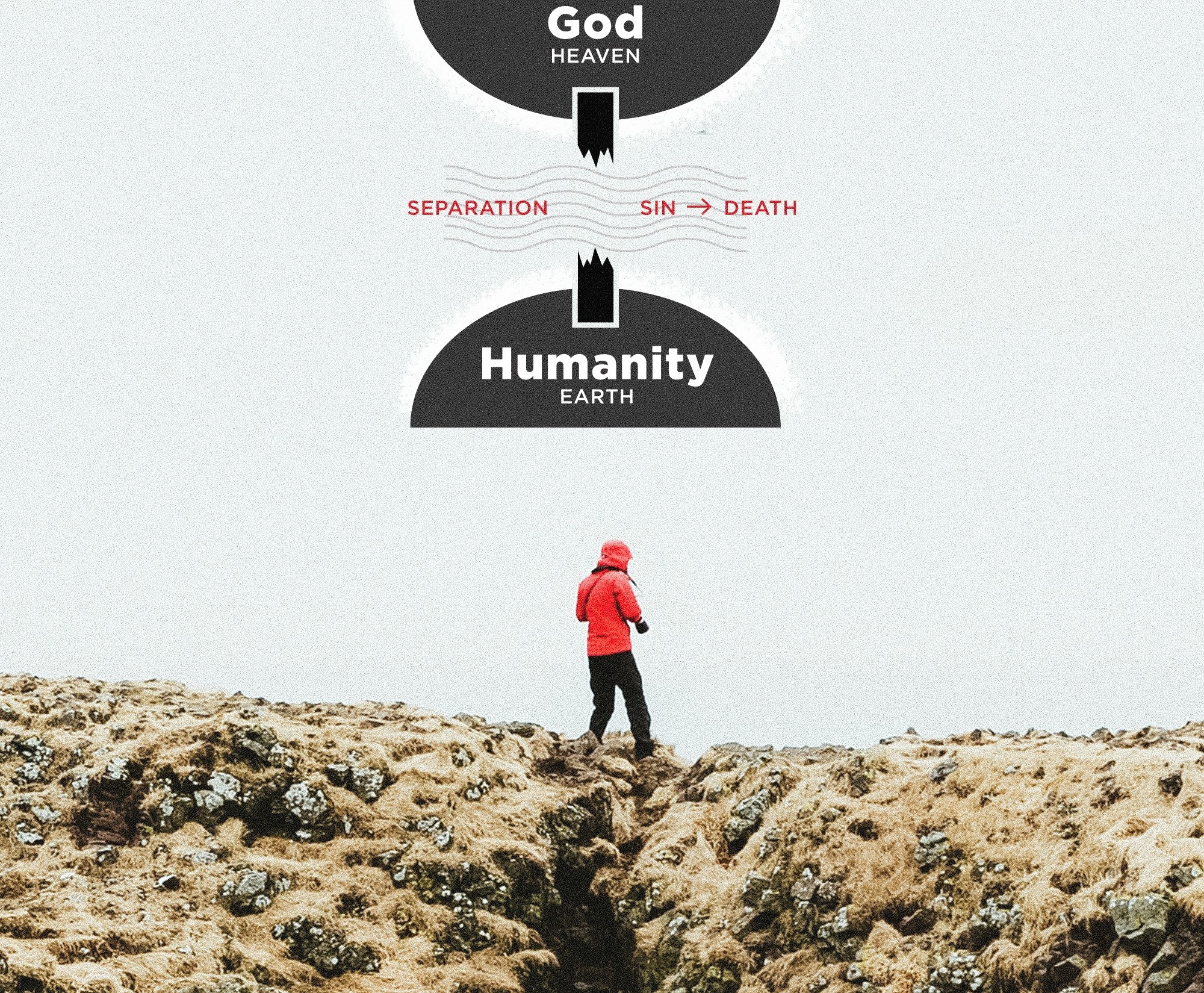
The masterpiece of St. Catherine, the Dialogue, was dictated in ecstasy. Pope Benedict said, “In the Dialogue of Divine Providence, she describes Christ, with an unusual image, as a bridge flung between heaven and earth. This bridge consists of three great stairways constituted by the feet, the side, and the mouth of Jesus. Rising by these stairways the soul passes through the three stages of every path to sanctification: detachment from sin, the practice of the virtues and of love, sweet and loving union with God.”
God the Father told Catherine: “So I gave you a bridge, my Son, so that you could cross over the river, the stormy sea of this darksome life, without being drowned… And how foolish to choose to frown rather than accept the remedy I have given!…And why should he have made of himself as roadway? So that you might in truth come to the same joy as the angels.”
This image of Christ as bridge is an important theme in the Discovery Faith Studies which help participants entering more deeply into the kerygma or first proclamation. Pope Francis describes the kerygma with these words: “Jesus Christ loves you; he gave his life to save you; and now he is living at your side every day to enlighten, strengthen and free you.” (Evangelii Gaudium 164)
Catherine died in 1380 at the age of 33. Her confessor and spiritual son, Blessed Raymond of Capua, wrote a first complete biography of her. Catherine was canonized in 1461. She was declared a Doctor of the Church by Pope St. Paul VI in 1970 and co-patroness of Europe by Pope St. John Paul II in 2000.
We welcome letters to the editor about articles in The B.C. Catholic.
加大肋納將基督描述為橋樑
仙娜的聖加大肋納於1347年出生於義大利仙娜。她是25個孩子中最小的一個。小時候,她被祈禱和獨處所吸引。當她上樓梯時,她會在每一級上唸聖母經。
加大肋納發私人的貞潔的聖愿。她的父母希望加大肋納結婚,但她拒絕了他們的計劃。她因拒絕結婚而遭受迫害。
聖方濟沙雷寫道:『當仙娜的聖加大肋納被她的父母剝奪了在任何地方和時間作祈禱時,我們的主啟發了她的想法,在她的頭腦中做一個內心的小經堂,她可以在心中退下,從而在她的外在職責中享受神聖的獨處。從此以後,當世俗攻擊她時,她能夠無動於衷,因為,所以她說,她可以在她的秘密小經堂中退下,並與她的天上新郎一起找到安慰。因此,她勸告她的屬靈女兒們在她們的心中退下,住在裡面。』
受到聖多明我神視的啟發,加大肋納在十六歲成為道明會三階的成員。教宗本篤十六世說:『住在家裡時,她確認了她在青少年時期私下發下的童貞聖愿,並致力於祈禱、懺悔和慈善工作,特別是為了病人的利益。』
十九歲時,她經歷了基督在她的手指上戴上戒指。奧斯定、卡爾貝勒神父寫道:『很快,她就成了一群不同年齡、職業和階級的男女的中心——包括仙娜主要家族的後代——都被加大肋納的人性和超自然品質的魅力所吸引。歡樂、非常規、宗教熱誠、社會參與、無私和對教會的忠誠是這個「社團」的特徵。她寫道,他們關心的是消除人心中的仇恨,「讓他與被釘十字架的基督和他的鄰居和平相處」。』
教宗本篤寫道:『許多人為加大肋納服務,最重要的是認為從她那裡得到精神指導是一種榮幸。他們稱她為「母親」,因為作為她屬靈的孩子,他們從她那裡汲取屬靈的營養。』
聖加大肋納的傑作,《對話錄》,是在神魂超拔中聽寫。教宗本篤說:『在《對話錄》中,她以不同尋常的形象將基督描述為天堂和世界之間的橋樑。這座橋由耶穌的腳、肋旁和口組成的三個大梯組成。通過這些階梯上升,靈魂會經歷每條成聖之路的三個階段:脫離罪惡,實踐美德和愛,與天主甜蜜和愛的結合。』
天父訴告訴加大肋納:『所以我給了你一座橋,我的兒子,這樣你就可以越過河流,這個黑暗生活暴風雨的大海,而不會被淹死…選擇愁眉苦臉而不是接受我給出的補救措施是多麼愚蠢!…為什麼祂要把自己當成道路?這樣你就可以真正地得到與天使一樣的喜樂。』
基督作為橋樑的形象是信仰研究發現的一個重要主題,它幫助參與者更深入地進入教理訓誨的第一個宣言:『耶穌基督愛你;祂獻出了自己的生命來拯救你;現在祂每天活在你身邊,啟發你,加強你,釋放你。』(願袮受讚頌 164)
加大肋納於1380年去世,享年33歲。她的告解神父、屬靈的兒子,卡普阿的真福雷蒙德,為她寫了第一本完整的傳記。加大肋納於1461年被封為聖徒人。她於1970年被教宗聖保祿六世宣佈為教會聖師,並於2000年被教宗聖若望保祿二世宣佈為歐洲其中一位主保聖人。
We welcome letters to the editor about articles in The B.C. Catholic.







