

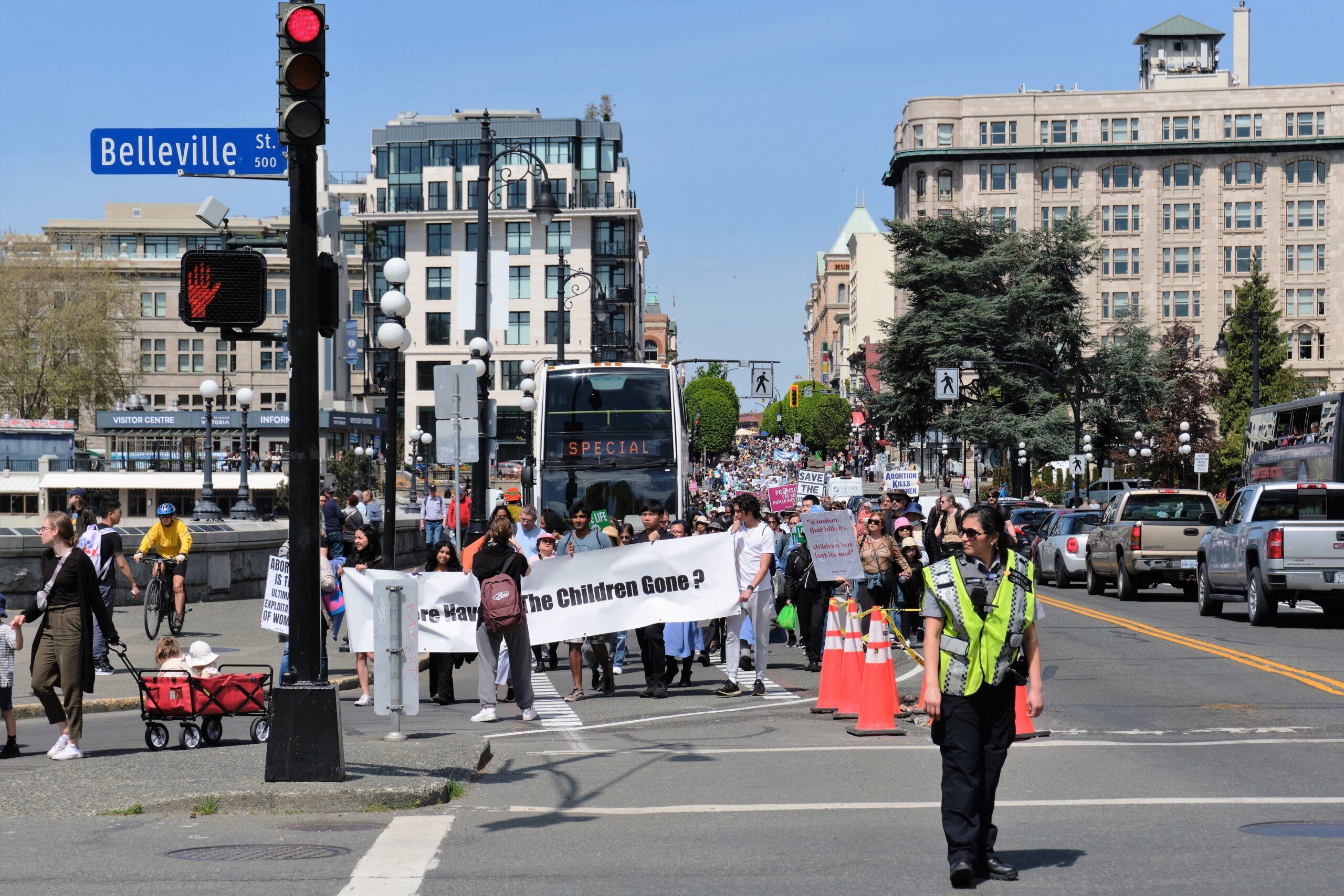

It’s tempting when talking about an event like the March for Life to focus on numbers – the number of people who showed up, how many spectators made rude comments, or the number of babies saved. And this makes sense: the more babies saved the better, and a large crowd at a political demonstration is better than a small one.
Numbers are comfortable, and in a world being torn apart by polarization they offer essential tools for argument and debate.
But numbers also come with a downside. At best, they help us organize the world and make it easier to examine; but at worst, they hide the individuals in the crowd and convince us that real change only happens when total numbers increase or fall.
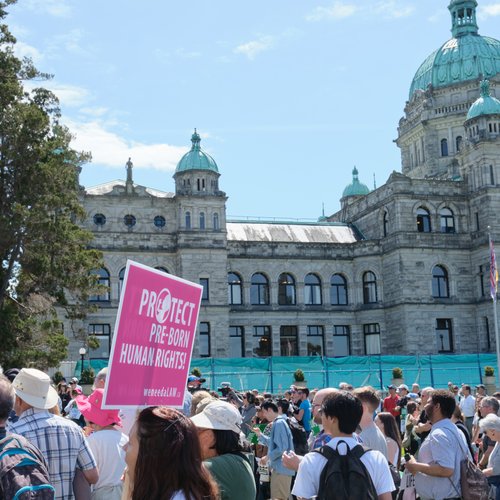
Numbers are good tools, but if there is one lesson learned from the pro-life movement writ large, it’s that intangibles like love, connection, and hope are of infinitely greater importance to the success or failure of the movement.
Listening to the disapproval coming from sidewalk spectators this year showed me that no statistic will change some hearts. Many have never known anything but the pro-choice position, and their anger is rooted in fundamental misconceptions about what pro-life people believe and do.
This year’s march left me wondering how to balance the pro-life approach. Turning out a large crowd is obviously important because so much of the hold abortion and euthanasia have on our society comes from their hiddenness. A large public procession forces people to acknowledge these issues even exist.
But the march itself is not change.
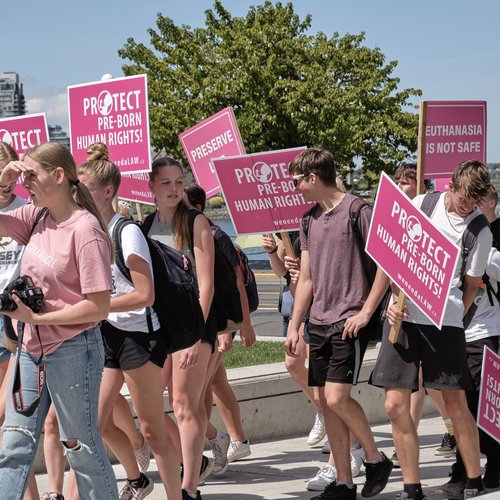
This isn’t intended as criticism of the event, or of the people who participated, but is rather a recognition that we sometimes get trapped in the great lie of liberalism that says large groups of people equal change. In reality, and our faith affirms this, real change only occurs through individual encounters of love and grace.
As Catholics we understand this intuitively through our veneration of saints. After all, there never needed to be a thousand St. Francis of Assisis. One was enough for the grace of God to work in the world, and all St. Francis had to do was say yes.
During his speech, Jonathan Van Maren described seeing an aborted child for the first time. His story cut past the Freakonomics misleads, straw-manning, and ad hominem attacks and got to the heart of the issue – the individual human person at the centre of it all.
Our truth isn’t found in the magnitude of a fact or figure, because human value can’t be counted. It comes from the dignity of being made in the image and likeness of God, and from each individual witness of love and compassion.
Listening to people talk about march attendance made me wonder if the numbers can distract from the one-on-one encounters that fuel change in the pro-life movement. Each person is more important than the total.
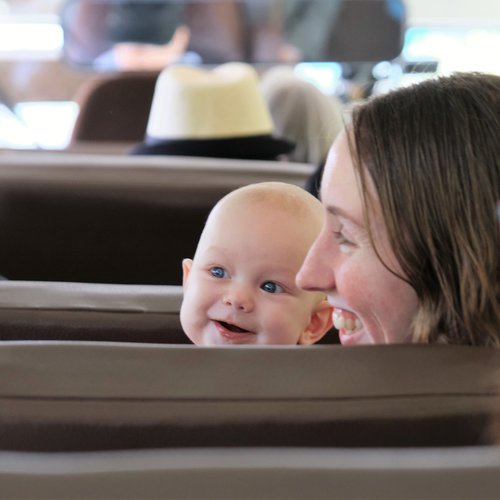
Last year’s low turnout at the March for Life distracted me from the individual value of each demonstrator. This year’s event made me conscious of the comfort I felt being surrounded by people who believed the same things I did, and my discomfort at the thought of talking to the angry people we passed on the street.
None of this should undermine the value of political rallies. It should inspire us. Big events are great because they offer pro-life people community and hope while reenergizing us for the work ahead.
But don’t let a large crowd be a distraction from the value of each individual attendee, and the need for us to step outside the crowd and engage with the culture one on one.







