


That which is seen is understood. This shall now be my answer to anyone who asks for an explanation of synodality.
While there are many more things I can say, like synods have been a magisterial tradition since the time of the Apostles, and the Synod Secretariat was relaunched by Pope Paul VI, etc., I know now that anything to be said about synodality without personal experience is merely words.
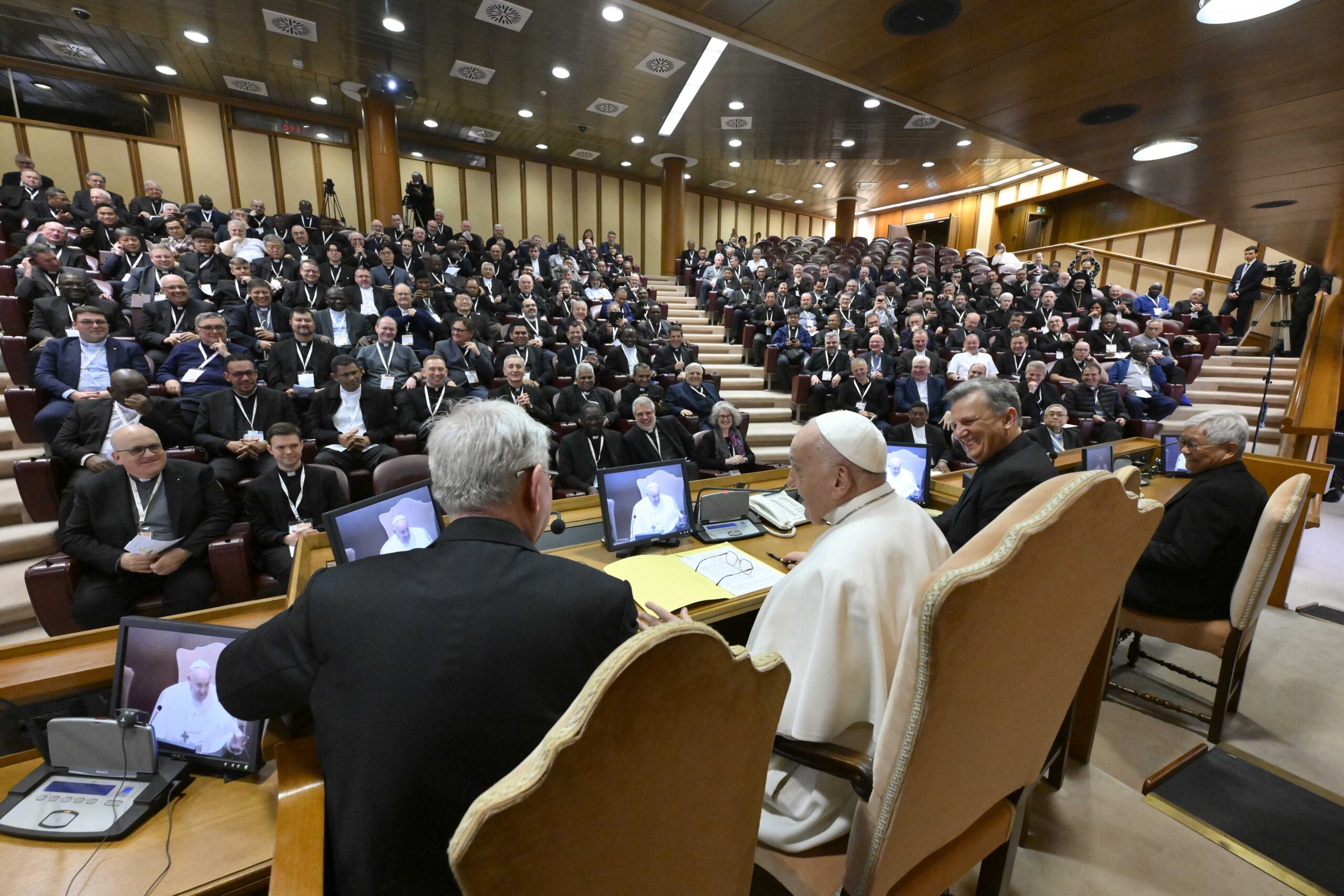
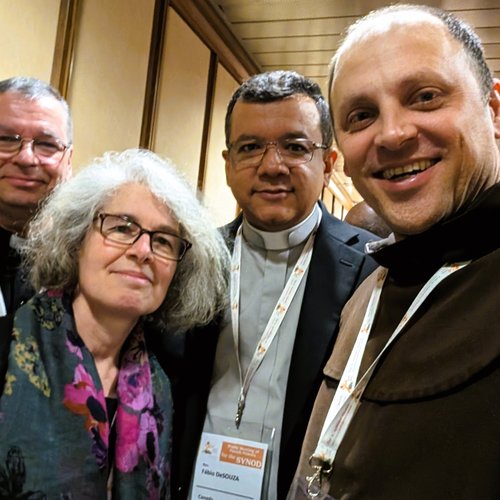
From April 28 to May 2, I was privileged to be one of three priests representing Canada at the Parish Priests for the Synod meeting in Rome. Nearly 200 parish priests from 99 countries gathered to exchange experiences of supporting charisms and witnessing discernment in local churches, dioceses and parishes.
While I was happy to share the good things happening in Vancouver, I was even more pleased to learn all the more what synodality means for the Church universally.
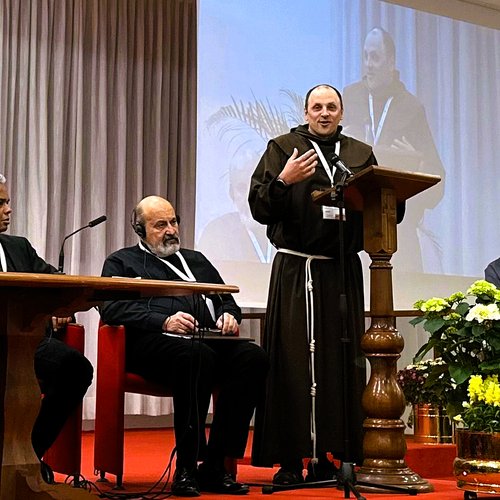
Priests from all over the world were arranged into groups of diverse origins. I was the lone representative of the Americas in a group that included clerics from Africa, Europe, and Asia. After listening to input from theologians, we shared our stories, as well as our hopes and dreams for the Church’s mission to evangelize. Over three days, we grew together in trust and in resolve. Respectful of and attentive to differences, we heard each other and, when it was time to build consensus, we let the Spirit do the talking.
It may all sound superficial, but you have to see it to believe it. Trust between members of the Church is built with time, and the process offered by the Synod on Synodality is called Conversations in the Spirit. Here in the Archdiocese of Vancouver we have been using this method at meetings for priests, principals, and eachers, and recently for a large gathering of pastors and parish leaders. It is a methodology that allows each his or her time to speak, as well as moments of silence to ensure that all is shared in a spirit of prayer.
Spiritual conversations, or the synodal process, is effectively a way to support a diversity of voices for fruitful discernment. One common misconception is to think of it as democracy. That it is not. Synodality, and the process I have learned, is not even about deciding. It is about discerning. If we are faithful to the process, the Holy Spirit does all the deciding.
The story that best represents synodal discernment is perhaps the encounter on the road to Emmaus. On the road, Jesus is faithfully present to despairing souls. Their Lord has been crucified. Where are they to turn?
Jesus pokes the bear, so to speak. He asks questions. Never on this road does Jesus stop to flip or circumvent the process. Never does he give advice. He is attentive and attractive. He gets invited to dinner. Salvation is presented in the breaking of the bread, not in his words.
In the Church, in our parishes and in our archdiocese, we are only beginning to understand the potential of spiritual conversations. Synodality is taking root, little by little. A synodal path is our future.
Toward the end of the priests meeting in Rome, participants were welcomed to an audience with the Holy Father. Pope Francis commissioned me and all others present to be missionaries of synodality, ambassadors of the synodal process. We were sent to share the good news of hearts changed through dialogue, as we saw it happen, through our time together.
The last word from our meeting did not, however, come from the Pope but from Cardinal Mario Grech, General Secretary of the Synod of Bishops. He pointed out how we, when gathered, saw synodality touch flesh. Having seen emotions run high, where sensitivities diverge, we knew exactly what he meant. As challenging as it was to follow the synodal path, to walk as brothers, not one of us had any regrets. All was well worth what we received.
Yes, synodality is hard to explain, but trust me, it’s well worth a look.
Father Ducharme is Pastor of St. Joseph the Worker Parish in Richmond and a member of the Vancouver Archdiocesan Synod Animation Team.







