

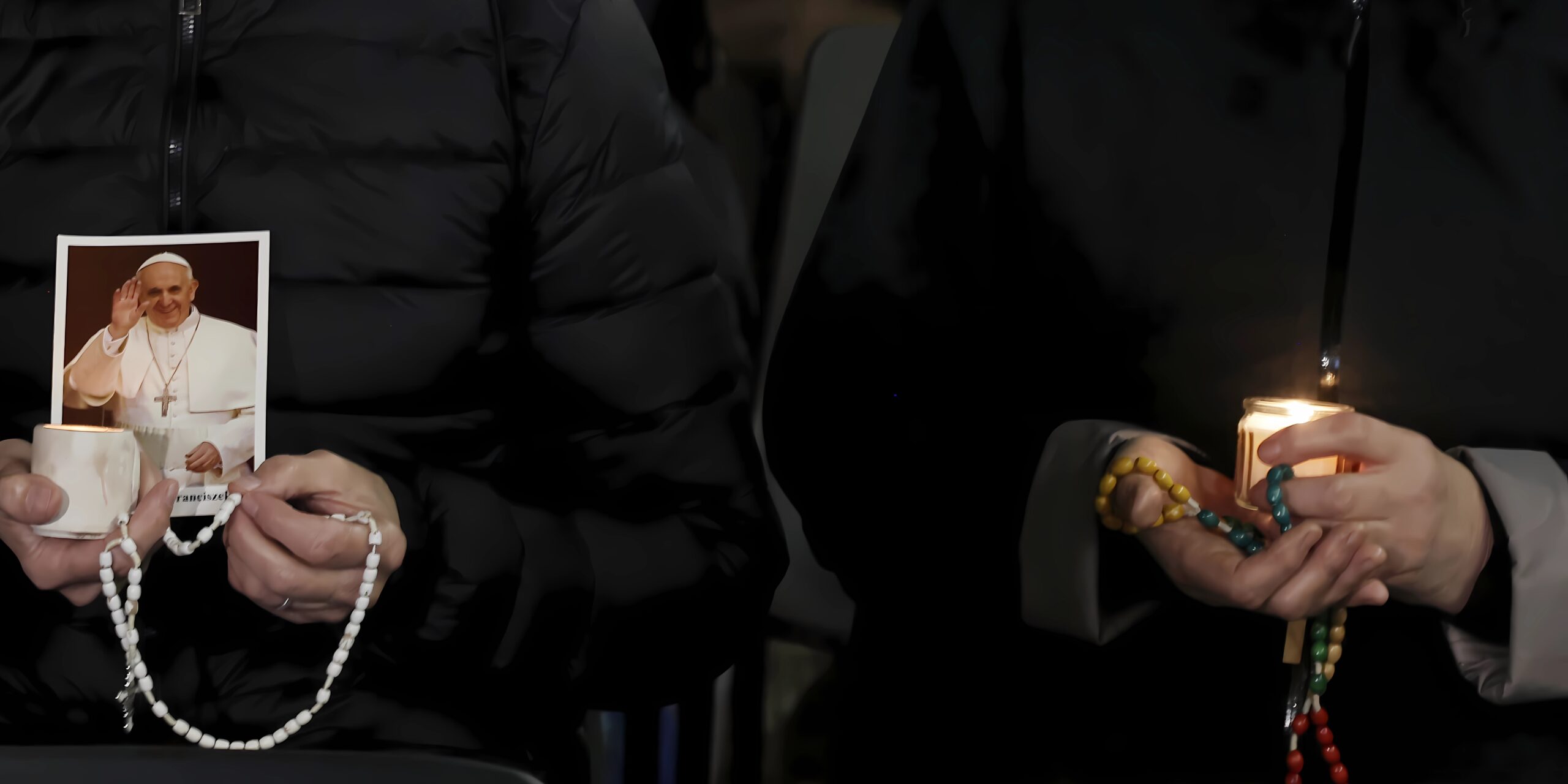

From the Rosary encyclicals promulgated by Pope Leo XIII in 1884 and 1887, we learn about the proper dispositions required for the effectiveness of the Rosary devotion.
Since the enemies of Christianity are so stubborn in their aims, its faithful defenders must pray with a spirit of perseverance. The recalling of the mysteries of salvation helps foster the spirit of piety. Strong faith, penance, and the faithful fulfillment of duties contribute to the fruitfulness and effectiveness of the Rosary.
In 1891, Leo XIII promulgated another Rosary encyclical on September 22 to prepare for the month of October. The Holy Father lamented the attacks against sacred dogmas and Christian morality.
Sadly, the following observations of Leo XIII in the late 19th century can still be applied to the 21st century: “It is indeed a cause of great sorrow that so many should be deterred and led astray by error and enmity to God; that so many should be indifferent to all forms of religion, and should finally become estranged from faith; that so many Catholics should be such in name only, and should pay to religion no honour or worship.”
Still sadder, he said, “and more with anxieties grows the soul at the thought of the fruitful source of most manifold evils existing in the organization of states that allow no place to the Church, and that oppose her championship of holy virtue. This is truly a terrible manifestation of the just vengeance of God, Who allows blindness of soul to darken upon the nations that forsake Him.”
The Holy Father proposed public prayer as the proper response to the attacks against the Church: “These are evils that cry aloud, that cry of themselves with a daily increasing voice. It is absolutely necessary that the Catholic voice should also call to God with unwearied instance, ‘without ceasing;’ that the Faithful should pray not only in their own homes, but in public, gathered together under the sacred roof; that they should beseech urgently the all-foreseeing God to deliver the Church from evil men and to bring back the troubled nations to good sense and reason, by the light and love of Christ.”
The Holy Father pointed out that as no one goes to the Father but by the Son, so no one goes to Christ but by His Mother. In fact, ardent prayer to Our Lady is the light of hope in the darkness of sin and error.
However, we are easily discouraged by the darkness of evil in society. Leo XIII encouraged us to perseverance in prayer: “The subtlety of the human intelligence fails now to grasp the high designs of Providence; but the time will come when, through the goodness of God, causes and effects will be made clear, and the marvellous power and utility of prayer will be shown forth. Then it will be seen how many in the midst of a corrupt age have kept themselves pure and inviolate from all concupiscence of the flesh and the spirit, working out their sanctification in the fear of God; how others, when exposed to the danger of temptation, have without delay restrained themselves, gaining new strength for virtue from the peril itself; how others, having fallen, have been seized with the ardent desire to be restored to the embraces of a compassionate God.”
Leo XIII urged not merely the spirit of prayer, but also that of holy penance. He pointed out that prayer fortifies the soul, and penance enables us to overcome ourselves. Prayer and penance have the same object: detachment from perishable objects, and raising up to heavenly commerce with God. The Holy Father wrote, “The mind that is excited by passions and enervated by pleasure is insensible to the delights of heavenly things, and makes cold and neglectful prayers quite unworthy of being accepted by God. We have before our eyes examples of the penance of holy men whose prayers and supplications were consequently most pleasing to God, and even obtained miracles.”
In 1891, Leo XIII also wrote his social encyclical, Rerum Novarum. The Holy Father pointed out that the capital class and the working class need one another, and mutual agreement results in the beauty of good order. Religion draws “the rich and the working class together, by reminding each of its duties to the other, and especially of the obligations of justice.”
The Holy Father taught the importance of detachment and desire for heaven in both the Rosary and social encyclicals. He wrote, “The things of earth cannot be understood or valued aright without taking into consideration the life to come, the life that will know no death…. God has not created us for the perishable and transitory things of earth, but for things heavenly and everlasting.”
Leo XIII pointed out that whether we are rich or poor, the important thing is to use material things aright.
Your voice matters! Join the conversation by submitting a Letter to the Editor here.
玫瑰經是在黑暗中的光
從教宗良十三於1884年及1887年頒布的《玫瑰經通諭》中,我們得知誦唸玫瑰經若要有效果,必須具備正確的心態與意向。
既然反對基督宗教的勢力如此頑固,基督信仰的忠實捍衛者便必須以心靈恆心祈禱。默想救恩的奧蹟有助於培養虔誠的精神。堅強的信德、補贖以及忠實履行本份,都是讓誦唸玫瑰經結果實的關鍵。
1891年9月22日,教宗良十三為準備即將到來的10月,再次頒布一篇玫瑰經通諭。教宗哀嘆聖教義與基督信仰道德所受到的攻擊。令人遺憾的是,良十三在19世紀末所作的觀察,放在21世紀依然適用:「誠然,看到這麼多人被錯謬和敵對天主的思想所誤導,內心充滿哀傷;看到這麼多人對一切宗教形式漠不關心,最終遠離信仰;看到這麼多名義上的天主教徒,卻對宗教毫無敬意與朝拜,實在痛心。更令人焦慮的是,許多國家政體根本不給教會留下任何立足之地,甚至反對教會為神聖德行所作的辯護,這正是天主公義報應的可怕表現 – 祂容許靈魂陷入蒙昧,使棄絕祂的民族陷入黑暗。」
教宗提出,面對教會所遭的攻擊,公開祈禱是適當的回應方式:「這些邪惡的現象已大聲疾呼,每天的情勢愈加嚴峻。天主教信眾務必要以『不間斷』的呼求向天主祈求,在家中祈禱之餘,亦當在聖堂集體祈禱,殷切懇求全知的天主,使教會得以脫離惡人之手,使混亂的諸國能藉著基督的光與愛回歸理智與正道。」
教宗指出,正如「若不經子,無人能到父那裡去」,同樣地,若不經由聖母瑪利亞,亦無人能真正來到基督面前。事實上,向聖母熱切祈禱,是在罪惡與錯謬黑暗中閃耀的希望之光。
然而,社會的黑暗容易令人洩氣。良十三鼓勵我們堅持祈禱:「人智無法即刻明白天主上智的安排;但終有一日,藉著天主的慈愛,我們將看清因果,並驚歎祈禱的奇妙力量與功效。那時我們會看到:有些人在腐敗的世代中仍保持身心純潔,敬畏天主,努力達成成聖;另一些人在誘惑中即時自制,從危難中獲得德行的力量;也有人在跌倒後,仍懷著炙熱的心渴望重回慈悲天主的懷抱。」
良十三不僅呼籲我們懷著祈禱的精神,也要有神聖的補贖精神。他指出祈禱堅固靈魂,而補贖使人能戰勝自己。二者目的相同:使人從可朽的事物中抽離,邁向與天主的神聖來往。聖父寫道:「被激情鼓動、沉溺於享樂的人心,是無法領會天上喜樂的;他們的祈禱冷淡而疏忽,難以蒙天主悅納。我們眼前有許多聖人補贖的榜樣,他們的祈禱不僅討天主喜悅,甚至感動天主得獲奇蹟。」
同年(1891年),良十三亦頒布社會通諭《新事通諭》(Rerum Novarum)。聖父指出資本家與勞工階層彼此互需,若能和睦共處,將可形成有序社會之美。宗教能「提醒雙方對彼此的責任,尤其是正義的義務,從而使富人與工人更趨團結。」
教宗在玫瑰經與社會通諭中都強調對天鄉的渴望與對財物的超脫。他寫道:「世俗之事若不與永生對照,便無法正確理解與評價…。天主造人不是為了地上這些會朽壞、短暫的事物,而是為了那些永恆、天上的事物。」良十三強調,無論我們貧富如何,關鍵在於我們如何正確地使用財物。
Your voice matters! Join the conversation by submitting a Letter to the Editor here.







