


Chapters 8 and 9 of the Second Letter to the Corinthians are about the collection for the Church in Jerusalem.
St. Paul first cited the generosity of the Macedonians (8:1–6) and then appealed to the Corinthians for generosity (8:7–15). He recommended Titus and Timothy, whom he sent to organize the collection (8:16–24). He also exhorted the Corinthians to complete the collection without delay (9:1–5) and reminded them of the blessings to be expected from almsgiving (9:6–15).
Catholic author Stephen Ray wrote, “A little competition never hurts when trying to inspire generosity. The Macedonians had contributed out of their extreme poverty. They ‘gave according to their means’ but even gave ‘beyond their means’ (2 Cor 8:3).”
St. John Chrysostom commented: “The secret of the Macedonians’ zeal was that first, they gave themselves to the Lord. Everything else flowed from that. As a result, when they showed mercy they were not filled with pride but rather displayed great humility and heavenly wisdom.”
St. Paul appealed for generosity with the example of Christ himself: “For you know the grace of our Lord Jesus Christ, that though he was rich, yet for your sake he became poor, so that you by his poverty might become rich” (2 Cor 8:9).
St. John Chrysostom commented: “If you do not believe that poverty is enriching, picture your Lord and you will doubt me no longer. For had he not become poor, you could not have become rich.”
The saint then listed the blessings that resulted from the poverty of Christ: “By a miracle which men cannot understand, poverty has produced these riches — the knowledge of God and godliness, liberation from sin, justification, sanctification, the countless good things which he has bestowed on us and will bestow on us in the future.”
He added: “All those things have accrued to us through his poverty — through his taking our flesh and becoming man and suffering what he suffered. And yet, unlike us, he did not deserve punishment and suffering.”
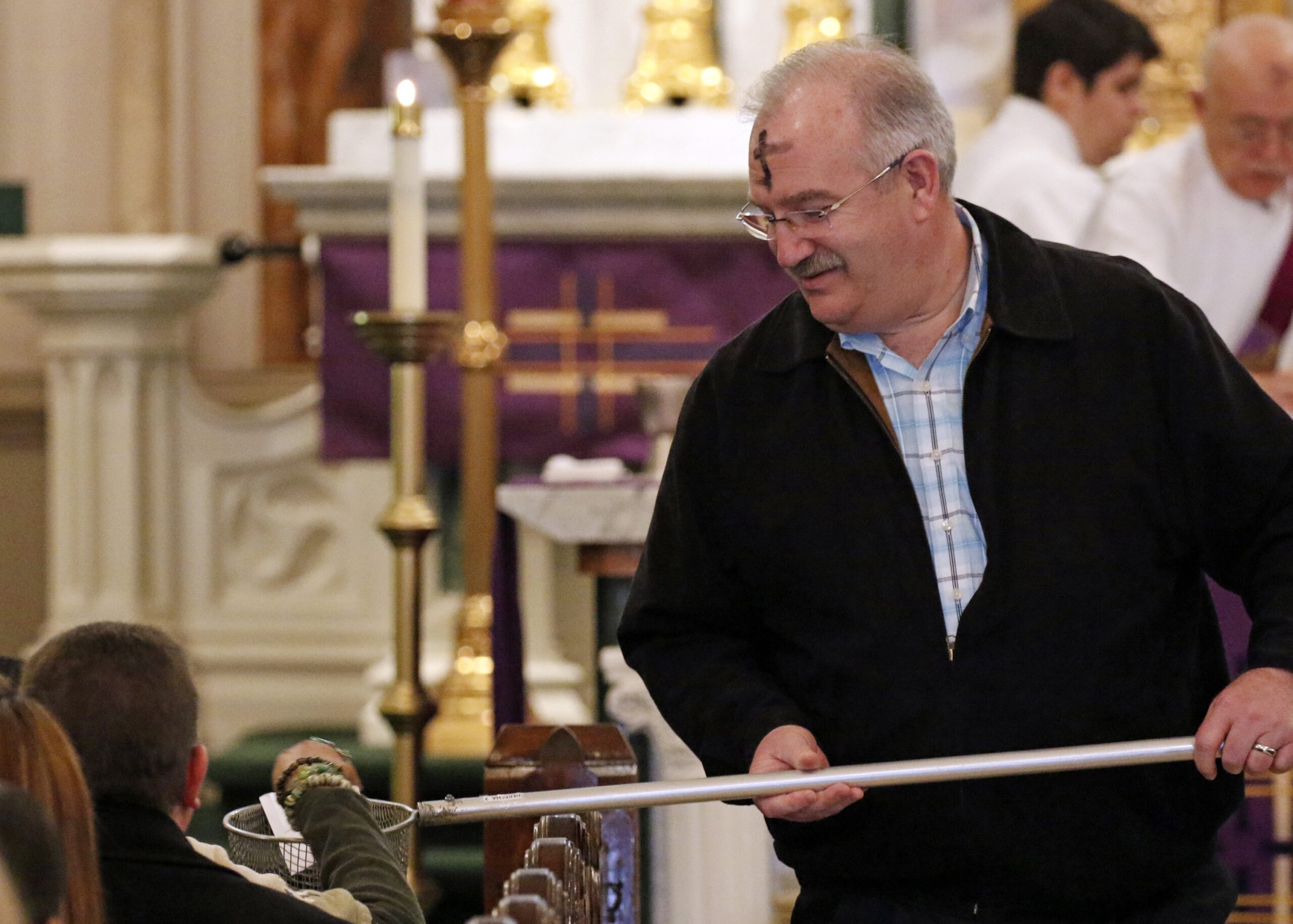
Contribution to the Church and almsgiving to the poor are two important duties of the faithful.
Regarding the contribution to the Church, the Code of Canon Law states: “The Christian faithful are obliged to assist with the needs of the Church so that the Church has what is necessary for divine worship, for the works of the apostolate and charity, and for the decent support of ministers.”
The Catechism of the Catholic Church states: “Giving alms to the poor is a witness to fraternal charity: it is also a work of justice pleasing to God” (CCC 2462).
The Catechism of St. Pius V listed penance, Eucharist, and almsdeeds as chief remedies to heal the wounds of the soul: “The remedies of a sickening soul are penance and the Eucharist; and to these, therefore, the faithful people should have frequent recourse. Almsdeeds also, as the sacred Scriptures declare, are an efficacious remedy for healing the wounds of the soul; and those, therefore, who desire to offer up this prayer piously, should act kindly to the poor according to their means.”
St. Thomas Aquinas pointed out that mercy is more useful to the person who gives: “For, he who exercises it thereby makes a spiritual gain, whereas the recipient makes only a temporal gain.”
- St. Paul reminded the Corinthians of the blessings of almsgiving:
- “Whoever sows sparingly will also reap sparingly, and whoever sows bountifully will also reap bountifully” (9:6).
- “God loves a cheerful giver” (9:7).
- “He who supplies seed to the sower and bread for food will supply and multiply your seed for sowing and increase the harvest of your righteousness” (9:10).
St. Thomas Aquinas commented: “Almsgiving is called a ‘blessing’ because it is the cause of eternal blessing. For by the action of giving, the person is blessed by God and by men.”
St. John Chrysostom said, “This holy apostle gives these two principles: in temporal things one should limit oneself to what is necessary; but in spiritual things one should seek as much as possible. Therefore he asks that we should not simply give alms, but give alms generously.”
The saint added: “That is why he calls alms ‘seed’. Just as corn cast into the ground produces a crop, so generous alms produces righteousness and abundant harvest.”
Your voice matters! Join the conversation by submitting a Letter to the Editor here.
博施濟貧治癒靈魂的創傷
格林多後書第8與第9章論及為耶路撒冷教會的捐獻。
聖保祿首先提到馬其頓人慷慨的榜樣(格後 8:1-6),接著勸勉格林多人也要慷慨捐助(8:7-15)。他推薦弟鐸與弟茂德,並差遣他們協助籌備捐款(8:16–24),又敦促格林多人應先準備好所應許的捐助(9:1-5),並提醒他們博施所能帶來的祝福(9:6–15)。
天主教作家Stephen Ray寫道:「一點良性的競爭有時也能激發慷慨。馬其頓人雖極其貧乏,仍照他們的力量,『他們是盡了力量』,甚至『超過了力量,自動的捐輸。』(格後 8:3)」
金口聖若望金口說:「馬其頓人熱心的秘訣,在於他們首先把自己奉獻給主。其他一切都是由此而生。正因如此,他們行慈善時不驕傲自大,反而顯出極大的謙卑與天上的智慧。」
聖保祿以基督親身的榜樣呼籲人們慷慨:「你們原知道我們的主耶穌基督的恩賜:他本是富有的,但為了你們卻成了貧窮的,好使你們因著他的貧窮,而成為富有的。」(格後 8:9)
金口聖若望評註說:「如果你不相信貧窮能使人成富,那就想一想你的主罷!你就不再懷疑了。因為如果他沒有變得貧窮,你就無法成為富有。」
聖人列舉出基督貧窮所帶來的祝福:「藉著人難以理解的奇蹟,貧窮產生了這些財富 – 對天主的認識與虔敬、脫離罪惡、稱義、成聖,以及祂已賜與並將來要賜與我們的無數恩惠。」
他補充道:「為我們積累的一切都是因著祂的貧窮而來的 – 因祂取了我們的肉身, 成了人,承受了那些苦難。而與我們不同的是,祂本不應受罰與受苦。」
為教會的捐獻與對博施濟貧,是信友的兩項重要本份。
有關教會的捐獻,天主教法典規定:「基督信徒有義務支援教會的需要,以使教會具備對敬禮天主、傳教和慈善事業,以及職員的合理的生活費用。」(法典第 222 條)
天主教教理亦指出:「對窮人的佈施是弟兄友愛的見証:亦是悅樂天主的正義之實踐。」(教理 2462 條)
聖庇護五世《天主教教理》列出補贖、聖體與博施為治癒靈魂創傷的主要良方:「治愈有病靈魂的良方是補贖與聖體聖事;因此信友應常常領受這些聖事。博施也是,正如聖經所言,是治癒靈魂創傷的有效良藥;所以那些虔誠祈禱者,應照自己能力善待貧人。」
聖多瑪斯亞奎那指出:「施行慈悲對施與者更有益處。因為他在靈性上得益,而受施者僅得暫時的益處。」
聖保祿提醒格林多人博施的福報:「小量播種的,也要小量收穫;大量播種的,也要大量收穫。」(格後 9:6)
「天主愛樂捐的人。」(格後 9:7)「那供給播種者種子,而又供給食糧作吃食的,必要供給和增多你們的種子,且使你們仁義的出產增加。」(格後 9:10)
聖多瑪斯亞奎那評論道:「博施被稱為『祝福』,因為是永恆祝福的因由。透過施與的行動,施與者獲得天主與人的祝福。」
金口聖若望亦說:「這位神聖的宗徒提出兩項原則:在世物上,人當節制於所必需;但在神益上,人當力求豐富。因此他不僅勸人博施,更要求慷慨地博施。」
聖人又補充:「這就是為什麼他稱博施為『種子』:就如種子撒在地上可結出果實,同樣,慷慨的博施也將結出仁義與豐收的果實。」
Your voice matters! Join the conversation by submitting a Letter to the Editor here.







