

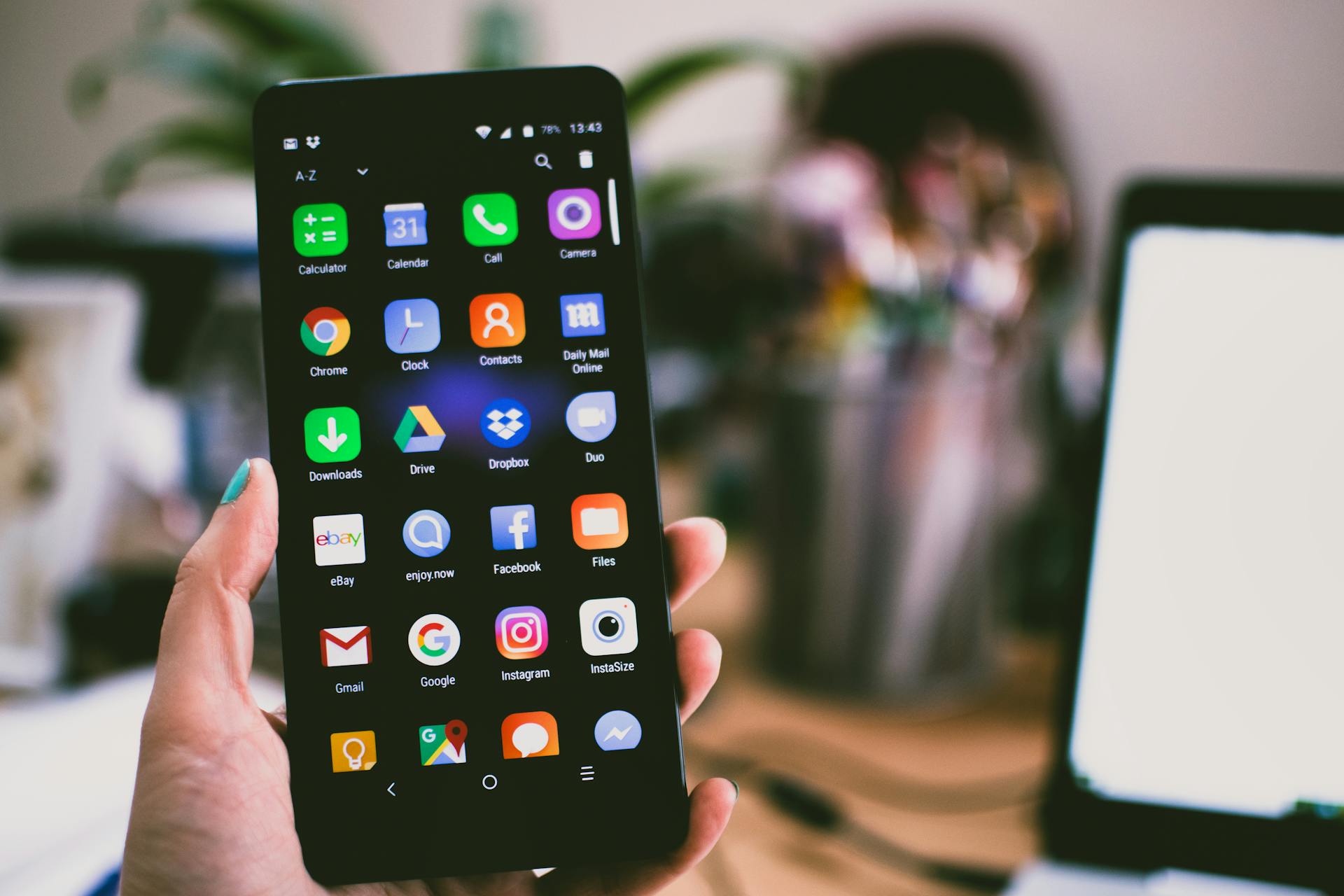

It’s been six years, going into a seventh. Well, not quite, but hear me out. I still love my phone, even though it no longer receives operating system updates.
Seems I’m not alone when it comes to the Note 9 from Samsung. I started out with the “8” model back in 2018, buying it outright and using it subsequently on a month-to-month basis with Telus Mobility.
I came into the Android ecosystem quite by accident, when I won an early Samsung S IIX phone in an online contest. I say “by accident,” but as a physics and computer sciences teacher it was only natural I’d be drawn to the Android world. The closed nature of the Apple system didn’t appeal to me, aside from using a MacBook Air for a few years, although alongside a Chromebook and various Windows computers.
My Note 8 purchase was the first time I actually bought a phone. Previously I had phones related to my work, phones going back to the BlackBerry days. That contest-win phone hooked me on the Android platform and its freedom to explore, much different from the iPod/iPad/MacBook environment I had used at one time.
With the Note 8 I was immediately captivated by the large screen and the pen it came with, the so-called S Pen, which was part of what made the Galaxy Note lineup unique. This pen makes for easy markups of images and graphics, as well as selective captures of text, both highly useful if, like me, you are an avid poster to various social media platforms.
I was devastated when my Note 8 was destroyed by a gravel truck driving over it, a story I previously wrote about in this space. The phone was initially lost but eventually found, all but unrecognizable, thanks to Google’s Find My Phone service. I immediately replaced the unusable “8” with a used Note 9 equipped with a new battery.
Another aspect that made the Note 8 special, aside from the S Pen, was that this phone was almost entirely paid for from an experimental foray into cryptocurrency—singular, Bitcoin—as no others of any consequence existed back then. And, yes, the gain was reported on the tax return that year.
So why stick with the Note phone? Well, let’s list some of the reasons for the replacement Note 9. Gorgeous screen, as good now as when the phone was new. Part of the appeal of the screen is the curved vertical edges. These are used for additional menuing features. I can keep a number of frequently used applications in these sidebar menus, effectively expanding the front screen. Terrific camera at the time of introduction, and still pretty good after all these years.
Perfectly balanced, ideal weight, and fast are other attributes which continue to appeal to me. One of the first handsets with wireless charging. Battery life is still amazingly good after all these years. And although corded, I’ve loved the earphones that came with the Note 8/9 lineup. Yes, I’ve worn out two sets, and the third is developing a problem. When I eventually upgrade I will lament the loss of the audio jack on most modern handsets.
Samsung’s Galaxy Note models were its flagship phones for a long time. The labelling was eventually dropped and the “flagship” distinction became somewhat murky as companies tried passing off several variants as their top devices.
Samsung also toyed with dropping the S Pen, arguably the defining aspect of the lineup, but it remains in the current S25 Ultra. Speculation is that this may be the last Samsung handset to incorporate the pen.
In my own case I’ve accidentally broken two S Pens. Replacements are difficult to come by. Although clones are available, they often don’t fit properly; each is unique to the specific model it is made for. I was fortunate that one of the local Samsung stores still had one, which they gave me at no charge.
Perhaps like many of you I find I use my mobile rather infrequently as a phone; its primary use is as an internet-connected device. I’ve even used it to make edits to my columns while standing in a grocery checkout line, or to quickly jot down an idea for a future column which may arise out of reading technology news on the Techmeme website.
Now about those updates—or rather, lack thereof. It’s been more than a year since my mobile stopped receiving operating system and security updates. So far I’ve avoided any issues, but this is not a good practice. Eventually I will have to retire the phone and replace it.
This is where it gets annoying. Technologically and functionally, the Note 9 remains an outstanding handset. Its retirement by Samsung from the updates schedule is strictly designed to drive sales of newer devices.
At some point the major phone manufacturers, whether by market forces or of their own volition, should extend the operational periods of their handsets. At least they can look to Chromebooks as an example. When first introduced, back in 2012, their so-called auto-update expiration period for the Google Chrome-powered devices was set at three years. Subsequently this was doubled to six years, and for recent units this has increased to 10 years.
Follow me on Facebook (facebook.com/PeterVogelCA), or on Twitter (@PeterVogel)
Your voice matters! Join the conversation by submitting a Letter to the Editor here.







