

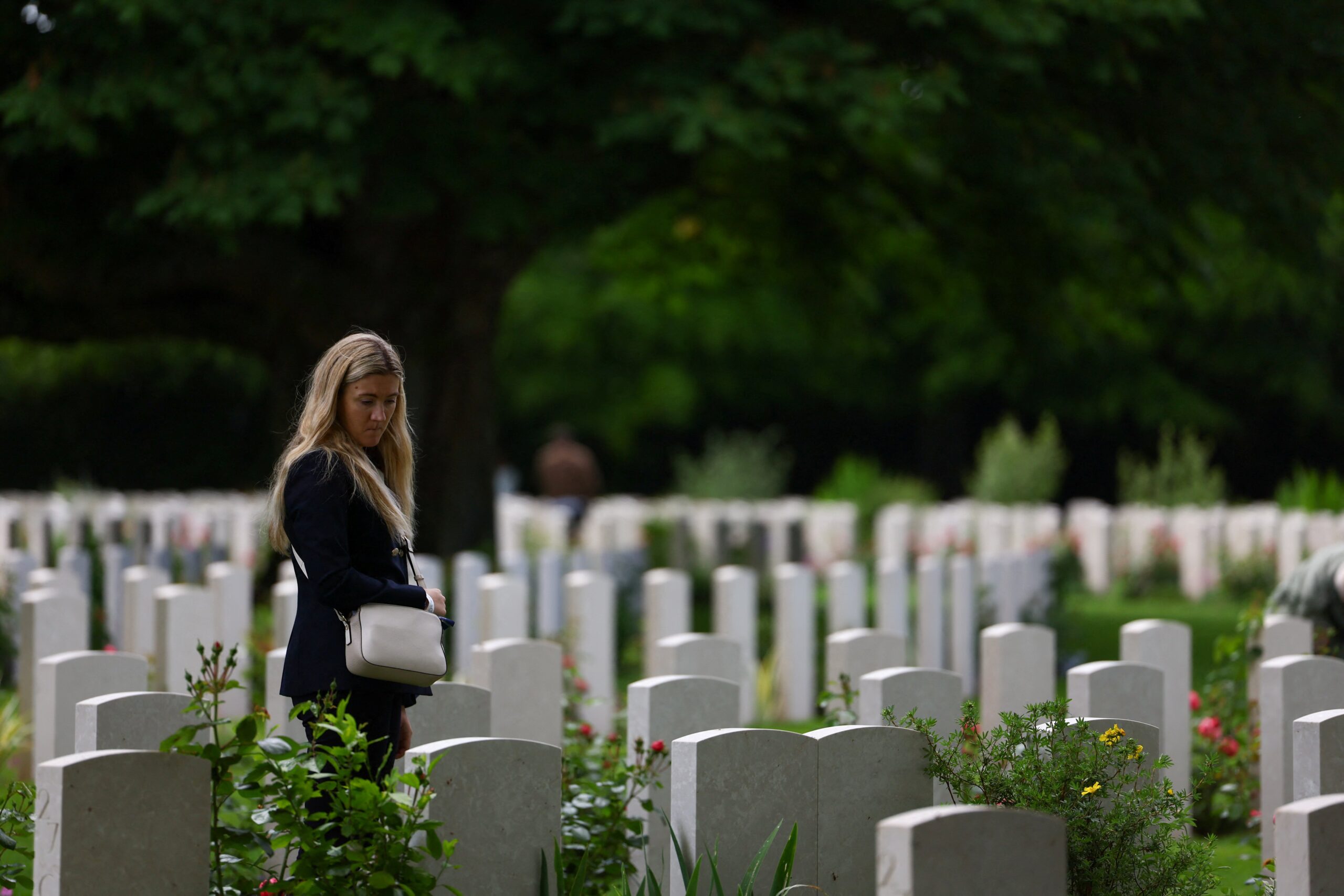

Does man have time to die?
A good question to ponder in Lent, to be sure, and one that can be found in A Time to Die by Nicolas Diat, who details the deaths of monks in several monasteries in France.
The book is particularly fitting in this penitential and prayerful season in which we are called to focus on our eternal destination. But also, in light of the current situation with MAiD (medical assistance in dying) being accelerated in our country as a means to die “on one’s own terms,” a discussion of suffering and death couldn’t be timelier.
How does examining the deaths of secluded French monks help the average Catholic in contemplating eternity? Well, ultimately, whether or not we are in the world or removed from it, not one of us can escape death. And no matter how we think we can prepare for the end of this life, it is ultimately a profound moment between each individual and God. This is true for all of us, monk or otherwise.
Whether it is contraception, abortion, euthanasia, or advanced medical directives, human beings are constantly grasping at ways to control the beginning and end of life. And while there are many life-beginning and life-ending options these days, we know the attempts at such control come with the heavy price of desacralizing life. It distracts us from the point of life and death – to know, love, and serve God, and, ultimately, to return to him.
In his book, Diat discovers that the monks of the monasteries he visited have largely been able to preserve the simplicity and dignity of the dying process. There are threats to it, of course. Many monks have had to receive medical attention and hospital care, which sometimes interferes with the natural process. The abbots interviewed discuss the difficulties they have faced in this regard, sometimes at odds with a medical system that either wants to hasten death in the interest of saving time and resources or, at the other end of the spectrum, prolong life at all costs with numerous medicines and interventions.
It’s a question we all must face. We must be able to die, but never at the cost of harming the dignity of human life, with God always as its author.
During Lent, we should be thinking about the dying to self we all must do on a daily basis in order to allow God’s life to abide in us. These daily denials, especially highlighted during Lent, are little preparations for our actual death someday. We must constantly fight against the bombardment of the world in which we live – the constant attachment to busyness with which we all struggle. This is also where we can learn from the monks, who lead lives of detachment from the pulls of the world.
“The acceleration of technological life overwhelms until the final moments,” writes Diat. “God must force us to take this time. He says, ‘That’s enough’ when modern man would readily answer ‘I don’t have time.’ Man has become a slave in that he no longer has time for himself or God. The lack is cruel. He does not have time to die because he does not have time to live. For his part, the monk agrees to lose all his time for God. Monastic life is happy. Monastic death is also.”
So, how we die is directly related to how we live. This is one of the beauties of Lent – time to really reflect on how we are living and make detachment a priority. If we allow our passions to rule our lives, we will likely have a harder time letting go when our time comes.
While most of us are not called to retreat from the world and give up the majority of creature comforts as monks do, we are still called to detach from the comforts and habits of this world that hold us captive and keep us from being free to love God completely. Only then will we be giving ourselves time to truly live, and thereby time to die well.
Lent, like life, will come to an end, culminating in the death of Jesus Christ on the cross. He showed us how to live and then how to die, and both were not without suffering and struggle. Living life and accepting death, both with the goal of eternal life, is not only the focus of monks, but all of us who put our hope in the resurrection.
Lazzuri writes from her home in Nova Scotia, where she lives with her husband, four of her six children, and her mom. She can be reached at clarelazzuri@gmail.com.
Your voice matters! Join the conversation by submitting a Letter to the Editor here.







