



As a nation, we are facing an existential and mental health crisis amidst increasing rates of isolation, homelessness, addiction, suicide (especially among young males), and unemployment. Coupled with long wait times for access to care, it becomes increasingly important to develop self-sufficient techniques to reduce stress and cope with panic.
As health researchers, we have observed effective and accessible techniques to support those struggling with anxiety, panic, and emotional distress, and which work effectively with prayer.
Among the many coping strategies available, one practice stands out for its simplicity and profound impact: box breathing. When paired with prayer or spiritual reflection, this method becomes a powerful tool for grounding, clarity, and resilience.
Box breathing, also known as square breathing, is a structured practice that involves inhaling deeply through the nose for a count of four, holding the breath for another four counts, exhaling for four counts, and then holding the empty breath for four counts before repeating the cycle. This rhythmic pattern is designed to regulate the nervous system, activate the vagus nerve, and promote a state of calm that counteracts the body’s stress response. The vagus nerve, a crucial part of the parasympathetic nervous system, helps shift the body from a “fight or flight” state—marked by heightened stress and anxiety—to a “rest and digest” state, fostering relaxation and emotional balance.
For many, the practice of box breathing is significantly enhanced when combined with prayer. While breathing techniques bring physiological relief, prayer offers a sense of spiritual solace, creating a dual pathway to emotional regulation. This combination allows individuals to not only quiet their minds but also engage in introspection and connection with a higher power. Whether through structured prayers, mantras, or moments of gratitude, integrating prayer into the breathing cycle fosters a deep sense of peace and purpose.

Among us, Dr. Austin Mardon, an advocate for mental health and resilience, has firsthand experience with the power of prayer in overcoming extreme adversity. During his time in Antarctica, he suffered from severe frostbite, an excruciating and isolating experience that tested his physical and mental endurance. Through immense pain, he turned to prayer, finding solace and strength in moments of deep breathing and spiritual connection. His experience highlights how faith and controlled breathing can provide a profound source of relief and inner fortitude, even in the face of immense suffering.
Veterans, in particular, stand to benefit from this practice. Many face challenges such as post-traumatic stress disorder (PTSD), anxiety, and feelings of isolation. The simple act of pausing to breathe and pray can provide them with an immediate sense of stability, offering a refuge from overwhelming thoughts and emotions. By focusing on breath and faith simultaneously, they can reclaim control over their internal state, creating a buffer against the triggers that may evoke strong emotional and physiological responses.
Beyond its immediate calming effects, prayer-infused box breathing has long-term benefits for emotional resilience. Engaging in a routine of mindful breathing and spiritual reflection cultivates an ongoing sense of awareness, making it easier to navigate stress and uncertainty. This practice does not require extensive resources, making it an accessible tool for individuals across all backgrounds and belief systems.
As we navigate the complexities of mental health, let us recognize the power of integrating faith and breath into our daily lives. By normalizing and promoting techniques like prayer-infused box breathing, we can foster a culture of mindfulness, resilience, and connection. The journey to mental wellness is not one that must be travelled alone—through accessible tools and a supportive community, individuals can find peace, strength, and a renewed sense of hope.
- Dr. Austin Mardon is an adjunct professor in the Faculty of Medicine and the John Dossetor Health Ethics Centre at the University of Alberta. A recipient of the Order of Canada, he has been recognized by Pope Francis with the Order of St. Sylvester and received honours from the U.S. Navy and NASA for his contributions to Antarctic research and diversity initiatives.
- Parman Rahimpoor is a master’s student in neuroscience at York University.
- Jenna Banks and Eric Hodgson are psychology students at the University of Alberta.
- Drs. John Christy Johnson and Peter Anto Johnson are twin medical doctors in Edmonton and members of the Antarctic Institute of Canada.
Archdiocese tackles stigma of mental health in Church communities
At a mental health event last October, participants explored how Catholics can foster a more welcoming and supportive Church community for those facing mental health challenges, bridging the gap between faith and mental health.
The gathering at St. Matthew’s in Surrey featured Father Bryan Duggan and psychologist Dr. Hillary McBride, who highlighted the Church’s role in walking alongside those struggling with mental health.
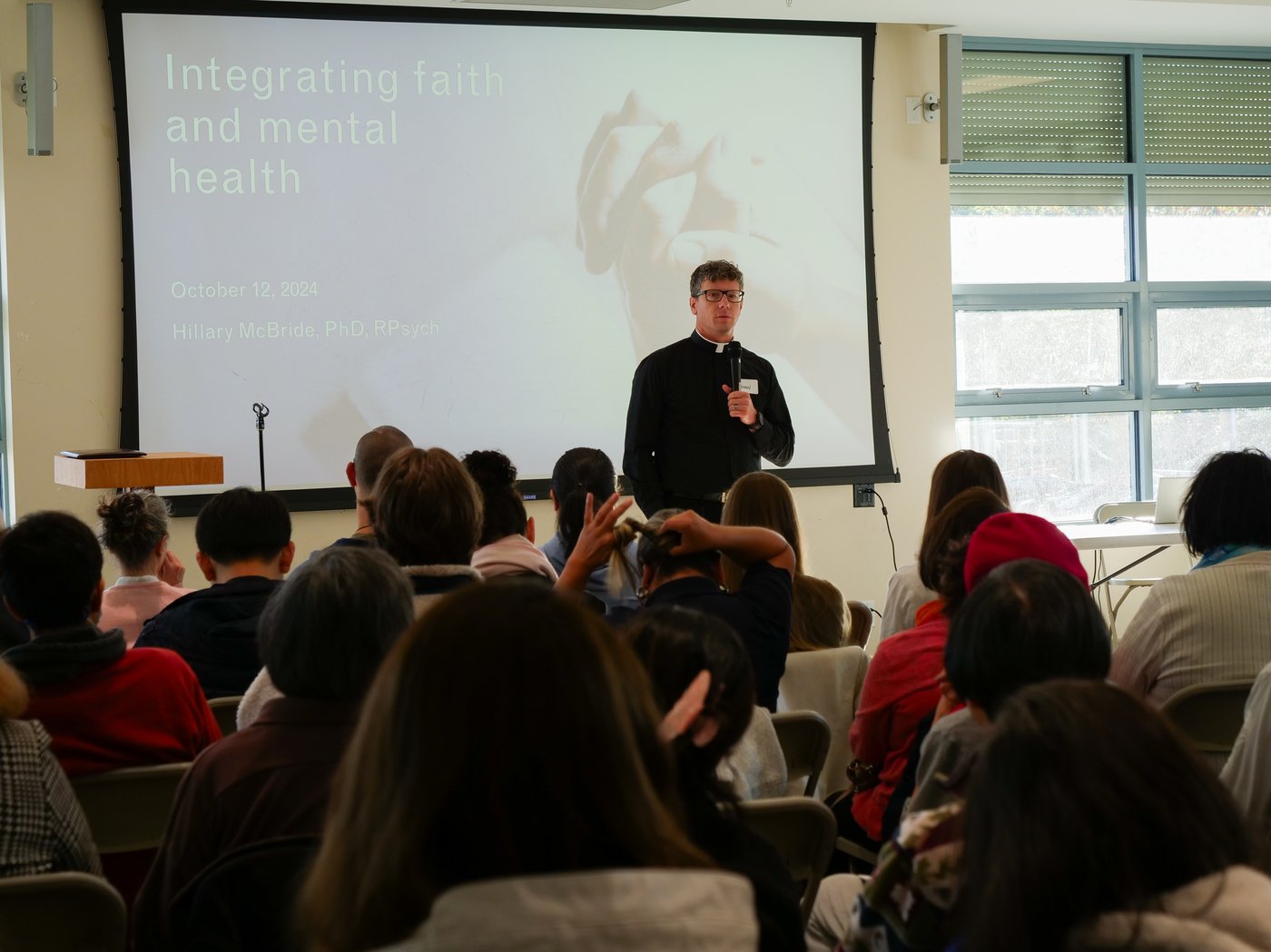
“We as a Church have a particular call to accompany and walk with those who are experiencing challenges in the area of mental health,” said Father Duggan. “Sometimes it can be hard to know how to help.”
Discussion at St. Matthew’s emphasized three key pillars for addressing mental health needs in parishes: education, accompaniment, and advocacy. Organizers encouraged parishioners to learn more about mental health, engage in compassionate listening, and actively support those in need rather than dismissing or misunderstanding their struggles.
Father Duggan emphasized the importance of recognizing mental health as an integral part of overall well-being.
“The reality of the suffering of mental health is as universal and as profound as that of physical health,” he said.
The event also provided an opportunity for attendees to explore the intersection of faith and psychology, addressing how the Church can be better equipped to support those facing mental health challenges.
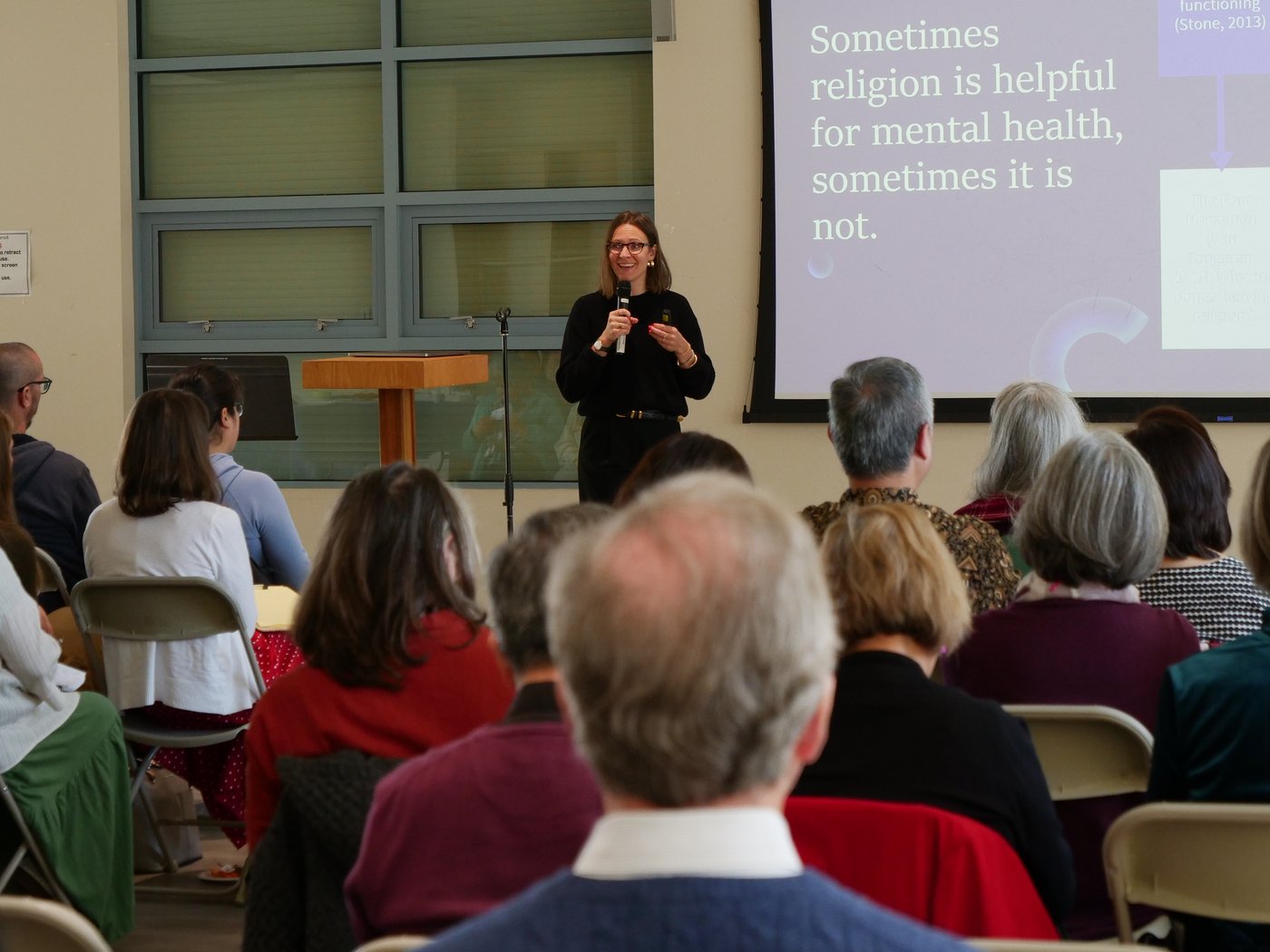
The Archdiocese of Vancouver had been addressing the growing mental health crisis and the need for parishes to be better equipped to support those facing mental health challenges.
Statistics show that one in five Canadians will experience a mental health issue each year, with anxiety and depression rates having doubled or tripled over the last decade. Suicide remains the second leading cause of death among youth and young adults aged 15–34.
Mental health was identified as a top concern during the recent synodal process, underscoring the need for a faith-based response to current challenges.
The Archdiocese recently began searching for a coordinator to direct its new Mental Health Ministry. The office “reflects the Church’s commitment to supporting mental health awareness and ensuring that parishes provide a pastoral environment where individuals feel supported and welcomed in their mental health journey,” the Archdiocese said.
The coordinator will work with strategic partners, provide training, and help equip parishes to advocate for and accompany those struggling with mental health challenges.
If you or someone you know is in distress, help is available:
988 (Call or Text) – Canada’s Suicide Crisis Line
310-6789 – B.C. Mental Health Crisis Line
604-872-3311 – B.C. Distress Line
780-427-4491 – Children’s Mental Health Crisis Line (Alberta)
Veterans Affairs Canada – Offers mental health support specifically for veterans and their families
Your voice matters! Join the conversation by submitting a Letter to the Editor here.







