

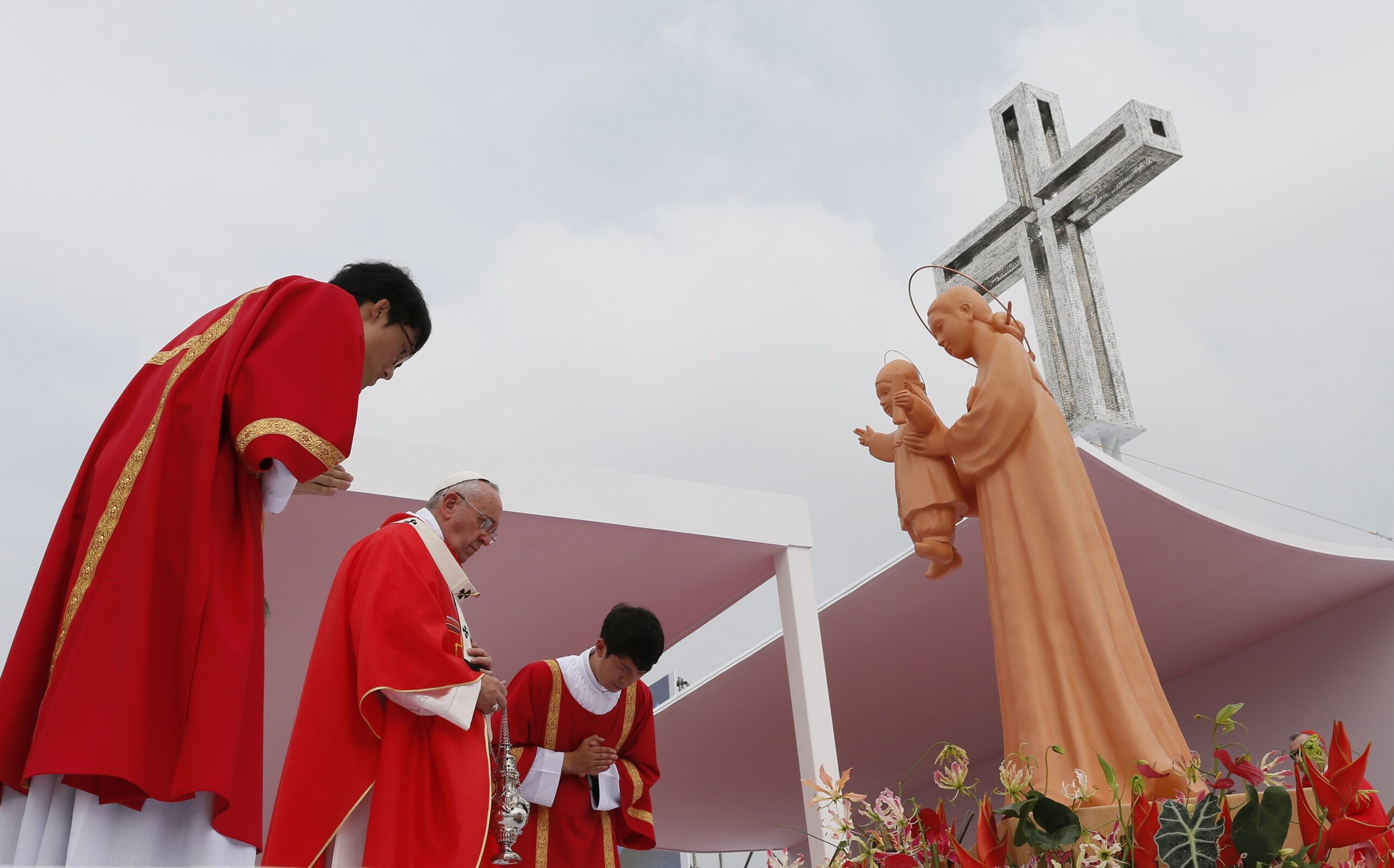

At a Mass to celebrate the upcoming World Youth Day 2027 in Seoul, South Korea, Seoul Archbishop Peter Chung Soon-taick urged young people to embrace their roles as “miracle-makers” and “protagonists of their own narratives.” With its Jubilee-related theme “Hope Ignites in Seoul,” the next World Youth Day will offer a unique stage for a message of hope as an estimated one million pilgrims gather.
The following articles by Vancouver Catholics—one a pilgrim who recently visited Korea and the other a long-term resident—reflect on Korea’s faith journey and its contributions to the global Church, offering a glimpse of the spirit that will fuel WYD 2027.
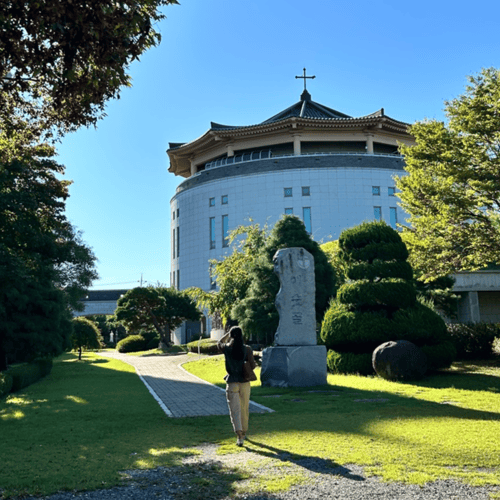
Walking with the Korean martyrs:
a pilgrim’s reflection
By Rachel Wong
“The blood of the martyrs is the seed of the Church.”
This quote, attributed to the 2nd-century Church Father Tertullian, took on new meaning for me while I was in South Korea on pilgrimage. It was in South Korea where I walked the same streets where thousands of Koreans, both lay and clergy, gave up their lives for the love of Christ.
My pilgrimage group and I visited about a dozen pilgrimage sites while in South Korea, many of which were the actual sites where Koreans were martyred. It was a heavy experience to bear witness to. We encountered grave after grave, reading horrific stories about the treatment that early Korean Catholics suffered at the hands of the ruling government of the day.
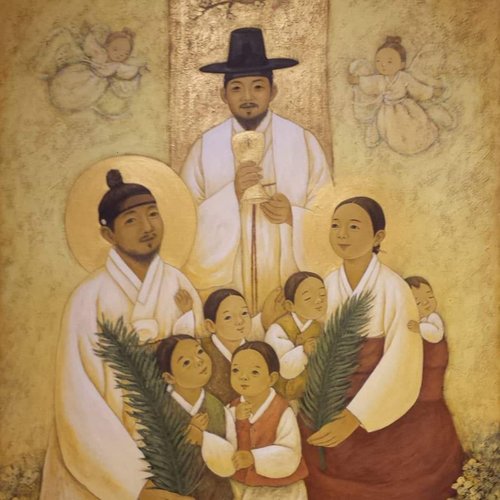
Amid such death, there were moments where I experienced profound gratitude, not only to my Korean brothers and sisters who walked the road to martyrdom, but also for the abundant mercy of God. Many of the stories of martyrdom that I was familiar with felt almost “too” perfect at times, like St. Stephen, who put up no fight against those who stoned him.
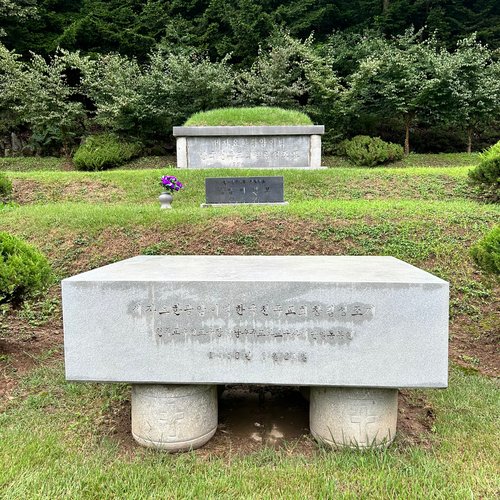
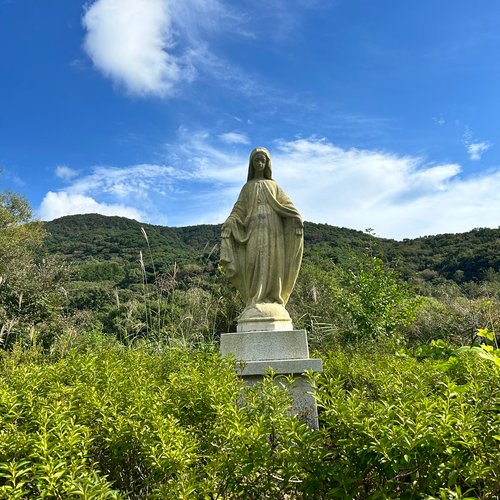
But among some of the Koreans we now venerate as saints and blessed, there were plenty of unique characters who had their own flaws, failings, and incredible stories of conversion.
Take the example of Blessed Maria Yi Seong-Rye. In the early 1800s, during one of the intense periods of persecution against Christians in Korea, Blessed Maria and her husband, St. Francis Choe Kyong-Hwan, were arrested because of their involvement in starting a Christian community. At the time of her arrest, Blessed Maria was imprisoned with her youngest, a baby who still needed to be nursed. She starved while in prison, and her milk started to dry up. As she feared for the health of her baby, she apostatized to save the life of her child. She was released and reunited with her family, but ultimately heartbroken at her apostasy. Later, when she was arrested again, she entrusted her child to other family members and went back to prison. She was ultimately martyred a year after her husband.
While stories like these were heartbreaking to reflect on, it also gave me a lot of hope. I spent many hours on pilgrimage contemplating what I would do if I were put in such a situation. But as I pondered it further, the Lord really offered it to me as a reflection of his mercy. It was an invitation to conversion.
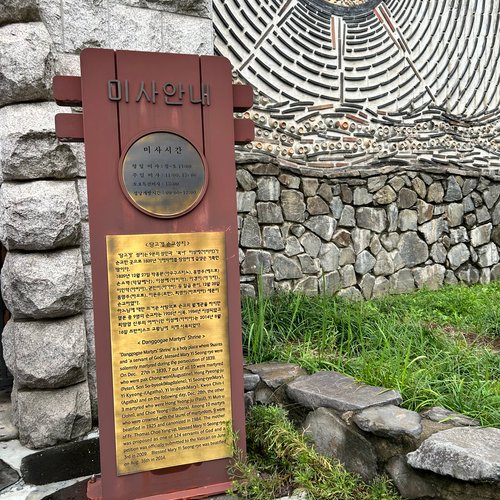
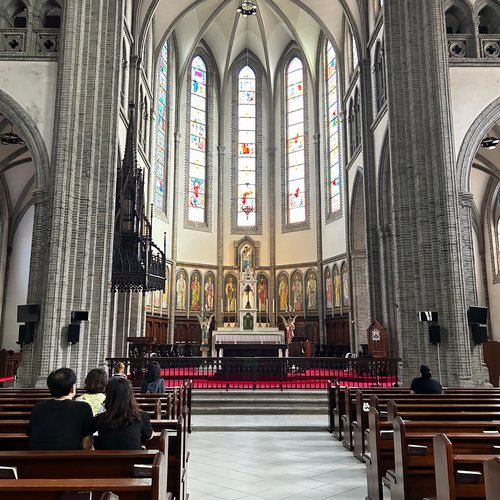
One of the sons of Blessed Maria and St. Francis, Venerable Thomas Choe Yang-Up, would go on to be the second native Korean to be ordained a priest. Through their profession of faith and evangelization within their home, they helped to sow the seeds of a faith that would go on to grow in exponential ways in South Korea.
As an Asian Catholic, the story of the Korean Martyrs shows me what a gift it is that Jesus came not only to save one race, but all. His death and resurrection inspired countless other lives around the world to live for him, paving the way for someone like me to participate in the Body of Christ.
Rachel Wong is the Archdiocese of Vancouver’s Communications Office marketing manager.
My journey of faith in South Korea
By Les Zsoldos
My life in South Korea started in 2007. Before moving, I was a member of the choir of St. Joseph’s in Port Moody, and I had previously been a lector at Holy Name and St. Francis de Sales. A Catholic from birth, I had often taken my Catholic faith for granted and, at times, not fully appreciated it.
It hadn’t entered my mind to move, but while I was in my office at Simon Fraser University, I saw an email that caught my eye. A Korean university was looking for a native English speaker to teach courses in the English Department. It was a full-time position, so I responded and expressed interest.
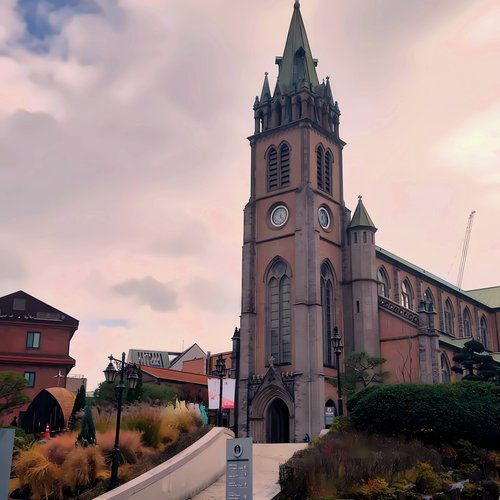
My first Mass was at the church located near campus. In my city, there were no English Masses, so the Mass was in Korean, but I couldn’t follow much. Because I wanted to understand the homily, I decided to attend the English Mass at the cathedral in Seoul. Though I had to wake up early to catch the bus, I didn’t mind.
The priest was an Irish missionary in Korea for many years. After attending for about five years, a Canadian lector recommended that I read. I was now teaching at a university in Seoul, so it was convenient to attend the English Mass at the cathedral, and I became a lector.
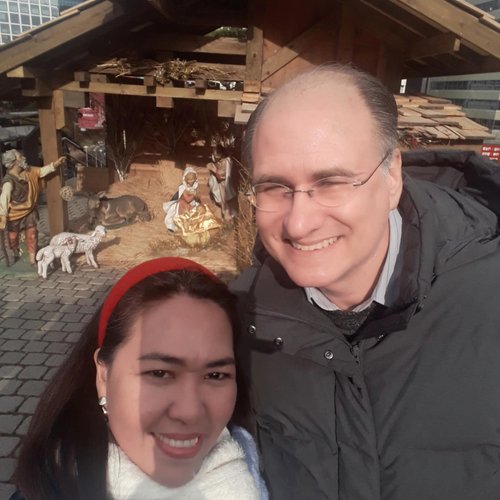
While I was at my new university in Seoul, I started exchanging emails with a devout Catholic from the Philippines. We enjoyed discussing our faith, and over time my interest in her grew. To her surprise, one day I told her that I wanted to visit. My first visit was only for one week, but I returned every vacation and proposed to Grace during my fifth visit. Our wedding was in Davao, my wife’s hometown, and took place on August 15, 2015. The date is significant because it is the Feast of the Assumption of the Blessed Virgin Mary. Later that year, my wife joined me in South Korea.
One day we visited Jeoldusan Martyrs’ Shrine, a site in Seoul where many Catholics were executed for their faith. I was impressed to learn that the Han River turned red, and one of the martyrs was only 13 years old. The realization that I was in a country where many had been persecuted for their faith gave me a deeper appreciation of my Catholic faith.
Another change occurred with the Rosary. My wife prayed the Rosary regularly, but I seldom did. In fact, I couldn’t pray it without my Rosary guide. One day, though, I received a rosary as a gift, and I truly felt that it was a sign I needed to pray the Rosary faithfully. My wife and I started to pray the Rosary before going to bed, and we’ve continued to do so to this day.
During the pandemic, when all Masses temporarily closed, we followed an online Mass from Loretto Abbey Chapel in Toronto. The English Mass at the cathedral remained closed, so we transferred to the English Mass at the Catholic International Parish of Seoul. The priest was an Italian missionary. After attending one Mass, a nun who assisted with the Masses asked if I wanted to read and later asked if I wanted to be a Mass commentator. In South Korea, all the Masses have commentators who give an introduction, announce the hymns, and lead the faithful in the responses and prayers. When the English Mass at the cathedral resumed, we decided to stay in our new parish.
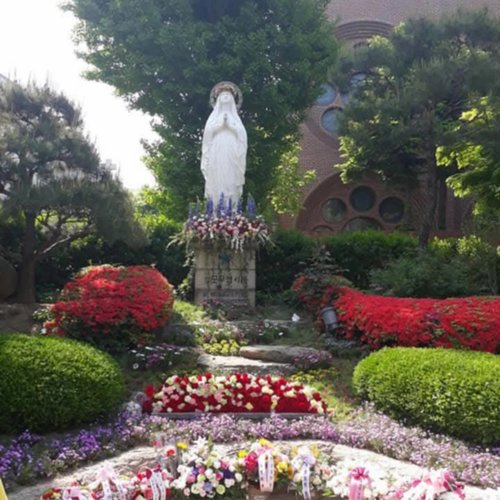
Soon after becoming a commentator, my wife and I were given the opportunity to teach catechism classes. She taught kindergarten, and I taught post-communion. In my first class, I had four students—two from Nigeria, one from Ivory Coast, and one from the USA. Now I was a Mass commentator and catechism instructor, but I’d soon serve in another way. The lector coordinator asked me to join the choir. It had very few male voices, so the members were happy I could join.
I’ve now been in South Korea for 18 years, and my wife has been here for nine. During this time, I’ve become more attached to the Rosary and gained a deeper appreciation of the Catholic faith. We don’t plan to live here permanently and are asking God to guide us through the next stage of our lives. At the same time, we are truly grateful for the wonderful experiences and blessings we have received in South Korea.
Les Zsoldos, a former choir member and lector at St. Joseph’s in Port Moody, is an educator who taught at Simon Fraser University and St. Mark’s College before relocating to South Korea in 2007.







