

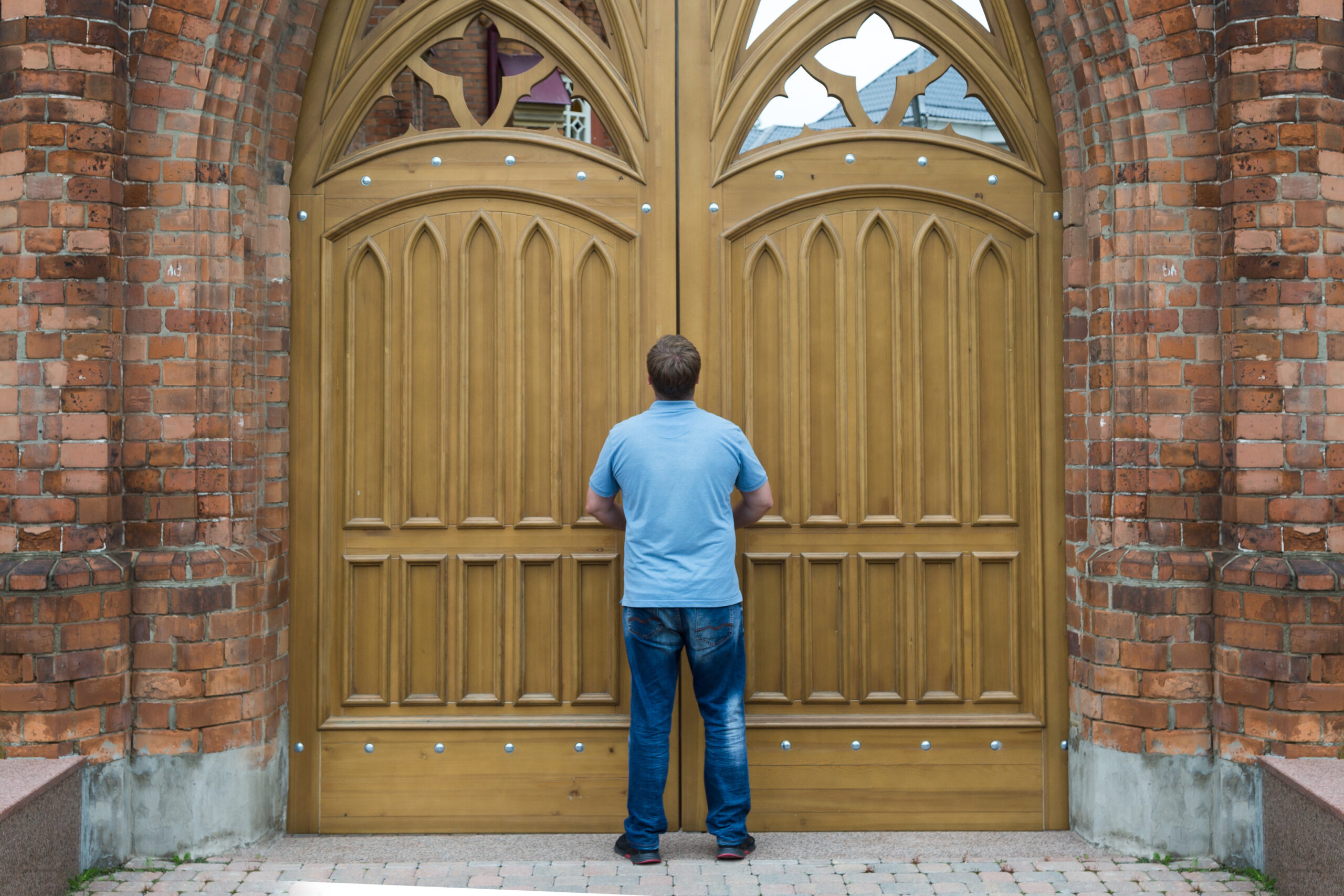

In Chapters 5 and 6 of the First Letter to the Corinthians, St. Paul denounced the moral failings of the Christians in Corinth. There was a public case of sexual immorality in the community.
One unchecked sinner can infect an entire church. Hence, St. Paul commanded: “Let him who has done this be removed from among you” (1 Cor 5:2).
St. Paul emphasized the seriousness of the sin of scandal. Pope St. Pius X wrote, “Scandal is any word, act, or omission which is the occasion of another’s committing sin…. Scandal is a grave sin because, by causing the loss of souls, it tends to destroy the greatest work of God, namely, the redemption; it effects the death of another’s soul by depriving it of the life of grace, which is more precious than the life of the body; and is the source of a multitude of sins. Hence God threatens the severest chastisement to those who give scandal.”
St. Paul further commanded, “You are to deliver this man to Satan for the destruction of the flesh, so that his spirit may be saved in the day of the Lord” (1 Cor 5:5).
St. Thomas Aquinas commented: “The excommunicated, because they are outside the Church, lose some of the benefits it contains. There is an additional danger: the Church’s prayer renders the devil less able to tempt us; therefore, when someone is excluded from the Church, he can be easily overcome by him. So it was that in the early Church when someone was excommunicated it was common for him to be physically tormented by the devil.”
St. Theophan the Recluse added, “Carnal sin is punished in the body, for the weakened flesh will also weaken the bonds of sin and will give the spirit room for repentance.”
St. Paul asked, “Do you not know that a little leaven leavens the whole lump?” (1 Cor 5:6). St. John Chrysostom explained, “For, Paul says, even though the sin belongs to that man, if it is overlooked it can destroy the rest of the body of the church: when the one who first sinned is not punished, others will quickly commit the same sins. Paul says these things to show that the struggle affects the whole church, not just one person. That is why he needed the image of the leaven. For, he says, just as leaven, though small, transforms the whole lump into its own nature, so also if that man and his sin go unpunished, it will bring ruin to the others as well.”
St. Paul wrote, “But now I am writing to you not to associate with anyone who bears the name of brother if he is guilty of sexual immorality or greed, or is an idolater, reviler, drunkard, or swindler—not even to eat with such a one” (1 Cor 5:11).
Catholic author Stephen K. Ray elaborated: “There are two ways in which one can be too close to sinners—in the world, and in the church.”
He writes, “You can’t avoid being with sinners at work, in the marketplace, at the library, or at the town square…. Paul’s command to throw the sinful man out and to purify the Church is now explained further. Paul names a number of sins and sinful people that we are to avoid within the Church…. Avoid anyone who bears the name of brother if he is guilty of practicing such sins—don’t even eat with such a person. To eat with such a ‘so-called brother’ is to associate with sin…. Our association with such a sinner also bears the false testimony that we accept or condone such sinful behaviour.”
St. John Bosco wisely advised, “Fly from bad companions as from the bite of a poisonous snake. If you keep good companions, I can assure you that you will one day rejoice with the blessed in heaven; whereas if you keep with those who are bad, you will become bad yourself, and you will be in danger of losing your soul.”
Your voice matters! Join the conversation by submitting a Letter to the Editor here.
「務要把那壞人從你們中間剷除」
在格林多前書第5章和第6章中,聖保祿譴責了格林多信眾的道德敗壞行為。在他們中公開了一件淫亂的事。
一個未受糾正的罪人可會影響整個教會。因此,聖保祿命令道:「把行這事的人從你們中間除去嗎?」(格前5:2)聖保祿強調了引人犯罪之罪的嚴重性。教宗聖庇護十世曾寫道:「引人犯罪是任何言語、行為或疏忽,成為他人犯罪的機會 … 引人犯罪是一種大罪,因為會導致靈魂的喪亡,破壞了天主最偉大的工程,就是人類的救贖。引人犯罪奪走他人靈魂的有聖寵生命,比奪去肉身生命更嚴重,並成為眾多罪惡的根源。因此,天主對那些引人犯罪的人施以最嚴厲的懲罰。」
聖保祿也命令說:「將這樣的人交與撒殫,摧毀【他的】肉體,為使他的靈魂在主【耶穌】的日子上可以得救。」(格前5:5)聖多瑪斯·阿奎那評論道:「被逐出教會的人,由於他們在教會之外,因此失去了教會內所包含的一些恩惠。此外,還有一個更大的危險:教會的祈禱能減弱魔鬼對我們的誘惑能力;因此,當一個人被逐出教會時,他就更容易被魔鬼所控制。因此,早期教會中,被逐出教會的人常常遭受魔鬼的肉身折磨。」隱修士St. Theophan the Recluse說:「肉慾的罪過以身體的痛苦來懲罰,因為衰弱的肉體也會削弱罪惡的束縛,從而給靈魂帶來悔改的空間。」
聖保祿問道:「你們豈不知道少許的酵母,能使整個麵團發酵嗎?」(格前5:6)
金口聖若望說:「聖保祿指出,雖然罪是那個人所犯,但如果對此視而不見,就會毀壞教會的整體團體:若對第一個犯罪的人不加懲戒,其他人很快也會犯下相同的罪過。聖保祿如此說明,是為了表明這場鬥爭關係到整個教會,而不只是單獨一個人。因此,他才使用酵母的比喻。他說,就如同酵母雖小,卻能使整團麵變成它的性質一樣,若那人及其罪行未受懲罰,便會引發其他人的敗壞。」
聖保祿寫道:「其實,我寫給你們的,是說:若有稱為弟兄的,是淫蕩的,或貪婪的,或拜偶像的,或辱罵人的,或酗酒的,或勒索人的,你們就不要同他們交結;並且同這樣的人,連一起吃飯也不可。」(格前5:11)天主教作家Stephen K. Ray解釋說:「人與罪人走得太近有兩種情況 – 在世俗環境中和在教會內。他指出,在工作場所、市集、圖書館或城鎮廣場上,與罪人接觸是無可避免的 …。但保祿關於將罪人逐出教會、淨化團體的命令在此作進一步的解釋。保祿列舉了一些我們在教會內應避免接觸的罪行和罪人…。對那些自稱為弟兄,卻習慣於犯這些罪行的人,應避而遠之 – 甚至不要與這樣的人一起吃飯。與這樣一個『自稱為弟兄』的人一起吃飯,就是與罪惡為伍…。而我們與這樣的罪人交往,也會錯誤地向他人見證我們接受或縱容這種罪行。」
聖若望鮑思高說:「要像避開被毒蛇咬傷一樣遠離惡劣的朋友。如果你結交良友,我可以保證,有一天你會與天上的聖人一起歡樂;然而,如果你與不良的人為伍,你自己也會變壞,並有喪失靈魂的危險。」
Your voice matters! Join the conversation by submitting a Letter to the Editor here.







