

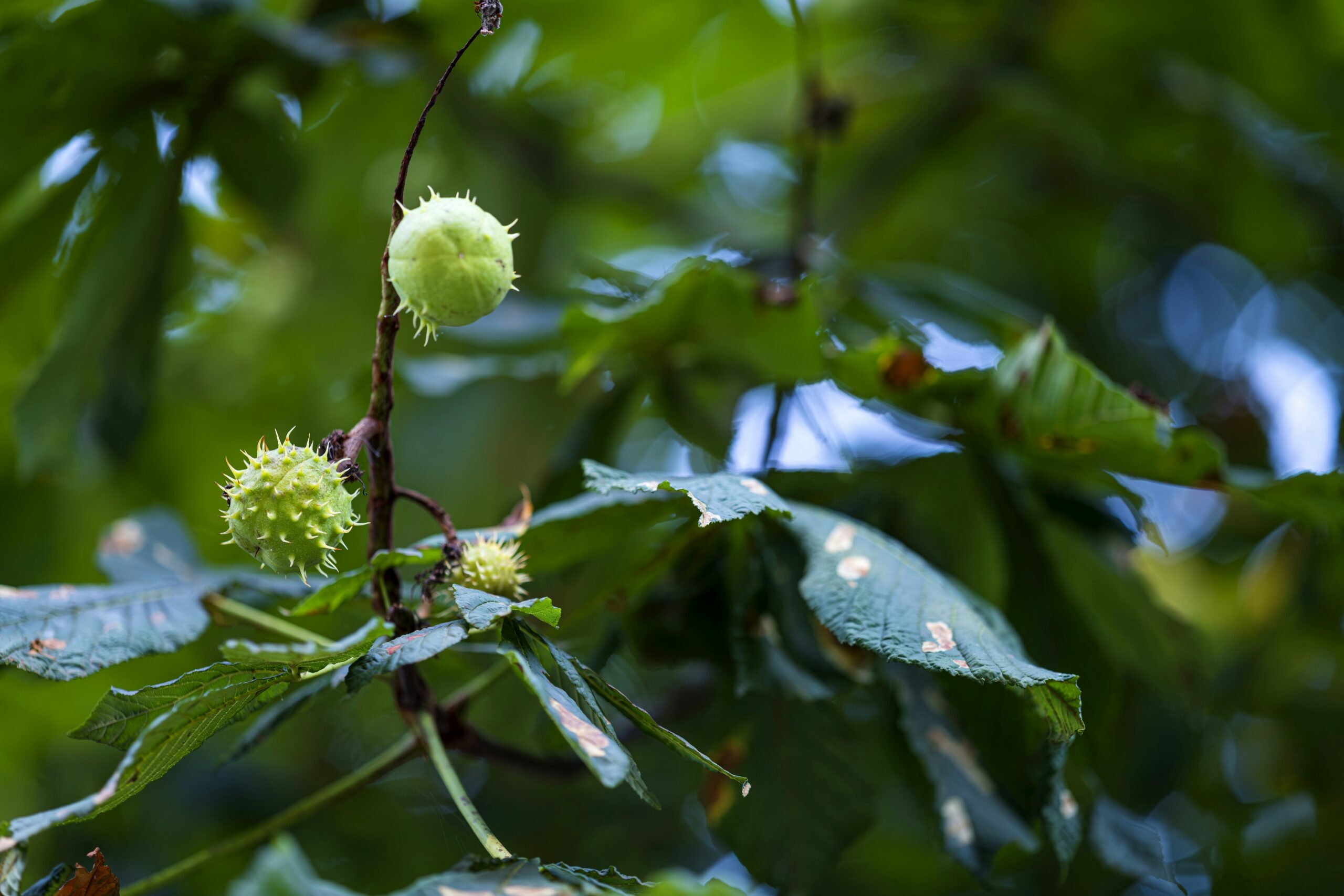

We have a frightfully bothersome chestnut tree hanging over our backyard. Every year, around late summertime, it drops hard, spiky, and inedible nut shells the size of golf balls. We can’t walk barefoot outside without speared toes.
But it gives quite a bit of shade and is technically city property, so there it stands.
When I was a kid, I spent a lot of time at the public school across the street from my home. It wasn’t my school, but it was the closest playground, surrounded by tennis courts, baseball diamonds, a grove of hazelnut trees, and two large willows. One of the willows had lower branches so hefty that sitting on them was as sturdy as sitting on a bench and climbing them was a breeze. There was an abundance of green space, shade, and space for imaginary adventures.
Now, I’m lucky to be raising my children in the same neighborhood, bringing them to the same park and the same willows.
The other day an elderly woman approached me, walking a friendly dog that my kids were eager to meet. She shared with us what our area looked like long before I was a child in it. The school, playground, baseball diamonds, and tennis courts used to be her family’s property. It was farmland, sprinkled with apple trees and chickens and the homes of her in-laws. Her family planted the hazelnut and willow trees.
In time, the city expropriated land for the school and chopped down the apple trees to make room for tennis courts. She expected the city to cull the other trees too, but two willows and a small patch of hazelnut trees remained.
She said it brings her joy every time she walks her dog and sees people picking hazelnuts or climbing willows. Thanks to the wisdom of those who planted them, and others who tended them, these trees continue to provide shade and joy for decades after those who planted them have passed on.
In the parable of the sower, Jesus describes the act of sharing the Gospel as sprinkling seeds, some falling on rocky ground, some falling on a path, some falling among thorns, and some falling on fertile soil. Each situation describes different ways people react to evangelism. Some don’t understand it, while some accept it quickly and then abandon it at the first signs of hardship. Others let their pride or greed get in the way, and others accept it.
For parents trying to raise their children in the good news of the Gospel, I imagine it’s a lot more like planting a tree. When you plant a tree, you hope to one day enjoy it. But often, these trees will outlive us. We can be encouraged that these trees will continue to provide shade and beauty to those who live there after you.
We do our best to instill good values, talk about God, read the Bible, memorize verses and prayers, and send our kids to religion classes and camps. We plant saplings and water them and hope for strong roots, large branches, and good fruit.
However, very little is up to us. Our children might cut down that tree or neglect it for some time. They might prune it too aggressively or struggle to give it the water and conditions it needs. After decades, they might wonder why you chose to plant a horse chestnut tree when they would have preferred something less prickly or more edible. We’re parents, not perfect.
But they may tend it carefully, encourage it to bear fruit, and enjoy its shade on oppressive summer days.
Not knowing what the future holds for the fertile ground in their homes, parents plant trees and hope for beautiful gardens. What children do with their tree is up to them, some gentle guidance, and the Holy Spirit whispering in the leaves.







