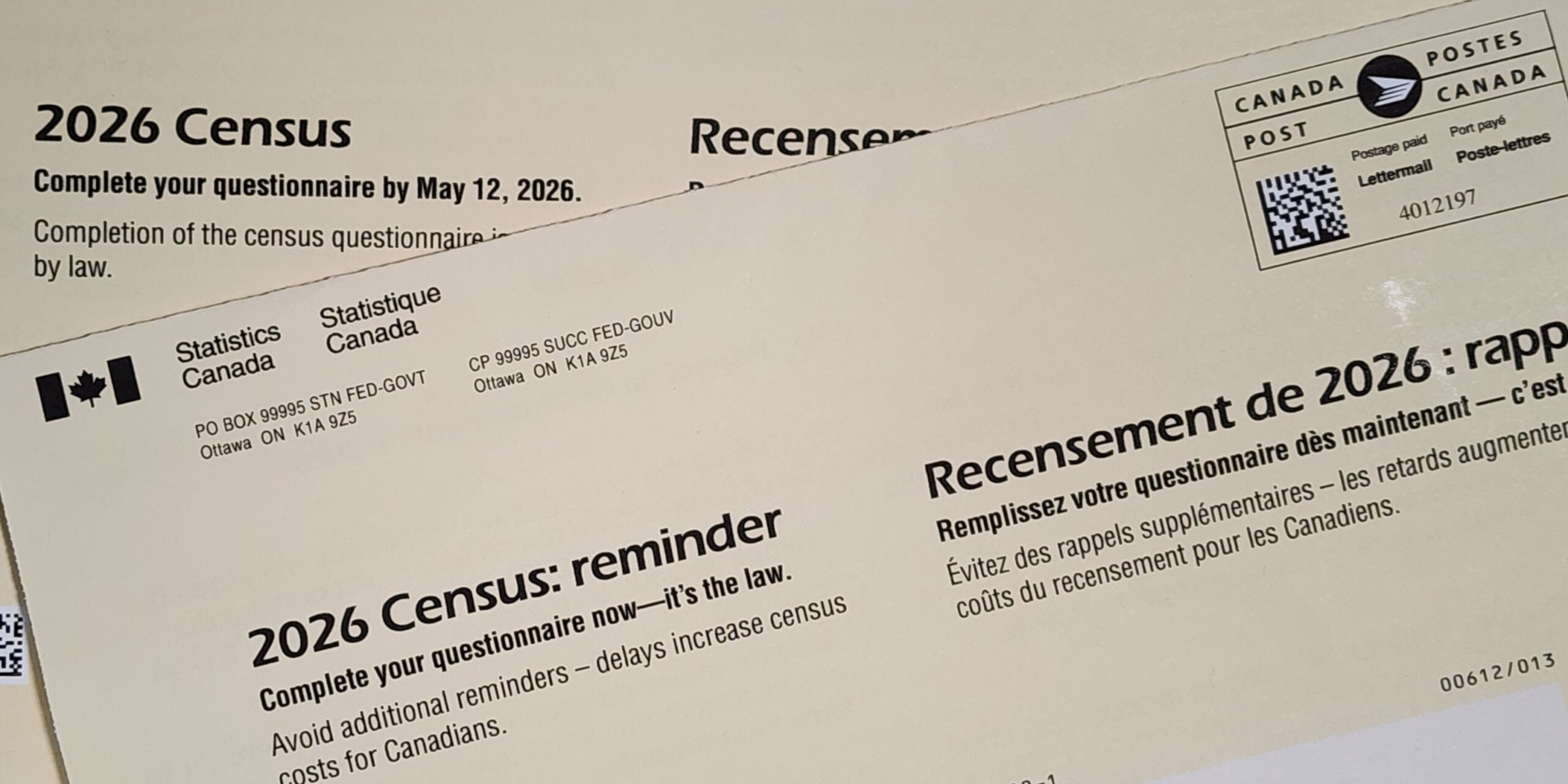

Many Canadians, myself included, have been uncomfortable poring over this year’s census, particularly the long form, with some of its uncomfortably personal, even intrusive, questions on identity, mental health, sexual orientation, homelessness, and personal finances.
Despite assurances from government, it’s hard these days to put complete faith in promises of confidentiality and security.
For context, however, it’s not as if the Canadian census only recently started exploring intimate areas of our lives. Look back at the 1976 Census of Canada and you’ll see deeply personal questions that are no longer asked, such as asking women how many babies they had ever borne alive, excluding stillbirths.
The census hasn’t been just a modest household head count for a long time.
But the state’s curiosity hasn’t appeared out of nowhere. It has grown alongside the size and priorities of government. The more pertinent issue is what government chooses to ask, and what it does not.
Why ask about the number of rooms in a home, but not whether the people in that home have a family doctor?
Why ask about commute times, but not health-care wait times?
Why ask whether someone has anxiety, depression, or substance-use disorder, but not whether they can actually access treatment?
Why not ask someone with a serious illness whether adequate palliative care was available before MAiD was discussed?
Governments don’t ask census questions merely for the benefit of Canadians. What they ask reveals what they believe matters most. The problem isn’t whether the census is intrusive, but whether government is willing to ask questions that aren’t necessarily in its political interests.
A similar thought came to me while covering the B.C. Supreme Court trial involving MAiD and St. Paul’s Hospital.
Much of the trial revolved around transfers and religious freedom. But the key realization for me from listening to weeks of testimony was the extraordinary degree to which Canada’s health-care system has prioritized the delivery of death.
The trial pulled back the curtain on the MAiD system — the bureaucrats, the memos, the efforts to promote MAiD, and the extent to which those advocating expanded MAiD access will go to ensure it is available at any time, in any place, including in Catholic facilities.
It was remarkable — impressive, even — during the trial to see the gusto that MAiD providers have for providing their services. Testimony described an expectation that urgent eligible MAiD cases be facilitated as quickly as possible, including during vacation time or after hours.
At one point during testimony came the striking line: “We go beyond … depending on the suffering … all of us will work on a weekend, or whatever we can do.”
Meanwhile, every Canadian knows someone who has faced delayed tests, postponed surgeries, or difficulty accessing ordinary care.
Which brings us back to the census.
What governments choose to ask, prioritize, fund, expedite, and urgently mobilize around reveals what they believe matters most.
Maybe we could take a page from the people who promote MAiD and make the same case for all the other health-care needs in Canada, where the waiting lists are often far longer — and far more lethal — than they are for MAiD.
-30-
Your voice matters! Join the conversation by submitting a Letter to the Editor here.