


The Acts of the Apostles was written by St. Luke as a direct continuation of his Gospel. The book was composed by a physician (cf. Colossians 4:14), and everything in it is medicine for the soul.
As noted by Theophylact of Ohrid, a major focus of Acts is the missionary work of Paul the Apostle. Since the book was written by Paul’s close companion, Luke the Evangelist, it reflects what Luke witnessed and recorded as most necessary for believers.
Theophylact (11th–12th century) was a Byzantine archbishop and biblical commentator best known for his clear and faithful explanations of Scripture, especially the Gospels and the Acts of the Apostles. Writing in the tradition of the Greek Fathers, such as John Chrysostom, he presents orthodox teaching in a pastoral and accessible way.
Theophylact highlights the apostles’ “condescension” (adaptability)—their Spirit-guided ability to present the faith gradually and appropriately to different audiences. Rather than immediately teaching Christ’s full divinity, they first emphasized his human life, suffering, resurrection, and ascension, since belief in the resurrection was the essential foundation. Once this was accepted, deeper doctrines could follow.
This gradual approach was necessary because both Jews and pagans would have struggled to accept Christ’s full divinity all at once, especially after the scandal of the Crucifixion. Even the disciples themselves had difficulty grasping higher teachings.
St. Luke begins the Acts of the Apostles with the statement: “In the first book, O Theophilus, I have dealt with all that Jesus began to do and teach” (Acts 1:1). Theophylact comments: “This refers to both His miracles and His teachings. Moreover, it highlights that He taught by doing, not merely instructing others to act while refraining Himself. By what He did, He urged others to imitate Him and pursue virtue.”
For 40 days after his resurrection, Jesus appeared to his disciples, teaching them about the Kingdom of God. The number 40 recalls Moses on Sinai receiving the law, Israel’s journey toward the Promised Land, and Jesus Himself spending 40 days in the desert before his public ministry. Each of these was a period of preparation for something greater. These 40 days were the apostles’ preparation for Pentecost.
Jesus commanded the apostles to remain in Jerusalem and await the coming of the Holy Spirit, preparing them before sending them out—just as soldiers are equipped before battle.
The apostles’ question in verse 6—“Lord, will you at this time restore the kingdom to Israel?”—is deeply human. Even after the Resurrection, they still expected a political or national restoration of Israel.
Christ gently redirected them. Rather than speculating about times and dates, they were to focus on their mission. He promised that they would receive power and become His witnesses to the ends of the earth, revealing the universal scope of the Gospel.
St. Josemaría Escrivá said: “Concern for souls is a response to a command of love given us by our Lord. As He goes up to heaven, Jesus sends us out as His witnesses throughout the whole world. Our responsibility is great, because to be Christ’s witness implies, first of all, that we should try to behave according to His doctrine, that we should struggle to make our actions remind others of Jesus.”
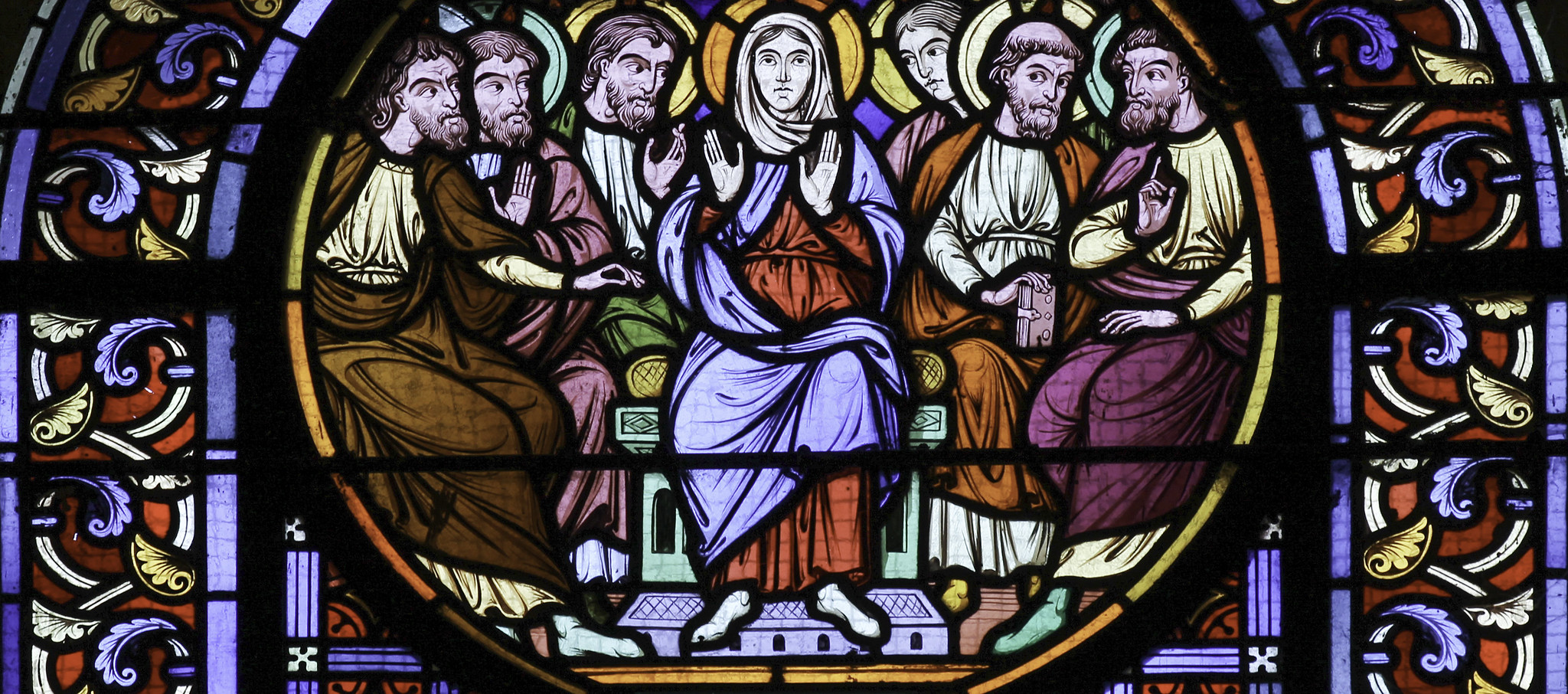
After the Ascension, the disciples returned to Jerusalem and gathered in the upper room. They were “with one accord devoted to prayer,” together with Mary, the Mother of Jesus (Acts 1:14).
St. John Paul II wrote: “Mary at Nazareth and Mary in the Upper Room at Jerusalem. In both cases her discreet yet essential presence indicates the path of ‘birth from the Holy Spirit.’ Thus she who is present in the mystery of Christ as Mother becomes—by the will of the Son and the power of the Holy Spirit—present in the mystery of the Church.”
Acts 1:15–26 explains how the apostles addressed the betrayal of Judas and restored their number by choosing St. Matthias.
The disciples prayed: “You, Lord, who know the hearts of all, show which one of these two you have chosen to take the place in this ministry and apostleship from which Judas turned aside to go to his own place” (Acts 1:24–25).
Theophylact comments: “Judas’ ‘own place’ was the consequence of his actions. As Matthias was destined for the apostolic place due to his worthiness, so Judas, consumed by greed and betrayal, built for himself a place of destruction. Just as deeds build places for the righteous, so too they build places for the wicked.”
Each person ultimately goes to their “own place,” shaped by their actions.
從晚餐廳到地極
「宗徒大事錄」是由聖路加撰寫,作為路加福音的直接延續。作者是一位醫生(參閱「哥羅森書」4:14),卷中一切內容都是治癒靈魂的良藥。
奧赫里德的狄奧非拉克(Theophylact of Ohrid 11–12 世紀)是一位拜占庭總主教與聖經註釋家,以其清晰而忠實的聖經講解著稱,尤其是四福音與宗徒大事錄。他承襲如金口聖若望等希臘教父的傳統,以牧靈而易懂的方式呈現正統信仰。
狄奧非拉克指出,宗徒大事錄的主要焦點之一是聖保祿的宣講使命,因為本書卷是由他的親密同伴聖路加撰寫,路加忠實陪伴保祿,並記錄了對信徒最必要的事。
他也強調宗徒們的「屈尊」(condescension,即牧靈的適應性):在聖神的引導下,他們能按不同聽眾的需要,循序漸進地呈現信仰真理。他們並非一開始就講論基督的全部天主性,而是先強調祂的人性生活、受難、復活與升天,因為對復活的信德是最根本的基礎;一旦這被接受,更深的教義才能逐步展開。
這種漸進方式是必要的,因為無論猶太人或外邦人,都難以在十字架的醜聞之後立刻接受基督的全部天主性。甚至宗徒們自己也難以立即理解更高深的教導。
聖路加在宗徒大事錄開端寫道:「德敖斐羅!我在第一部書中,已論及耶穌所行所教的一切。」(宗 1:1)狄奧非拉克評論說:「這既指祂的奇蹟,也指祂的教導。此外,這也強調祂是以行動來教導,而不是只命令人行善而自己不做。祂以自己的行為敦促他人效法祂,追求德行。」
耶穌在復活後四十天內顯現給門徒,向他們講論天主的國。四十這個數字讓人想起梅瑟在西乃山領受法律、以色列走向預許之地的旅程,以及耶穌在公開生活前於曠野四十天的試探。這些都是為更偉大使命作準備的時期;同樣,這四十天也是宗徒們為五旬節作的準備。
耶穌吩咐宗徒留在耶路撒冷,等待聖神的降臨,先裝備他們,再派遣他們出去—就像士兵在上陣前必須先受訓裝備。
宗徒們在第6節的問題:「主,是此時要給以色列復興國家嗎?」(宗 1:6)這是非常人性的反應。即使在復活之後,他們仍期待以色列政治或民族性的復興。
基督溫柔地糾正他們:不要猜測時日,而要專注於使命。祂許諾他們將領受能力,成為祂的見證,直到地極,顯示福音具有普世性。
聖施禮華曾說:「對靈魂的關懷,是我們對主的愛的命令所作出的回應。當祂升天時,耶穌派遣我們作祂在全世界的見證人。這責任重大,因為作基督的見證人首先意味著努力按照祂的教導生活,使我們的行為能讓他人想起耶穌。」
升天後,門徒返回耶路撒冷,聚集在樓廳裡。他們「同心合意地專務祈禱」,並與耶穌的母親瑪利亞在一起。(宗 1:14)
聖若望保祿二世寫道:「納匝肋的瑪利亞與耶路撒冷樓廳裡的瑪利亞—在這兩個時刻,她那低調卻不可或缺的臨在,都指出了『由聖神誕生』的道路。她在基督的奧跡中以母親的身分臨在,也因聖子的旨意與聖神的力量,在教會的奧跡中臨在。」
宗徒大事錄1:15–26 講述宗徒們如何面對猶達斯的背叛,並透過選立瑪弟亞來恢復十二人的數目。
門徒祈禱說:「主,你認識眾人的心,求你指示,這兩個人中,你揀選了那一個,使他取得這職務的地位,即宗徒的職位,因為猶達斯放棄了這職位,去了他自己的地方。」(宗 1:24–25)
狄奧非拉克評論:「猶達斯的『自己的地方』是他行為的後果。正如瑪弟亞因其德行而被預定為宗徒之位,同樣,猶達斯因貪婪與背叛,為自己建造了一個滅亡之地。正如善人的行為為他們建造光榮之所,惡人的行為也為自己建造毀滅之所。」
最終,每個人都走向由自己的行為所塑造的「自己的地方」。
Your voice matters! Join the conversation by submitting a Letter to the Editor here.







