

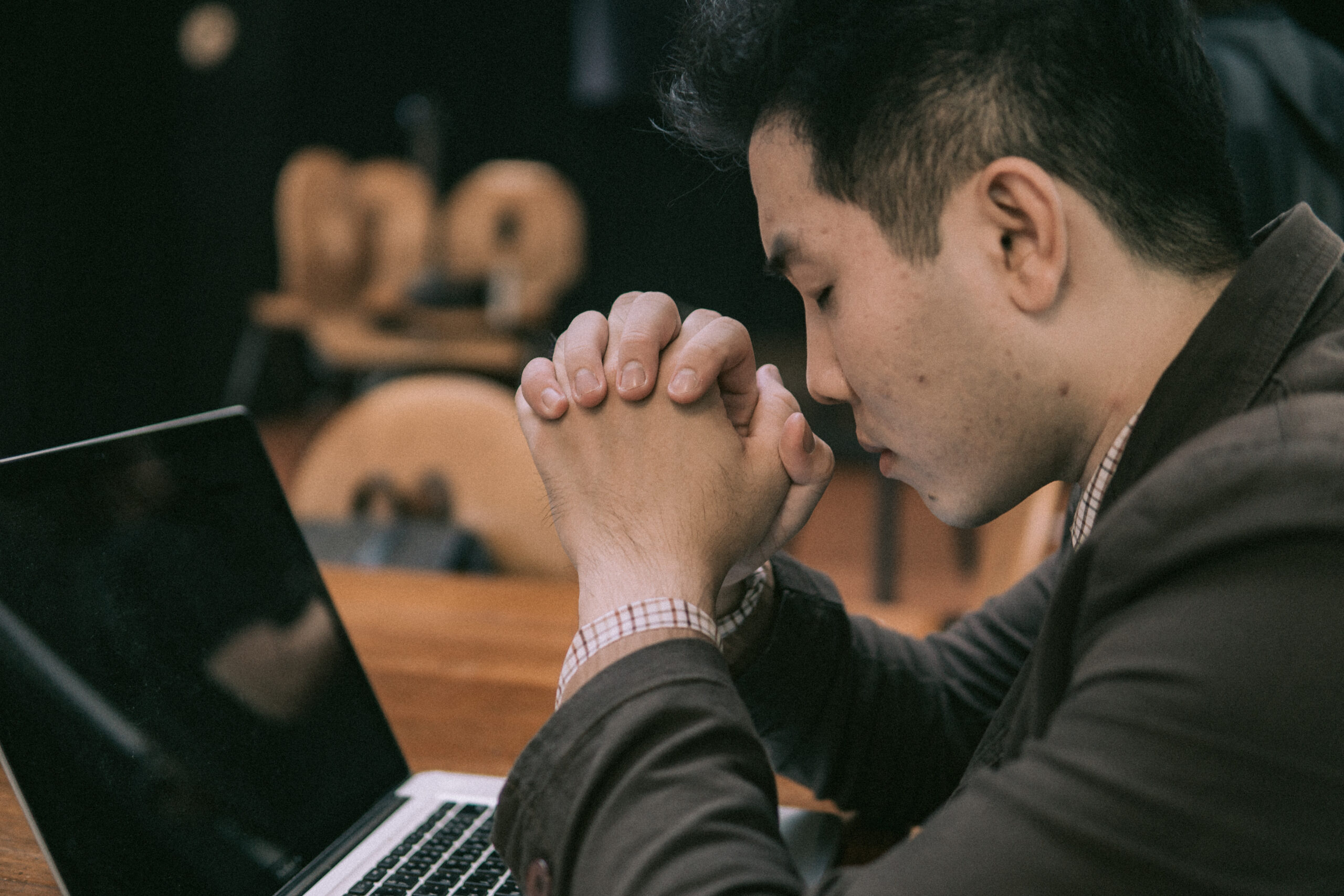

Chapters 4–7 of Lorenzo Scupoli’s Path to Paradise address what genuine surrender to God actually requires: the embrace of suffering, the renunciation of self-will, the cultivation of silence, and abandonment to divine providence.
Chapter 4 presents a challenging yet profound teaching: the soul must not merely tolerate suffering and contempt but come to accept them as precious occasions for spiritual growth. This teaching echoes that of St. John Chrysostom, who frequently emphasized that nothing advances the spiritual life so much as patient endurance, recalling the words of Christ: “He who endures to the end will be saved.” (Mt 24:13)
Centuries later, St. Francis of Assisi expressed a similar insight, teaching that among the greatest gifts Christ grants to his friends is the grace to conquer oneself and to accept sufferings, insults, and humiliations for love of him.
The embrace of suffering is inseparable from distrust of self. Scupoli insists that the soul’s greatest enemy is its own will, judgment, and apparent zeal – even when these wear the clothing of virtue. The early Desert Fathers likewise warned against excessive confidence in oneself; one elder observed that self-reliance easily becomes the root of many passions.
St. Thomas Aquinas distinguished between ordered self-love, which is the foundation of virtue, and disordered self-love, which lies at the root of sin. In the same spirit, St. Teresa of Avila repeatedly counsels souls to mistrust their own strength and to remain humble before God, recognizing their weakness and constant need for grace.
At the core of these chapters lies the ideal of holy indifference: a disposition so free from self-will that the soul remains at peace whether its desires are fulfilled or frustrated, whether prayer is sweet or dry, whether God consoles or withholds consolation. St. Francis de Sales taught that true abandonment receives everything that God permits – consolations and desolations, sweetness and bitterness – with the same peaceful trust in divine providence.
This attitude of surrender is beautifully expressed by Jean-Pierre de Caussade in Abandonment to Divine Providence, where he teaches that the present moment always carries within it the hidden action of God. The soul that abandons itself to God learns to receive each moment as a messenger of his will.
Christ in Gethsemane is the definitive model of this surrender. his prayer, “Not my will, but thine be done” (Lk 22:42), becomes both the pattern and the heart of Christian prayer.
In Chapter 5, Scupoli writes that the soul must continually direct its desires toward the coming of the Lord, who does not easily visit a heart crowded with its own thoughts and attachments. A soul becomes truly receptive to God when it is emptied of restless desires and self-seeking.
St. Teresa of Avila teaches a similar principle: the more the soul detaches itself from created things and gives itself entirely to God, the more abundantly God communicates his grace.
Silence and interior recollection are therefore indispensable. The Catechism of the Catholic Church describes contemplative prayer as a “silent love” in which the Father speaks his incarnate Word (CCC 2717). A monk said, “Silence is God’s first language; everything else is a poor translation.”
St. John Paul II repeatedly emphasized that the new evangelization cannot be sustained merely by programs or techniques. It requires a renewed culture of contemplation in which Christians first learn to listen to Christ before attempting to speak about him. What the Church needs most are witnesses transformed by encounter with Christ, not merely activists sustained by willpower.
Chapter 6 therefore reminds us that apostolic fruitfulness is not in competition with the interior life but entirely dependent upon it. Christ himself teaches: “Without me you can do nothing.” (Jn 15:5) St. Thomas Aquinas likewise taught that the “mixed life,” in which contemplation directs action, is the most perfect form of Christian life.
Finally, Chapter 7 leads to the summit of these teachings: abandonment to divine providence. The soul must cast itself without reservation into the ocean of God’s will, surrendering anxiety about its own progress, its preferred methods of prayer, and the visible success of its efforts.
The path to interior peace is therefore not the path of self-achievement but of self-emptying – a gradual and patient dispossession of everything that is not God. Only then can the soul become a vessel ready to be filled with him alone.
Your voice matters! Join the conversation by submitting a Letter to the Editor here.
虛己以成全:苦難、捨己與天主的上智的安排
羅倫佐斯庫波里(Lorenzo Scupoli)的「邁向天堂之路」(Path to Paradise)第4至第7章探討了真正向天主交付自我所需的條件:擁抱苦難、捨棄自我意志、培養內在的靜默,以及全然交託於天主的眷顧。
第四章提出一項既具挑戰性又深刻的教導:靈魂不僅要擁抱苦難與受人輕現,更要將其視為促進靈性成長的珍貴契機而欣然接受。這與金口聖若望 (St. John Chrysostom) 的教導相呼應 – 他常強調,他多次強調,在靈修道路上,沒有什麼比耐心的堅忍更能使人進步;他引用基督的話說:「惟獨堅持到底的,纔可得救。」(瑪 24:13)
聖方濟亞西西(St. Francis of Assisi) 在數個世紀後以同樣的靈修洞見作出呼應:基督賜給祂朋友的最大恩寵之一,就是戰勝自我,並為愛祂而甘願接受苦難、侮辱與羞辱。
擁抱苦難與不信賴自我密不可分。斯庫波里神父強調,靈魂最大的敵人正是自己的意志、判斷與表面上的熱心 – 即使這些看似披著德行的外衣。早期的沙漠教父同樣警告人們不要過度信賴自己;有位長老指出,自恃往往成為諸多惡習的根源。
聖多瑪斯亞奎納(St. Thomas Aquinas)區分了有序的自愛 – 德行的基礎,與無序的自愛 – 罪惡的根源。同樣地,聖女大德蘭(St. Teresa of Ávila) 不斷勸勉靈魂不要依賴自己的力量,要在天主前保持謙卑,承認自己的軟弱與對恩寵的持續需要。
這幾章的核心是「聖意無偏」:靈魂完全擺脫自我意志的束縛,無論欲望被滿足或受挫、祈禱甘飴或枯乾、天主安慰或撤回安慰,都能保持平安,信賴天主的照顧。聖方濟沙雷(St. Francis de Sales) 教導說,真正的交託能以同樣平靜的信賴接受天主所允許的一切 – 安慰與荒涼、甘甜與苦澀 – 因為一切都在天主的護佑之中。
這種交托的精神在德科薩德神父(Jean-Pierre de Caussade)的「順從天主聖意」(Abandonment to Divine Providence)中表達得極為優美。他教導說,每一個當下都蘊含著天主隱密的行動;將自己交託給天主的靈魂,學會把每一刻都當作祂旨意的使者來接受。
在革責瑪尼園中,基督展現了這種交托的最高典範。祂的祈禱 – 「但不要隨我的意願,惟照你的意願成就罷!」(路 22:42)- 成為基督徒祈禱的模式與核心。
在第5章中,斯庫波里神父寫道,靈魂必須不斷將自己的渴望指向主的來臨;主不容易造訪一顆被自身思緒與執著塞滿的心。當靈魂從不安的欲望與自我追求中虛空自己時,才真正能充滿天主。
聖女大德蘭也教導類似的原則:靈魂越是從受造物中抽離,並將自己完全交給天主,天主便越豐富地將祂的恩寵傾注於其中。
因此,沉默與內在的心神收攝是不可或缺。「天主教教理」將默觀祈禱描述為「在沉默中的愛」,在其中聖父向靈魂說出祂的聖言(教理 2717)。一位修士曾說:「沉默是天主的第一語言,其餘的一切都是拙劣的翻譯。」
聖若望保祿二世(St. John Paul II) 也多次強調:新福傳不能僅靠計畫或技巧,而需要重新建立一種默觀的文化,使基督徒在開口宣講之前,先學會聆聽基督。教會最需要的是因與基督相遇而被轉化的見證者,而不是僅靠意志力支撐的行動者。
因此,第6章提醒我們:宗徒工作的成果並不與內在生活競爭,而是完全依賴於內修生活。基督親自教導:「因為離了我,你們什麼也不能作。」(若 15:5)。聖多瑪斯也教導亞奎納也教導說,由默觀引導行動的「混合生活」是基督徒最完美的生活。
最後,第7章帶領我們走向這些教導的高峰:完全交托天主神聖的照顧。靈魂必須毫無保留地投身於天主旨意的海洋中,放下對自堂內修進展的焦慮、對祈禱方式的偏好,以及對可見成果的執著。
通往內心平安的道路,不是自我成就的道路,而是自我空虛的道路 – 逐步而耐心地捨棄所有不是天主的事物。唯有如此,靈魂才能成為一個只為天主而預備、能被祂完全充滿的器皿。
Your voice matters! Join the conversation by submitting a Letter to the Editor here.







