

A striking convergence of events connected to health care is unfolding in British Columbia, with legal, liturgical, and pastoral elements intersecting.
At the centre is a B.C. Supreme Court trial in Vancouver examining whether religious hospitals can be required to allow practices on their premises that conflict with their moral convictions. The case raises questions that go beyond law and policy, potentially touching on the future shape of Catholic health care in Canada.
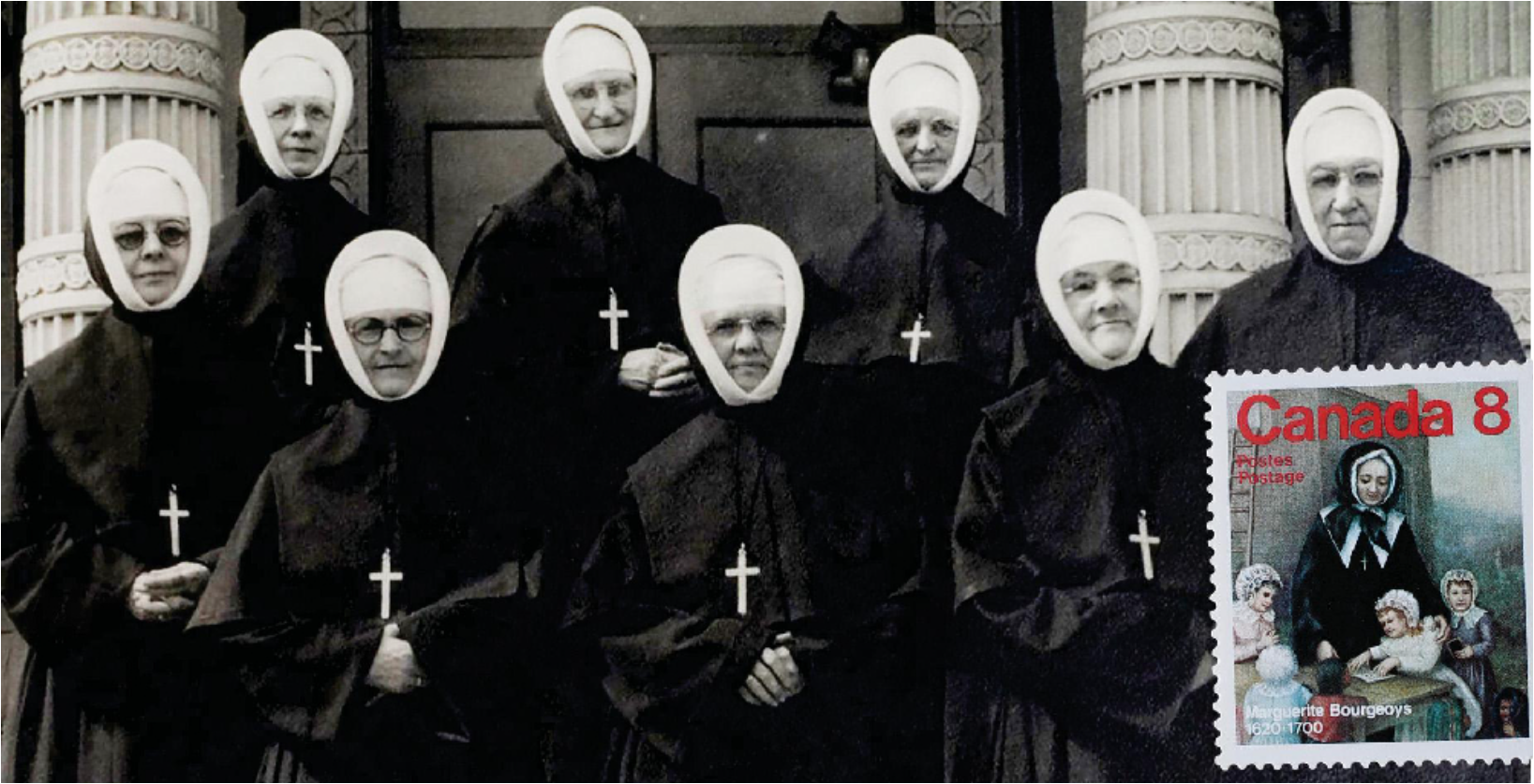
The trial began on Monday, Jan. 19, propitiously the feast of St. Marguerite Bourgeoys, one of the earliest figures associated with Catholic care for the sick in what would become Canada. Through her Congregation of Notre Dame, Marguerite and her sisters brought care directly to the ill and vulnerable in 17th-century Montreal, long before formal health systems existed. Their work reflected a missionary model rooted in the Visitation, going out to meet people where they were, especially the sick and the poor.
Depending on the outcome of the trial, that model of care grounded less in brick-and-mortar institutions and more on service could again become a prominent feature of Catholic health ministry, even as Catholic hospitals continue to operate within public systems.

The new St. Paul’s Hospital, shown under construction, will mark a new chapter in Catholic health care in Vancouver. (Providence Health Care photo)
The trial is expected to conclude Feb. 6. Just days later, on Feb. 11, the Church observes the World Day of the Sick, which coincides with the Feast of Our Lady of Lourdes, a date chosen by St. John Paul II because of Lourdes’ longstanding association with healing and care for the ill.
Following the Marian apparitions in 1858 and the arrival of thousands of sick pilgrims each year, the Church moved beyond informal charity to a system of medical volunteers, including doctors, nurses, religious sisters, and trained lay caregivers, who provided care. The result was one of the earliest large-scale models of pastoral health care, focusing on compassion, accompaniment, and the dignity of the suffering person. It was that understanding of health care as an expression of mercy that John Paul II drew on when he established the World Day of the Sick.
The week after the Feast of Our Lady of Lourdes comes Ash Wednesday, which similarly reminds us of human frailty and mortality.
It is in the midst of these moments that National Catholic Health Care Week arrives, when Catholics across Canada are invited to reflect on a tradition shaped by the Church’s healing ministry. Reflected in a post-Jubilee theme of “Open Hearts, Healing, Hope,” the tradition has been defined less by bricks and mortar than by what John Paul II described as making present “the merciful love of God through the care and closeness of others.”
This year’s observance comes at a moment of transition in British Columbia. Construction continues on the new St. Paul’s Hospital, which will replace the existing facility with a state-of-the-art 548-bed teaching and research hospital that will house provincial programs in heart and lung care, transplants, renal care, mental health, addictions, Indigenous health, emergency and critical care, and chronic disease management.
Adjacent to the hospital, the Clinical Support and Research Centre, slated for completion later in the decade, will bring together research laboratories, clinical trials infrastructure, innovation space, and specialty practices, helping move discoveries more quickly into patient care.
These nearly $3-billion projects point toward an institutional aspect of the future of Catholic health care in the province.
At the same time, other structures are changing. After 85 years of service, the Catholic Health Association of British Columbia has concluded its operations, with many of its responsibilities and resources now conducted by the Archdiocese of Vancouver.
For some, the winding down of CHABC may feel like a loss, particularly at a time when health care presents complex moral, professional, and pastoral challenges. Yet the history of Catholic health care in Canada suggests a broader perspective is necessary.
From its earliest days, Catholic health care in Canada has been shaped through discerning and adapting. Catholic individuals and religious congregations brought health care and established hospitals, nursing schools, and care homes when no public system existed.
As public systems developed, Catholic institutions did not disappear but found ways to work within new structures while holding fast to their identity and purpose.
At different moments, Catholic health care has had to rethink its delivery because of changing circumstances. Catholic health care is ultimately about people, not institutions, and the Catholic social teaching principle of subsidiarity reminds us that responsibilities should be carried at the level best suited to them. In health care, that principle has helped Catholic ministry respond through generations of social and political change.
On these pages, and in the weeks ahead, The B.C. Catholic explores various aspects of that living tradition: the history of Catholic health care in Canada and British Columbia, the witness of religious congregations who were behind it, moments when Catholic health care stepped forward as others hesitated, and how clinicians, chaplains, and caregivers today continue Christ’s healing work.
Together, these stories tell a consistent account of bringing the merciful love of God to others, a mission that has remained unshaken.
Catholic health care in Canada: from mission hospitals to modern systems
Catholic health care in Canada didn’t begin as a supplement to public services. It began long before a public health-care system existed at all, shaped by religious communities who understood care for the sick as part of their Christian duty — an expression of charity and of the Church’s long tradition of the corporal works of mercy.
The first Catholic hospital in what is now Canada opened in 1639, when the Augustinian Sisters established the Hôtel-Dieu de Québec. Its purpose was simple but ambitious: to care for settlers, Indigenous peoples, and the poor in a colony with few organized medical resources. From the beginning, this work was understood not merely as social service, but as a concrete response to Christ’s call to care for the sick. That early effort set a pattern that would repeat itself across the country for centuries. Catholic health care grew not out of centralized planning, but out of repeated responses to need — epidemics, frontier conditions, poverty, and social exclusion.
In the 17th and 18th centuries, religious women were at the centre of this work. They nursed the sick, assisted with childbirth, cared for the dying, and supported families in isolated communities. Much of this care happened outside any formal institution. Sisters worked in homes, on ships, and in settlements where hospitals were impractical or simply didn’t exist. This ministry reflected a distinctly Catholic understanding of care: that the sick person was not simply a patient, but a neighbour to be accompanied, and that tending the body could not be separated from respect for human dignity.

Alongside hospitals, Catholic health care in Canada also developed through community-based forms of service that did not depend on large facilities. The Congregation of Notre Dame, founded by St. Marguerite Bourgeoys in 17th-century Montreal, is one example. From the beginning, the congregation emphasized an “uncloistered” ministry that brought care directly into communities. Sisters assisted the sick, acted as midwives and caregivers, and supported families who had little or no access to medical services. That tradition later extended westward, including into British Columbia, where members of the congregation were active in parish life and in visiting the sick and shut-ins in communities such as Nelson, Trail, and Kelowna — places where Catholic care was often expressed less through hospitals than through sustained presence in homes, parishes, and small communities without extensive health institutions.
As Canada expanded in the 19th century, Catholic health care expanded with it. Immigration, industrial growth, and urbanization placed new demands on already limited social supports. Religious orders responded by founding hospitals, infirmaries, and care homes in both growing cities and remote regions. These institutions often became the first organized centres of medical care in their communities, serving workers, newcomers, and those unable to pay. For the religious communities involved, this work was understood as a vocation — a way of living out their faith through sustained service to those on the margins.
The scale of this work is easy to underestimate. Over the centuries, hundreds of Catholic health institutions were established across Canada. They included general hospitals, tuberculosis sanatoria, nursing schools, orphanages, leprosaria, and long-term-care homes. Some were large urban hospitals; others were modest facilities serving frontier towns or mining communities. In many cases, religious women staffed and operated these institutions almost entirely in their early years, often relying on donations and modest resources, motivated by a conviction that no one should be denied care because of poverty or social status.
In British Columbia, Catholic health care developed alongside the province’s rapid growth and unique geographic challenges. Religious congregations established hospitals and care facilities in places such as Victoria, New Westminster, Kamloops, Comox, and Fort St. John — often before provincial health infrastructure was fully in place. In Vancouver, the arrival of the Sisters of Charity of Providence in the late 19th century led to the founding of St. Paul’s Hospital in 1894, an institution that would become central to the city’s health-care system and later form the cornerstone of what is now Providence Health Care. For many communities, these Catholic institutions provided the only reliable source of organized medical care for years, sometimes decades.
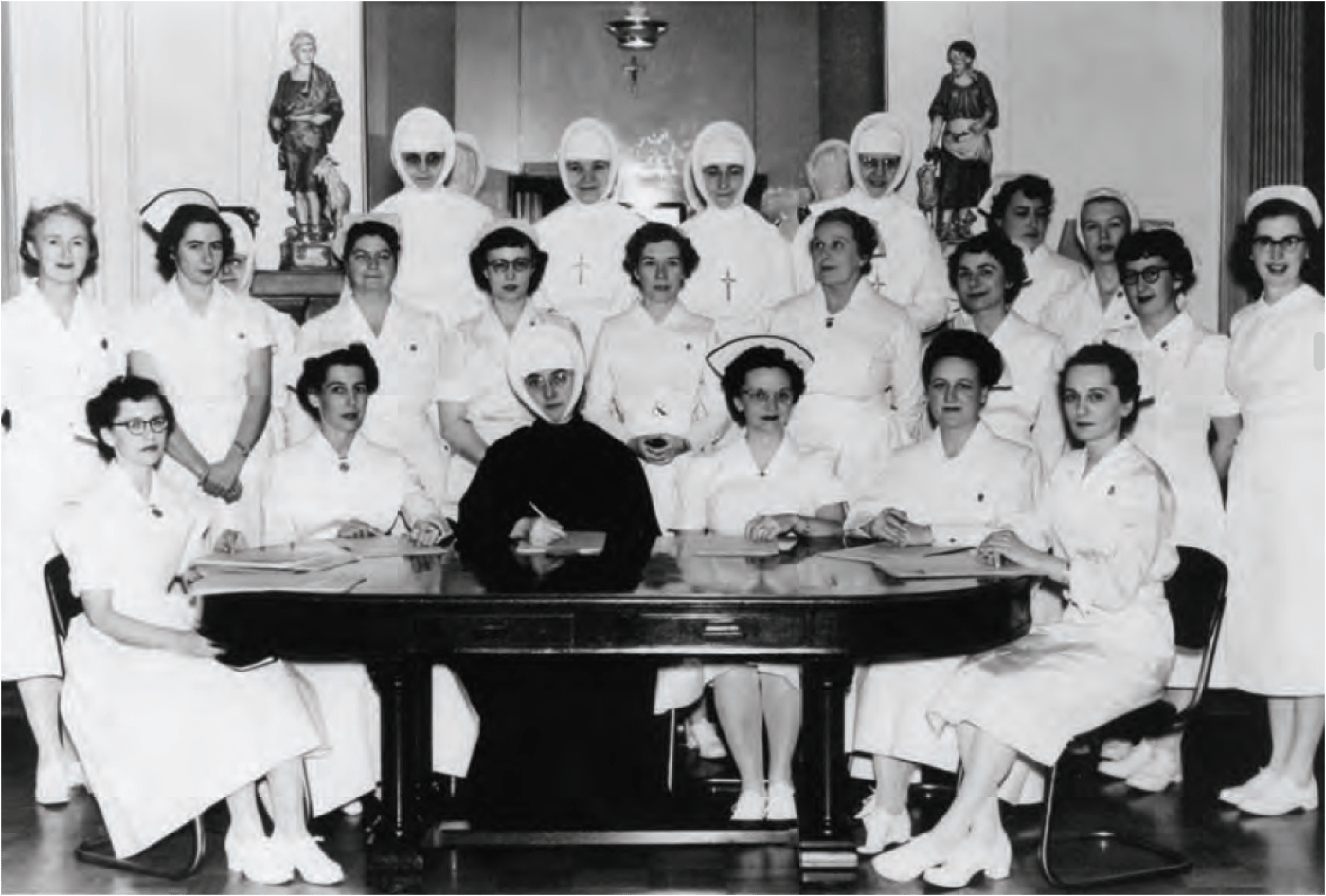
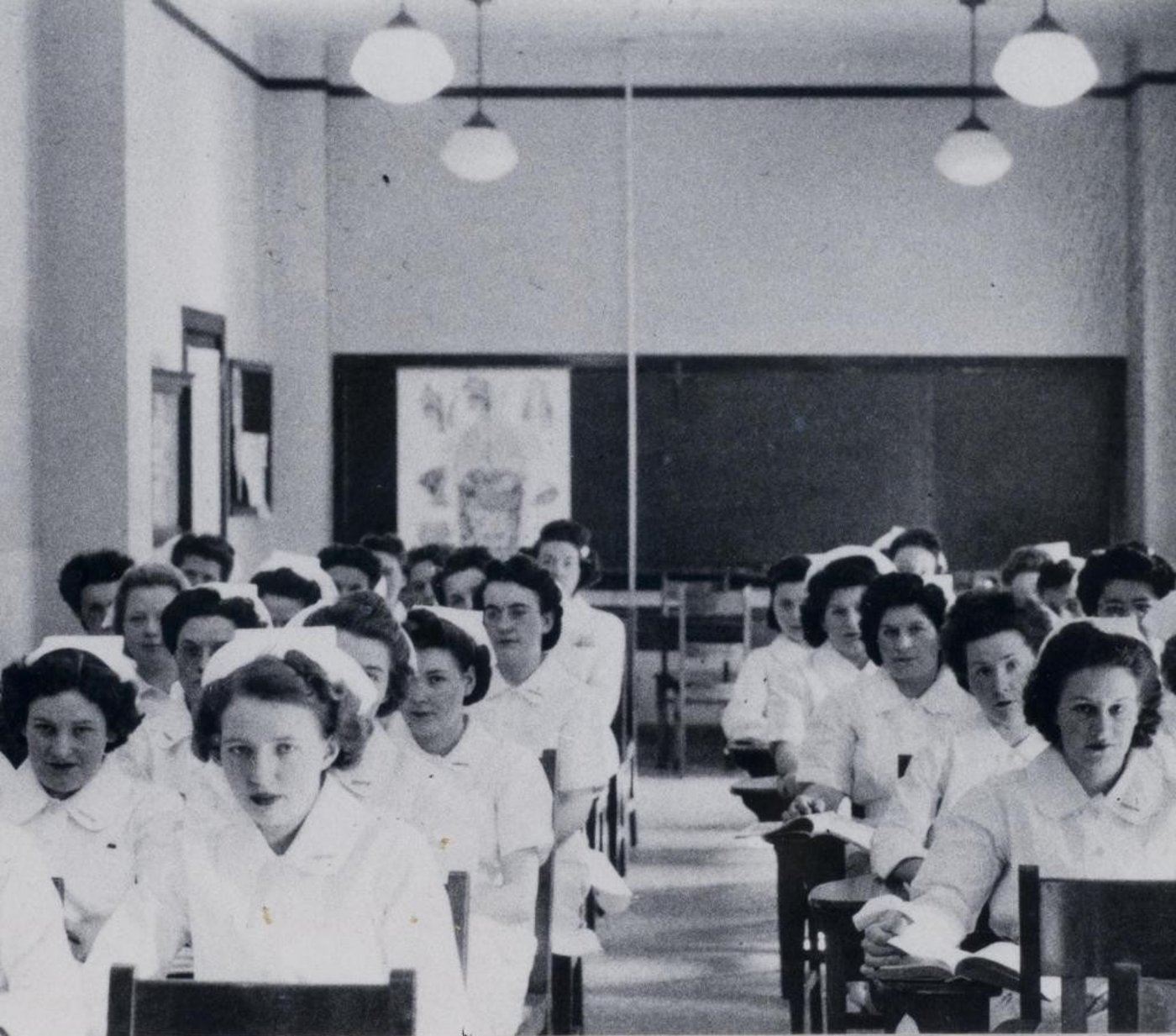
As elsewhere in Canada, Catholic health care in B.C. followed a familiar pattern: a commitment to serve those most in need, an emphasis on compassion rooted in faith, and flexibility in responding to changing circumstances. Care extended beyond acute treatment to include nursing education — such as early nurse-training programs associated with Catholic hospitals in Vancouver — charity care, including food and medical assistance provided during periods like the Great Depression, and outreach to vulnerable populations, most notably during the early years of the AIDS crisis, when Catholic institutions in Vancouver, led by St. Paul’s Hospital, provided care at a time when many others would not.
Over time, Catholic health care in the province became more closely integrated into publicly funded systems. The introduction of provincial health insurance and, later, regional health authorities changed how care was delivered and financed. Catholic hospitals entered into agreements that allowed them to continue operating while meeting public standards and accountability requirements. These arrangements required ongoing balancing between professional obligations, public expectations, and the preservation of a faith-based mission grounded in respect for life and human dignity.
Alongside hospitals and care facilities, Catholic health care in British Columbia also included parish-based and community ministries. Religious congregations emphasized visitation, accompaniment, and sustained presence, ensuring that Catholic involvement in health and healing was not limited to institutional ownership alone. That same spirit continues today in the work of Providence Health Care, which combines acute care, long-term care, hospice services, and community-based programs, including outreach in Vancouver’s Downtown Eastside.
As medicine advanced in the 20th century, Catholic health institutions did not stand still. Many became sites of innovation and specialization, adopting new standards of professional training, introducing modern equipment, and expanding services to meet emerging needs — including milestones such as the opening of Canada’s first intensive care unit at St. Paul’s Hospital and the early adoption of computerized laboratory systems that later became standard across the country. These developments were generally embraced as part of a belief that excellence in care was itself a moral responsibility.
At the same time, Catholic health care remained closely tied to people who were poorly served elsewhere. During periods of economic hardship, including the Great Depression, Catholic hospitals and related ministries provided food, shelter, and medical care to people with few other supports. In later decades, Catholic institutions were often among the first to respond to new public health challenges, including infectious diseases and chronic illnesses linked to poverty, stigma, and social marginalization — particularly in urban neighbourhoods such as Vancouver’s Downtown Eastside, where Catholic providers have long combined medical care with sustained social outreach.
These responses were not isolated acts of charity. They reflected a consistent pattern: when existing systems failed to reach certain groups, Catholic providers stepped in, guided by a conviction that care for the vulnerable is not optional, but integral to the Church’s mission.

Catholic health care in Canada never developed as a single centralized system. Instead, it grew as a decentralized network of institutions and ministries connected by shared faith and moral principles rather than uniform governance. Different religious orders brought distinct charisms and approaches to care, shaped by local needs and circumstances.
That decentralization proved to be a strength. Catholic health care in Canada has never depended on one organizational model or one historical moment. Institutions were founded, expanded, merged, or concluded as circumstances required. Some hospitals became part of larger public systems; others transitioned into long-term care, hospice services, or community-based ministries. In each case, structures changed so that the underlying mission could continue.
Across all these changes, what endured was a shared understanding of health care as a work of mercy — rooted in human dignity, solidarity, and service to those most in need. That understanding allowed Catholic health care to remain present through dramatic social, medical, and political change.
Looking back over nearly four centuries, the history of Catholic health care in Canada doesn’t fit a simple story of growth or decline. Instead, it tells a story of responsiveness. Structures changed. Governance evolved. Partnerships shifted. But the commitment to serve the sick and vulnerable endured.
As National Catholic Health Care Week is observed, that long view offers perspective. Catholic health care in Canada has always adapted to real human needs, reshaping its institutions and ministries as circumstances required. Its history points to resilience sustained by faith, by service, and by a continuing willingness to place care of the human person at the centre of health and healing.

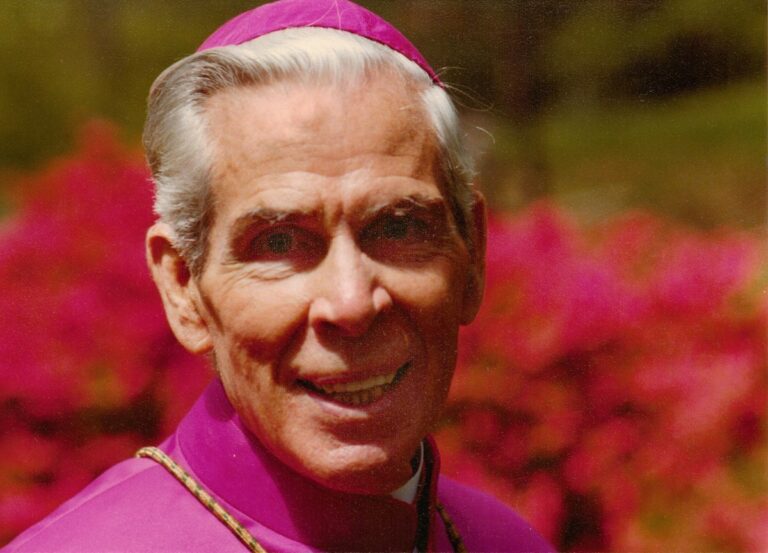
Archbishop Smith reflects on Catholic Health Care Week
As Catholics across the country observe National Catholic Health Care Week, Archbishop Richard Smith has invited the faithful to pause in gratitude and reflection for the Church’s healing ministry.
In a message marking the week, Archbishop Smith said the theme, “Open Hearts, Healing, Hope,” serves as a reminder that healing is never merely clinical. Catholic health care, he said, flows directly from the healing ministry of Jesus, who sought out the sick, the suffering, and those pushed to the margins, restoring not only physical health but also dignity, belonging, and hope.
From its earliest beginnings, the Archbishop noted, Catholic health care has been a concrete expression of the Gospel in action. For generations, women and men have responded to Christ’s call to care for the whole person, particularly the poor, the vulnerable, and those most in need.
He said that legacy remains a source of gratitude and encouragement today, especially for those serving on the front lines of care.
The theme of Catholic Health Care Week, Archbishop Smith added, also reflects a shared national priority: fostering communities of welcome for all. Inspired by Catholic social teaching, he said, Catholics are invited to reflect on how daily actions and decisions help build a health system and society where every person is valued and no one is excluded.
“To all who serve in Catholic health care, I offer my heartfelt thanks,” the Archbishop said. “Your open hearts bring healing. Your faithfulness sustains hope. And your witness continues to show what it means to serve.”
Your voice matters! Join the conversation by submitting a Letter to the Editor here.