

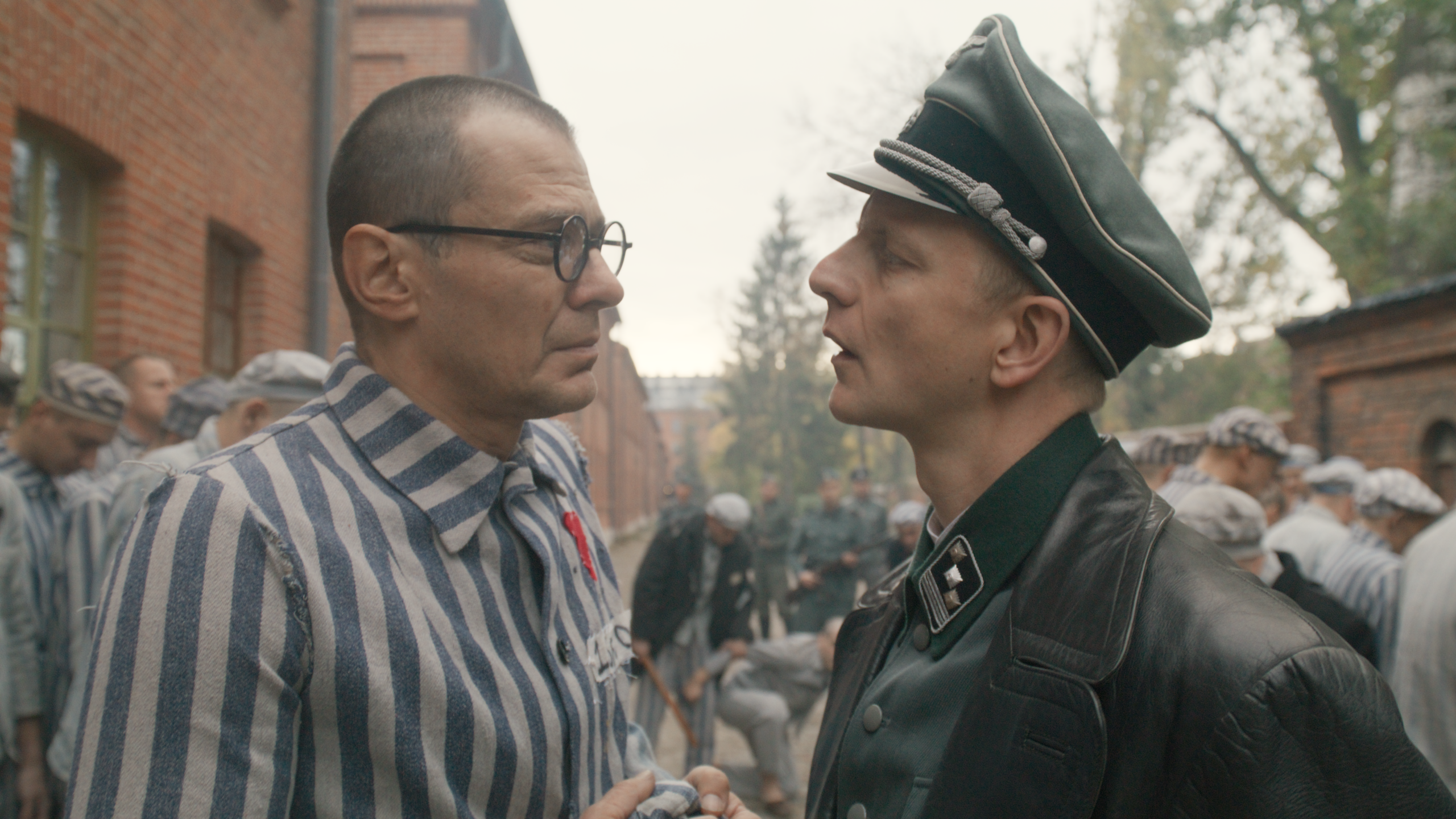

Lorenzo Scupoli’s The Spiritual Combat devotes chapter 14 to the painful experience in which the soul feels overwhelmed by temptation. He describes moments when the lower faculties—imagination, emotions, and the sensitive appetites—become so violently stirred that the rational will appears paralyzed.
Yet Scupoli insists that despite such inner turmoil, the superior will remains free and capable of resisting. No matter how agitated the passions become, the Christian retains the capacity to choose God.
The Catechism teaches the same truth: the moral character of an action is determined not by the presence of disordered impulses but by whether the will gives deliberate consent to them. Even when “passions” disturb the lower faculties, they do not remove our freedom to choose the good.
Scupoli offers several practical counsels for these moments of spiritual assault. First, he urges the Christian to continue resisting, even if the resistance feels weak and ineffective; such perseverance is already an act of fidelity. Second, he advises the use of vocal prayer when interior recollection seems impossible – because even a whispered “Lord, help me” is an act of the will choosing God. Third, he consoles the struggler with the assurance that no sin is committed without freely given consent. Finally, he teaches that these intense inner battles, when endured with trust in God, become powerful occasions of spiritual growth.
St. Maximus the Confessor pointed out that a will could face intense contrary inclinations (as Christ did in Gethsemane: “Father, if it be possible, let this cup pass from me”) yet still freely choose the good (“Nevertheless, not my will but thine be done”). This is why martyrdom is possible. The martyr faces the most extreme pressure imaginable – torture, threat of death – yet retains the capacity to choose God and refuse to apostatize. St. Maximus himself was an example. His tongue and right hand were cut off for refusing to accept heretical teaching. The will’s core freedom cannot be destroyed by external force.
In chapter 15, Scupoli reminds us that the spiritual combat must be pursued with constancy, for it lasts throughout our entire life. The principal adversary in this lifelong battle is self-love. This echoes the teaching of the Fathers. St. Maximus the Confessor taught that self-love is the mother of the passions. He wrote, “Self-love, as has been said, is the cause of all passionate thoughts. From it are born the three capital thoughts of desire: gluttony, avarice, and vainglory.”
St. Gregory of Nyssa wrote that the spiritual life is fundamentally the movement from self-centredness to divine love.
Scupoli also warns that discouragement after a fall often does more harm than the fall itself, for it turns the soul inward and away from God. St. Francis de Sales counsels: “Have patience with all things, but chiefly have patience with yourself. Do not lose courage in considering your own imperfections, but instantly set about remedying them—every day begin the task anew.”
Chapter 16 presents Scupoli’s teaching on morning preparation. He instructs the Christian to rise promptly, offer the day to God, acknowledge personal weakness, foresee the temptations likely to arise, and place full confidence in divine grace.
The Christian tradition consistently highlights the sanctifying power of morning prayer. Origen taught that just as the priest once offered the morning sacrifice, so the Christian should consecrate each day to God. St. Basil likewise taught that the first movement of the soul upon waking should be directed toward God. St. John Chrysostom taught that just as we would not appear in public unwashed, we should not begin the day without prayer, which cleanses the soul like a spiritual bath that prepares us to meet God and neighbour worthily.
Jacques Philippe teaches us that it is not the length of prayer that matters most, but its regularity and sincerity. Even a brief morning prayer, if truly made, brings the whole day under God’s providence.
St. Josemaria Escriva encourages us to begin the day with the “heroic minute.” In The Way, he writes: “The heroic minute. It’s time to get up, on the dot! Without hesitation, a supernatural thought and… up! The heroic minute; here you have a mortification that strengthens your will and does not weaken your body.”
“I have fought the good fight, I have finished the race, I have kept the faith.” (2 Tm 4:7)
Your voice matters! Join the conversation by submitting a Letter to the Editor here.
站起來戰鬥:靈魂的日常爭戰
羅倫佐·斯庫波里神父(Lorenzo Scupoli) 的「神修戰鬥」第十四章,專注於靈魂感到被誘惑淹沒的痛苦經驗。
他描述這樣的時刻:低級官能 – 想像力、情緒和感性慾望 – 如此劇烈地激動,以至於理性意志似乎癱瘓了。
然而,斯庫波里神父堅持,儘管有這樣的內在動盪,上級意志仍然是自由的,並能夠抗拒。無論情慾如何激動,基督徒仍然保有選擇天主的能力。
「天主教教理」教導同樣的真理:行為的道德性不是由紛亂衝動去決定,而是取決於意志是否給予審慎同意決定。
即使「情慾」擾亂低級官能,它們也不會剝奪我們選擇善的自由。
斯庫波里神父為這些靈性攻擊的時刻提供了幾項實用的勸告。
首先,他敦促基督徒繼續抵抗,即使抵抗感覺軟弱無力;這樣的堅持本身就是忠信的行為。
其次,他建議當內心收斂似乎不可能時,使用口禱 – 因為即使是低聲說「主啊,救我」也是意志選擇天主的行為。
第三,他安慰奮鬥者,確保他們自由沒有給予同意就不會犯罪。
最後,他教導說,這些激烈的內心爭戰,當懷著對天主的信賴來承受,會成為靈性成長的強大契機。
聖馬西莫 (St. Maximus the Confessor) 指出,意志可以面對強烈的相反傾向(正如基督在革責瑪尼園所做的:「我父!若是可能,就讓這杯離開我罷!」) ,但仍然自由地選擇善(「但不要照我,而要照你所願意的。」)。
這正是殉道可能的原因。殉道者面對可以想像的最極端壓力 – 酷刑、死亡威脅 – 卻仍然保有選擇天主和拒絕背教的能力。
聖馬西莫本人就是一個例子。因為他拒絕接受異端教義被割去舌頭與右手。意志的核心自由不能被外在的強力所摧毀。
在第十五章中,斯庫波里神父提醒我們,神修戰鬥必須以恆心追求,因為它貫穿我們整個生命。
在這場終生戰鬥中,主要的敵人是自愛。這呼應了教父們的教導。聖馬西莫教導說,自愛是情慾的根源。
他寫道:「自愛,如前所述,是一切激情思想的根源。由此產生了三個主要的欲念:貪食、貪婪和虛榮。」
尼撒的聖額我略(St. Gregory of Nyssa) 寫道,神修生活的根本,是從以自我中心走向以天主為中心的愛。
斯庫波里神父還警告說,跌倒後的沮喪往往比跌倒本身造成更大的傷害,因為它使靈魂轉向自我而遠離天主。
聖方濟各沙雷勸告說:「對一切事物要有耐心,但尤其要對你自己有耐心。不要因自己的不完美時失去勇氣,而要立即著手糾正它們 – 每天重新開始這項任務。」
第十六章介紹了斯庫波里神父關於早晨準備的教導。他指示基督徒要迅速起床,把一天奉獻給天主,承認自己的軟弱,預見可能出現的誘惑,並完全信賴交付天主的恩寵。
基督徒傳統一貫強調晨禱的聖化力量。奧利振(Origen)教導說,正如司祭曾在早晨獻上祭品,基督徒也應該將每一天奉獻給天主。
聖巴西略(St. Basil) 同樣教導說,靈魂醒來時的第一個動作應該朝向天主。
金口聖若望(St. John Chrysostom) 教導說,正如我們不會不洗臉就出現在公眾面前,我們也不應該沒有祈禱就開始一天,祈禱像靈性的沐浴,潔淨靈魂,使我們配得地會見天主和鄰人。
雅克·斐理神父(Jacques Philippe) 提醒我們,最重要的不是祈禱的長度,而是規律與真誠。即使是簡短的晨禱,如果真誠地做,也能把整天置於天主的的眷顧之下。
聖施禮華(St. Josemaría Escrivá) 鼓勵我們以「英勇的一刻」開始一天。
在「道路」(The Way)中,他寫道:「英勇的一刻。要準時立刻起床!不要猶豫,憑著一個超性的念頭,馬上起來!英勇的一刻,如此,你找到一個能堅強你的意志,而不傷身體的克己。」
「這場好仗,我已打完;這場賽跑,我已跑到終點;這信仰,我已保持了。」(弟後4:7)
Your voice matters! Join the conversation by submitting a Letter to the Editor here.







