


I am generally not a fan of television series, usually finding myself weary of the attempts to provide novelty to something that merely becomes predictable. Of course, there are exceptions. I found myself spellbound by Ken Burns’ Civil War series and fascinated by his most recent American Revolution feature, though I recognize that neither is the sort of thing that is normally dubbed a “television series”.
In that realm it is a mark of my television watching that I gave up on Downton Abbey within a few episodes of the first series, despite recognizing its superb production values. So it is that the only series I remember with pleasure, admiration and continued fascination is The West Wing.
However, my reaction to television has recently undergone an enormous change thanks to a limited series (available on Netflix): Adolescence.
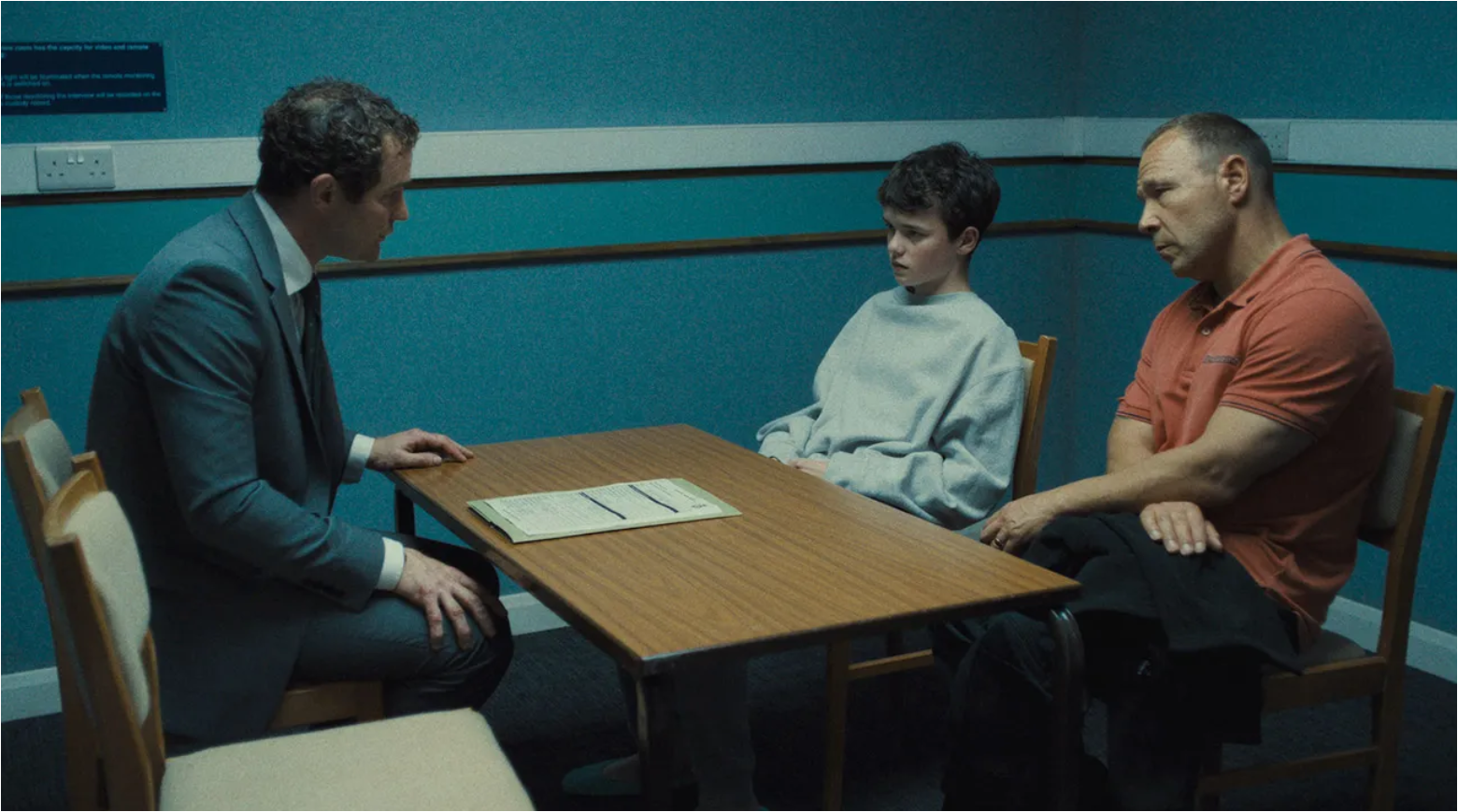
This series has much to recommend it. To begin with, it consists of only four one-hour episodes. While it seems to start with a fairly familiar scenario – police invading a home and accusing a 14-year-old boy of murder – it follows a far less obvious plot development. Each episode shows the impact of the murder investigation on the boy, his family, his school and the investigators. The result is not only fascinating as a study of people involved in crisis, but a storyline which raises a multitude of concerns about the justice system, the world of today’s adolescents, approaches to parenting and intergenerational relationships. It offers stimulus for many hours of dinner conversation around the kitchen table.
As if all this were not enough, the series has been filmed with astonishing bravura.
Each episode is filmed in one uninterrupted take or shot. Technically this almost defies belief, requiring as it does perfect timing for each complicated story component, as well as amazing camera work. It is a measure of the difficulty of this that some episodes took over 50 attempts before a satisfactory one could be completed. Of course, the film makes enormous demands on all involved. Most obvious to the viewer are the demands placed on the actors, whose skills are tested to the limit. What is truly impressive is that the entire cast, including several young actors, acquit themselves superbly, lending the film even greater authenticity.
In comparison, Adolescence makes the 90-minute one-shot Russian Ark look simple, though it is, of course, in itself a magnificent achievement.
Nor is this use of intricate camera work simply a filmic gimmick. The result of the approach to the filming is that it draws the viewer into the narrative in a unique fashion, forcing one to be an intimate part of the action and causing one constantly to assess for oneself and personally the social and emotional concerns of each development. The result is television viewing at its finest.
As we shelter at home from the winter weather, it is good to know that for at least four hours the television, thanks to Adolescence, can provide innovative and meaningful television viewing.
Your voice matters! Join the conversation by submitting a Letter to the Editor here.







