
1st Sunday of Advent, Year A
First Reading: Is 2:1–5
Second Reading: Rom 13:11–14
Gospel Reading: Mt 24:37–44
Now is the time for us “to wake from sleep,” St. Paul says; to “lay aside the works of darkness” and “put on the Lord Jesus Christ.” We do not know when the Lord is coming, so we must “keep awake,” Jesus warns.
Is the Church preaching to the converted? “Conversion” comes from the Latin converto, meaning “turn around” or “turn back.” Jesus’ “call to conversion” is addressed “first to those who do not yet know Christ and his Gospel,” says the Catechism of the Catholic Church, but it “continues to resound in the lives of Christians” even after baptism. In fact, “this second conversion is an uninterrupted task for the whole Church.”
“The new life received in Christian initiation” does not abolish “the frailty and weakness of human nature” or “the inclination to sin,” says the Catechism. Accordingly, life is a constant struggle to “turn back” to the “holiness and eternal life to which the Lord never ceases to call us.”
We are like magnetic compasses, which are attracted to true north but which constantly waver to east or west. We are like drunkards who try to stay on the horse but continually fall off to one side or the other.
Accordingly, we have to make new resolutions from time to time, traditionally at the beginning of a new year. This Sunday, then, the first day of the Church’s liturgical year, is the time for new Christian resolutions. What must we do?
Jesus’ call to conversion and penance “does not aim first at outward works” like “fasting and mortification,” the Catechism says, “but at the conversion of the heart.”
“Visible signs, gestures, and works of penance” are necessary and meaningful, but only if they are genuine expressions of interior conversion.
“Interior repentance is a radical reorientation of our whole life, a conversion to God with all our heart, an end of sin, a turning away from evil, with repugnance toward the evil actions we have committed,” the Catechism says. “It entails the desire and resolution” to change our lives, with trust in God’s grace and mercy.
Conversion is first of all the work of God. “The human heart is heavy and hardened”; God must give us “a new heart,” the “strength to begin anew,” the Catechism says. In fact, it is in “discovering the greatness of God’s love” that our hearts are “shaken by the horror and weight of sin” and begin “to fear offending God” because it entails “separation from him.”
However, conversion also requires our co-operation. Every day, we accomplish it by “gestures of reconciliation, concern for the poor, the exercise and defence of justice and right, the admission of faults to [our] brethren, fraternal correction, revision of life, examination of conscience, spiritual direction, acceptance of suffering, [and] endurance of persecution for the sake of righteousness,” the Catechism says. “Taking up [our] cross each day and following Jesus is the surest way of penance.”
It sounds overwhelming. However, we are not asked to do it alone. “Daily conversion and penance find their source and nourishment in the Eucharist,” the Catechism says, for there “is made present the sacrifice of Christ, which has reconciled us with God, … a remedy to free us from our daily faults and preserve us from mortal sin.”
We should also pray the Liturgy of the Hours, which includes the Lord’s Prayer, and read Sacred Scripture, for thus we learn God’s ways so that we may “walk in his paths,” as the First Reading says. “Every sincere act of worship or devotion” revives our “spirit of conversion and repentance” and “contributes to the forgiveness of our sins.”
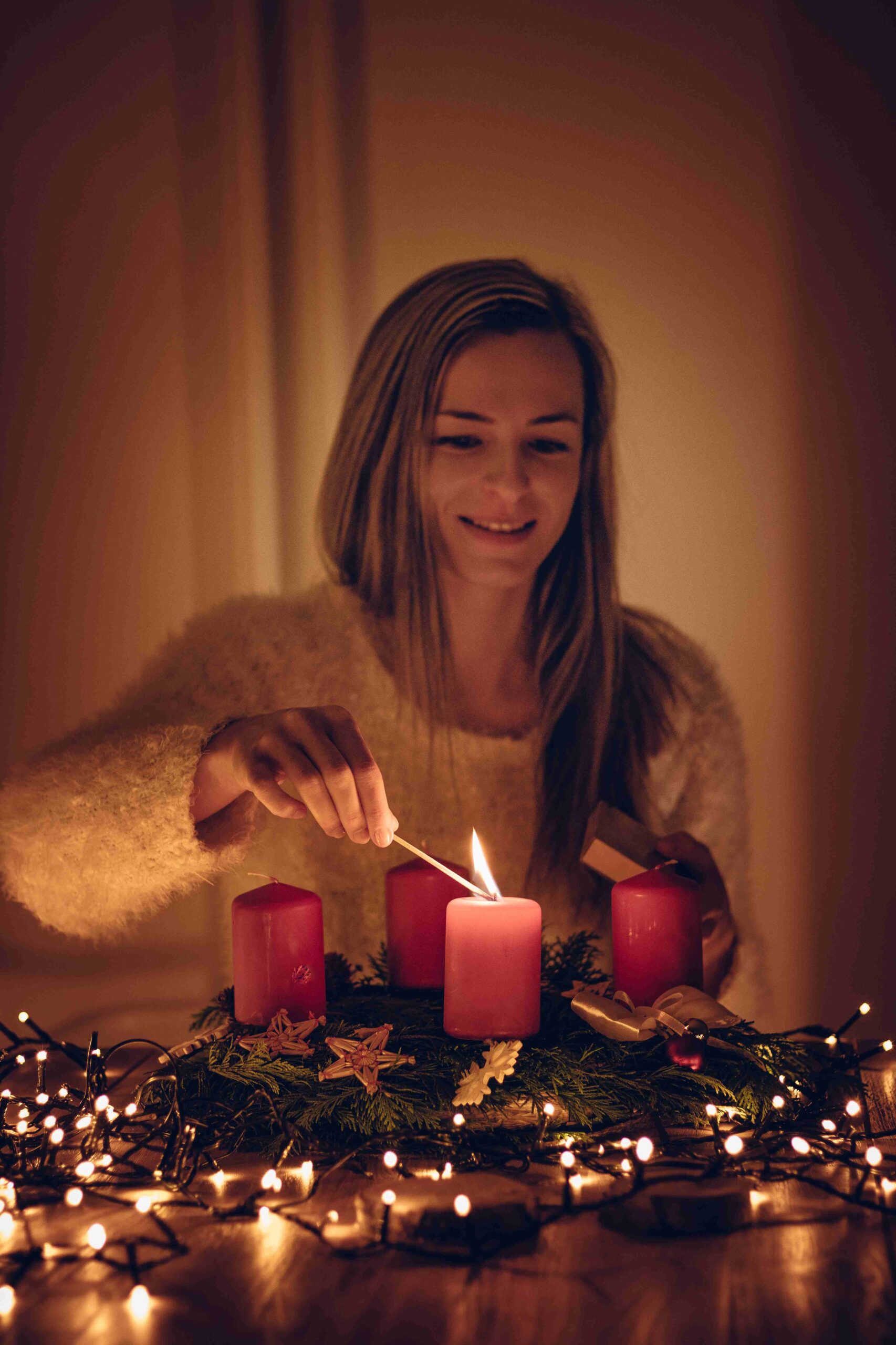
“Love, the Guest, is on the way,” the hymn says; let us make our house “fair” as we are able — “trim the hearth and set the table.” When our divine Guest knocks at the door of our heart, we want him to feel at home.
Father Hawkswell is again teaching The Catholic Faith in Plain English, with new insights. The whole course is available in written form and, one session per week, in YouTube form at beholdvancouver.org/catholic-faith-course. Father is also teaching the course in person: on Sundays at 2 p.m. in the John Paul II Pastoral Centre, 4885 St John Paul II Way, Vancouver (33rd and Willow); and on Mondays at 10 a.m. in St. Anthony’s Church hall, 2347 Inglewood Avenue, West Vancouver. The title of the next session is God: Unity and Trinity.
Your voice matters! Join the conversation by submitting a Letter to the Editor here.