
We are living in a society where prolonged physical pain is the least of our worries. Thanks to modern medicine, physical suffering can usually be significantly curbed. But mental and emotional anguish is an altogether different beast.
It is easy to praise God for the beauty of the earth on a sunny June afternoon. When all the flowers are in full bloom. But, what about during long nights of anguish? Do our lips still have words of praise for God in moments of profound loneliness?
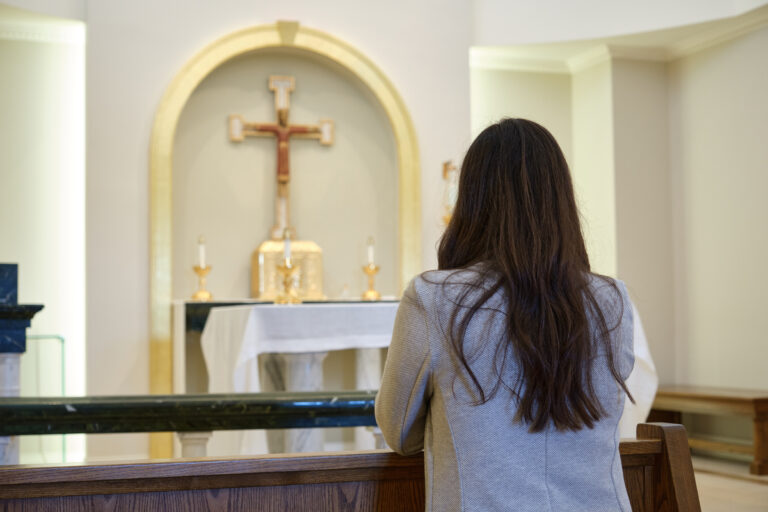
The prayer of the mature Christian includes begging for the grace to be grateful and steadfast in seasons of pain and desolation.
If pain is merely something we tolerate or even just cerebrally try to integrate into our spirituality, we will miss out on what is perhaps God’s greatest miracle: transforming pain into love. This is precisely what was accomplished on the cross. Without the cross, there would be no distinct correlation between the two. Pain would be merely dutifully endured in hopes of a far-off reward. Instead, because of Jesus’ saving work on the cross, pain can give birth to love and intimacy when it is offered to God from the heart.
In his 1984 letter Salvifici Doloris, St. John Paul II writes that “human suffering has reached its culmination in the Passion of Christ. And at the same time it has entered into a completely new dimension and a new order: it has been linked to love … to that love which creates good, drawing it out by means of suffering, just as the supreme good of the Redemption of the world was drawn from the Cross of Christ.”
As Catholics, we have the distinct privilege that faith affords us: we know that all pain can be productive. More than that, our pain can be redemptive and transformative.
It is becoming socially acceptable and perhaps even expected that we should all find humour and camaraderie in complaining about Mondays, traffic, and child-rearing. What would it look like if instead we praised God for our employment that feeds our family, for the vehicle that gets us there, and for the people who love us and who have been entrusted to our care?
All these sources of annoyance that threaten to drain us of energy and demand persistence and endurance from us; we would do well to treat them as opportunities to be “broken open” that seeds for growth may be planted.
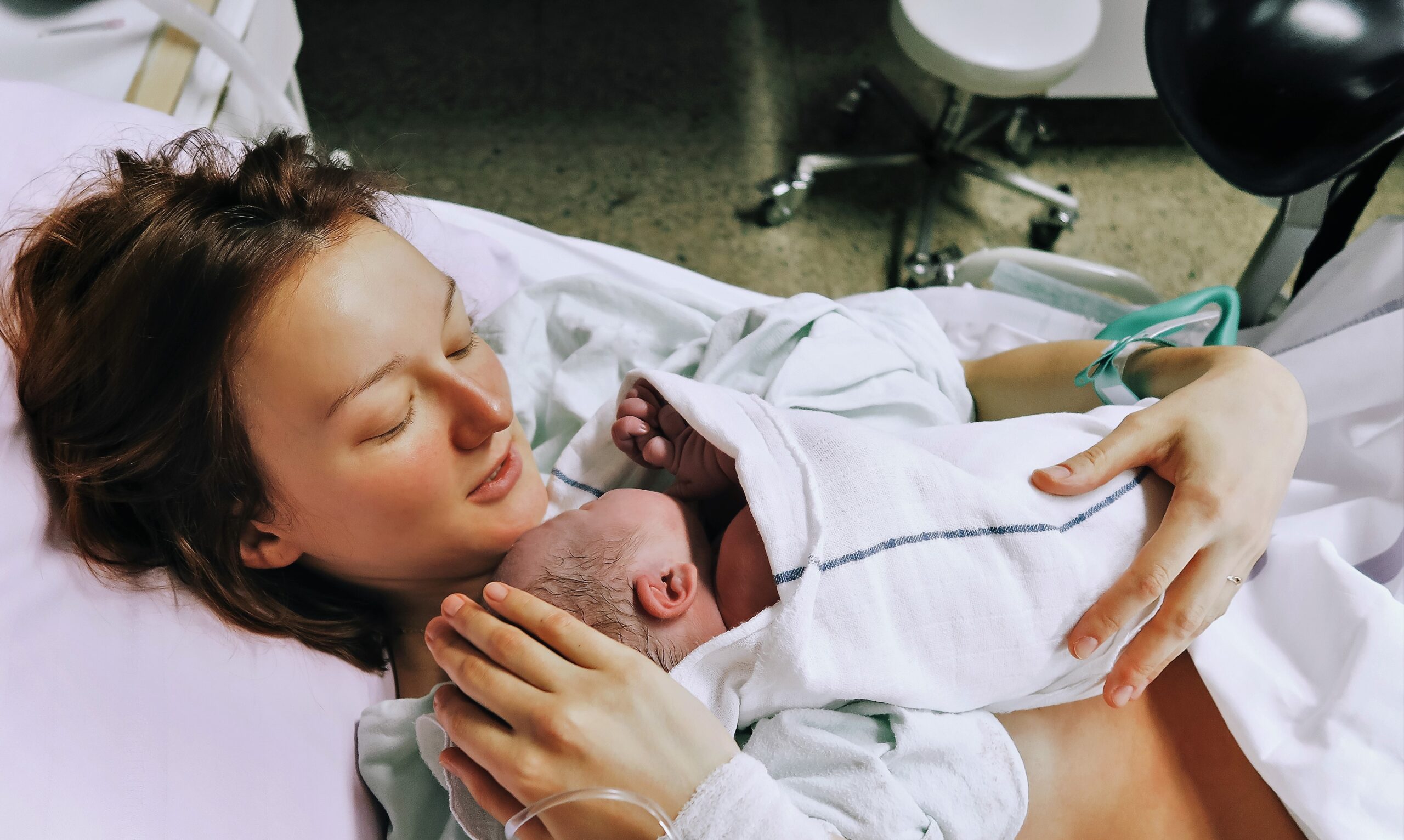
Any woman who has been through childbirth can vouch for the fact that a labour fully embraced as an act of complete surrender and cooperation with the creator can indeed be beautiful and yet simultaneously the most painful experience of her life.
But we don’t have to jump directly to childbirth to share a knowing glance between one another about the problem of pain. The simple act of existing, particularly today, can be burdensome. Pain can mean having nothing seemingly meaningful to occupy our time or having no one with whom to share a meal at the end of our work day. Pain is a long, discouraging battle with one’s weight, or the loss of a job or beloved friend. Loneliness is a particularly searing and prevalent kind of pain that many people experience, daily.
In his book The Practice of the Presence of God, Brother Lawrence speaks about finding God in all things. “The difficulties of life do not have to be unbearable. It is the way we look at them – through faith or unbelief – that makes them seem so. We must be convinced that our Father is full of love for us and that He only permits trials to come our way for our own good.”
Instead of focusing on our own misery and ineptitude in trial, first share the pain with Jesus by plunging yourself into the furnace of his heart which is love and mercy itself.
God, who sees his precious son’s passion ever before his eyes, will always do the transforming if we submit to his refining. The first noticeable change will be the environment we create around us with our attitude. The second change will be our growth in faith and dependence on God the Father.
May it be a growth that never ceases and yields bountiful fruit for all those in our midst.