


4th Sunday of Advent, Year A
First Reading: Is 5:10-14
Second Reading: Rom 1:1-7
Gospel Reading: Mt 1:18-24
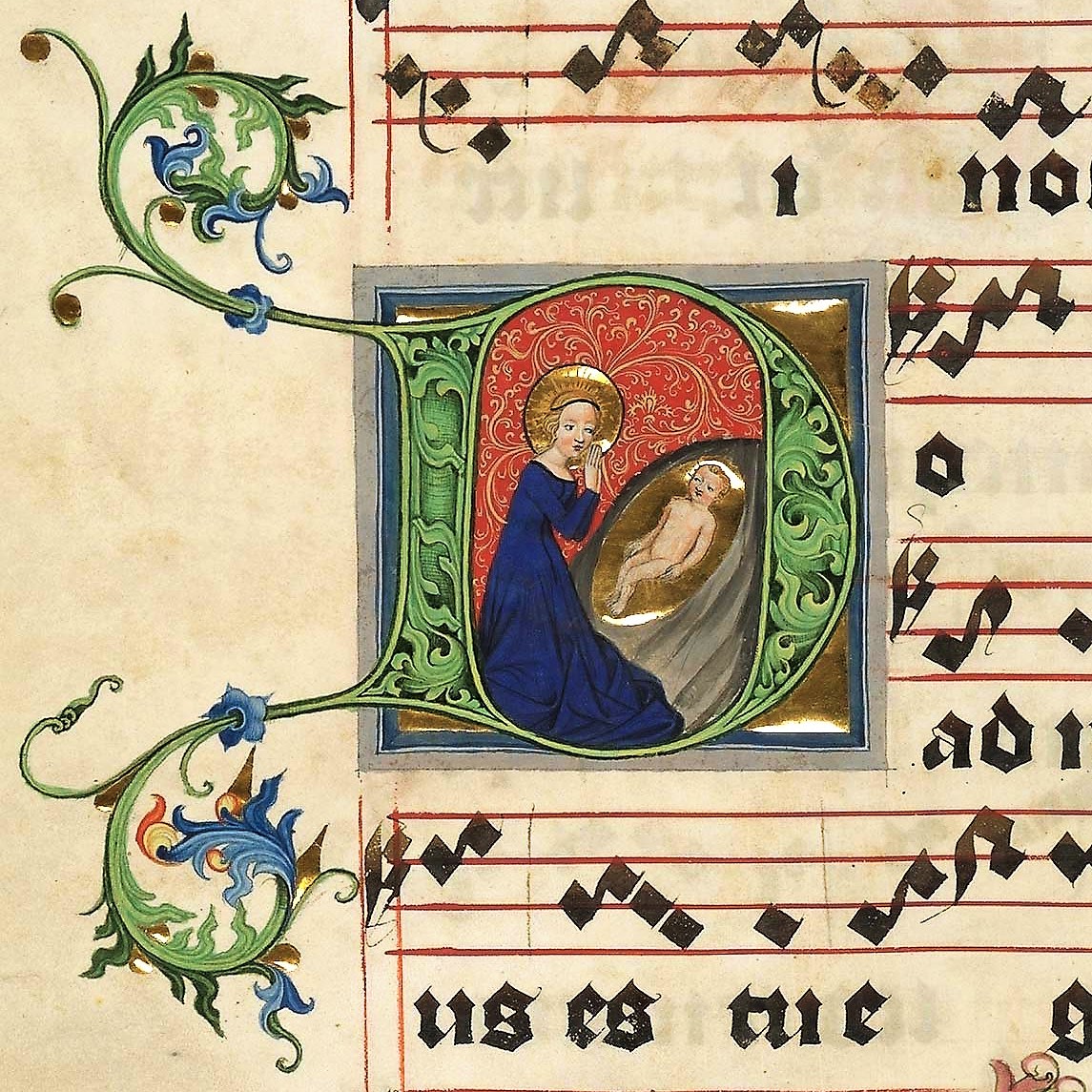
This Sunday’s readings recount the history of that special event in which God, having become man in the womb of a virgin, Mary, was born of that woman, like any other human.
The First Reading describes God’s promise that a virgin would conceive a son whose name would mean “God is with us.”
In the Second Reading, St. Paul declares that God the Son became a descendant of King David.
In the Gospel Reading, St. Matthew relates the actual happening.
This history is important. As a system of ethics, Christianity is not very different from other religions. All of them tell us to treat our neighbours as we would like to be treated, not to steal, not to lie, not to commit adultery, etc.
Where Christianity differs from other religions is in its interpretation of history. According to Christians, the Man Jesus was also the Second Person of the Blessed Trinity, and his entry into the world he had created is the central event of all time.
Before that, we humans, tempted by Satan, had tried to set up on our own. Thus, we had lost the chance of being “divinized” by God; we could no longer, as he had planned, live with him forever in the perfect happiness he enjoys in the Holy Trinity.
When God became man, we were given a second chance. Not only did the God-Man take upon himself the consequences of our sins, but also, by enabling us to unite ourselves to him through baptism and the Eucharist, he allowed us to enter heaven as a member of his Mystical Body.
When God entered human history as a man, it was like Shakespeare walking, in his own person, on to the stage where one of his own plays was being enacted: like the author appearing as one of his own characters. After that, history could never be the same again.
When someone becomes a Christian, therefore, he accepts more than a system of ethics. He accepts certain facts, summarized in the Apostle’s Creed: “I believe in God, the Father almighty, Creator of heaven and earth, and in Jesus Christ, his only Son, our Lord, who was conceived by the Holy Spirit, [was] born of the Virgin Mary, suffered under Pontius Pilate, was crucified, died and was buried,” and then “rose again from the dead.”
Do these facts matter? How do they affect the way we live? How should we respond to them?
First, we should recognize, as the psalm reminds us, that “The Lord’s is the earth and its fullness, the world and all its peoples.” We belong to God, for he made us.
Moreover, as St. Paul says, He ransomed us from slavery: we have been bought and paid for. Second, we should remember how much God loves us. He has prepared infinite happiness for those who will accept it: “those with clean hands and pure heart, who desire not worthless things.”
“The Word became Flesh to make us partakers of the divine nature,” says the Catechism of the Catholic Church. “This is why the Word became Man, and the Son of God became the Son of Man: so that man, by entering into communion with the Word and thus receiving divine sonship, might become a son of God.” The Son of God became Man “so that we might become God.” The Son of God, “wanting to make us sharers in His divinity, assumed our nature, so that he, made Man, might make men gods.”
“Belief in the true Incarnation of the Son of God is the distinctive sign of Christian faith,” the Catechism says.
“By this you know the Spirit of God: every spirit which confesses that Jesus Christ has come in the flesh is of God. Such is the joyous conviction of the Church from her beginning whenever she sings the mystery of our religion: he was manifested in the Flesh.”







