

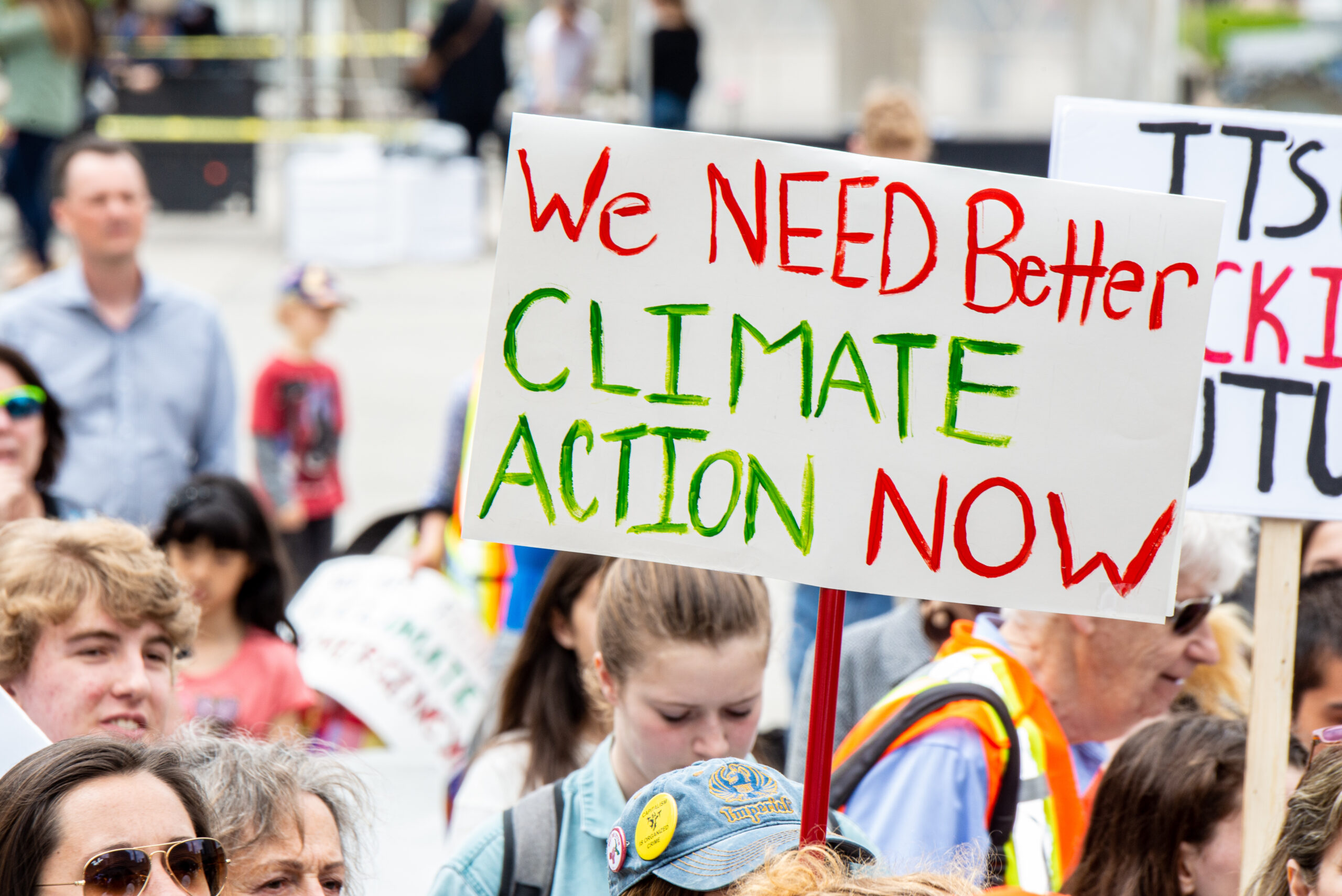

If climate change is your biggest concern, this is your election.
Hundreds of thousands of Canadians, and millions of people around the world, felt the need to do something last week – or the need to act like they’re doing something – about mankind’s impact on the environment. The need was so pressing they left jobs and classrooms, heading with their face-painted children to demonstrations from coast to coast. Their message: climate change is real and politicians need to do something.
I’m of two minds on this.
On one hand, I’m impressed that so many people are willing to down tools and tablets to attend a weekday protest on any issue. That suggests commitment to a cause.
On the other hand, it’s probably safe to say hundreds of thousands of Canadians attend pro-life rallies and Life Chains every year too and don’t garner any media attention whatsoever.
The climate change movement is at near mania right now. Media can’t get enough of it. (I made the mistake of signing up for CBC climate change notifications and now I can’t turn them off).
When politicians sense people moving in one direction, they rarely turn the other way. So governments are declaring climate emergencies, and political candidates are responding with promises of tax credits, fuel charges, carbon caps, community funding, cash for transit cash, and promises to make Canada net-zero on carbon emissions within 30 years.
It all feels a little like a Stanley Cup bandwagon. Just as everyone is a Canucks fan when Vancouver makes the semi-finals, it’s not hard to care about climate change when everyone says it’s the most important issue in the world.
Except Canadians aren’t of one mind on climate change. A recent Angus Reid survey said climate change is one of several priorities for nearly 70 per cent of Canadians. The same survey reported 58 per cent also see oil and gas development as a priority.
It turns out Canadians actually want to have their cake and eat it too – a perfectly normal response in an age when saying the wrong thing about some topics can end friendships, reputations, and careers. There are many issues, including climate change, where sticking your neck out and deviating from the party line will have you considering closing your social media accounts and changing your phone number.
A new book The Madness of Crowds: Gender, Race and Identity by Douglas Murray, explains the phenomenon, exploring how the culture wars are being waged in media, social media, and on university campuses, with political correctness silencing free speech.
More than a century ago, a book with a similar title made the same point. In Charles Mackay’s Extraordinary Popular Delusions and the Madness of Crowds, he wrote, “Men, it has been well said, think in herds; it will be seen that they go mad in herds, while they only recover their senses slowly, and one by one.”
As a result, people today will go along to get along rather than face censorship or condemnation. Which explains how Canadians can want climate action and fossil fuel-based jobs at the same time.
Similarly, they tell pollsters they support abortion rights, while at the same time polls show the majority of Canadians want restrictions on abortion.
An election campaign is an ideal time to declare one’s political independence, and some B.C. Catholic readers aren’t afraid to say they’re not on the climate change bandwagon. They’ve phoned and written, complaining about the election resources our newspaper has been running, mainly from the Canadian Conference of Catholic Bishops and the Archdiocese of Toronto, which produced an impressive series of fact sheets on a variety of issues ranging from religious freedom and the right to life to immigration and poverty.
The first one was the environment, and the fact it was printed on green ink made it an implied endorsement for the Green Party, said one reader.
Someone else challenged the “facts” on the environment info sheet and said the Church is being hoodwinked into engaging in climate hysteria.
I assured both readers The B.C. Catholic is non-partisan and green was the logical colour to use for an environment page. Meanwhile, the “facts” are certainly open to debate.
We’re a confusing bunch, we Canadians, but deep down we don’t like being told what to do or think.
I hope this election many Canadians find the confidence to speak up and be heard.







