

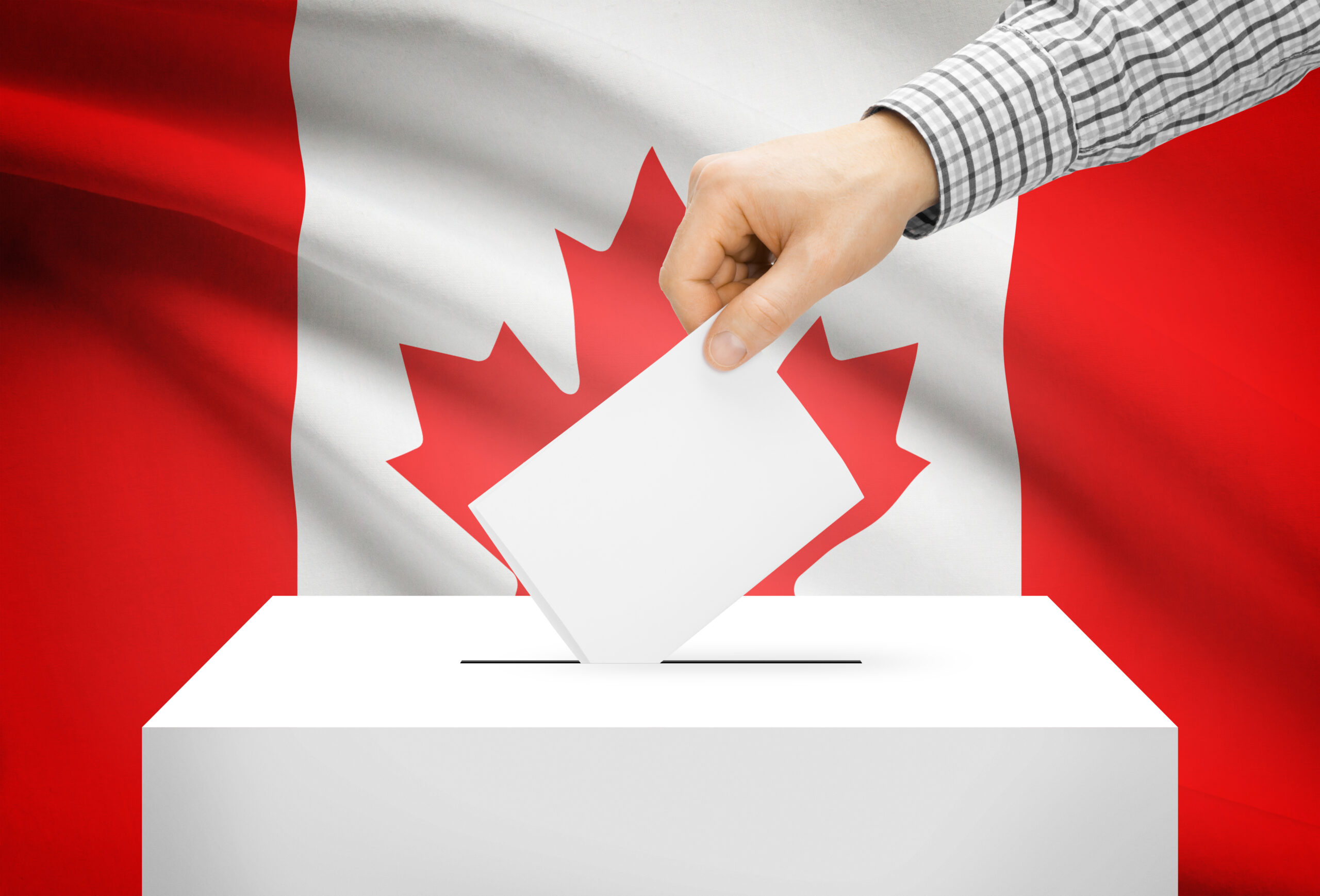

Canadians go to the polls Oct. 21, and there are indications this could be one of the most important elections in a long time.
Issues, parties, and personalities are all up for discussion, and the way we vote, and whether we vote, could help shape the kind of country Canada becomes for the foreseeable future.
So it’s good to see Catholics already participating in effective ways.
The Canadian Conference of Catholic Bishops has published an election guide offering “a reflection on key ethical and moral issues that voters, especially Catholics, may want to consider.” The guide reminds Catholics that voting is both a right and responsibility, and that voting wisely means using one’s judgment through a well-formed Christian conscience. The guide is online and published on Page 7 this week.
The Archdiocese of Toronto has also produced an impressive series of issue education pages to provide Catholic context on topics like poverty, life issues (abortion/euthanasia/palliative care), immigration, the environment, and Indigenous issues. The first one is on Page 8 and deals with the environment and caring for God’s creation. Additional education pages will appear over the next few weeks.
The Archdiocese of Vancouver’s anti-human trafficking committee has also been busy making sure human trafficking for the purposes of prostitution becomes an election issue. The committee has prepared an education sheet on Canada’s use of the Nordic Model of legislation to criminalize buyers of sex and decriminalize those who sell. The law places Canada in a better position than countries that have decriminalized and/or legalized prostitution. The sheet is on Page 9.
Members of the anti-human trafficking committee also took part in a recent panel discussion on Salt and Light TV. Deacon Pedro Guevara-Mann and Sister Nancy Brown, Gwendoline Allison, and Laura Lam address the Church's teaching, the situation in Canada, the link between prostitution and human trafficking, and how our society’s values contribute to the industry and victimization of women. You can watch the discussion online at saltandlighttv.org.
There are also events taking place here and across the country that Catholics will find helpful.
On Saturday, Sept. 21, a one-day conference called Courageous Christianity will help Christians in becoming “courageous Christians in our culture,” equipping them “to bring a credible gospel witness to their areas of influence in society.” Although not explicitly an election event, it will feature people who take civic action seriously, like Marc Vella of the St. James Civic Affairs Committee, pro-life speaker Stephanie Gray, and outspoken school trustee Barry Neufeld. For more information visit gtgathering.com.
A week later, on Sept. 28, Precious Blood Parish in Surrey will host The Federal Election & A Christian Conscience with Dr. Chris Morrissey, a Seminary of Christ the King philosophy instructor and B.C. Catholic columnist. He’ll join Dr. Sam Rocha, associate professor at UBC, in a walk through Catholic political thought and social teaching, helping Catholics see how the Church’s intellectual tradition informs our political choices.
On Oct. 3, the Archdiocese of Toronto is holding a Federal Debate From A Catholic Perspective, with candidates from the four major parties. The Bassett Theatre at the Metro Toronto Convention Centre is already sold out and there are plans to make the event available via livestream. (There is talk of one or more parish viewing locations in the Vancouver area as parish civic affairs committees start to grow.)
In future issues we’ll provide information from several voters guides being put out by pro-life groups and religious freedom and pro-life organizations. Unfortunately new Elections Canada rules have confused many people and forced organizations to use alternate delivery methods to get their information out. We’ll do our best to help them share their message from a non-partisan perspective.
All of this is to help Catholics realize the importance of voting. By looking at the 2015 federal election we can see what happens when people don’t vote. More Catholics who don’t go to church regularly voted than weekly Mass goers, giving them a bigger impact on the election than regular attendees.
If Canada’s collective Catholic population starts acting like it can make an impact on the public square, it will, and they should consider it mandatory. Pope Francis recently told Catholics not to be indifferent to politics, but to offer their suggestions and prayers so political leaders can serve the common good in humility and love.
He rejected the idea that “a good Catholic doesn’t meddle in politics,” said Catholic News Agency. Citizens have a responsibility to participate in politics according to their ability, he said.
“Politics, according to the Social Doctrine of the Church, is one of the highest forms of charity, because it serves the common good,” he said. Rather than complaining about politicians, Catholics should offer themselves, including their ideas and prayers, with prayer being “the best that we can offer to those who govern,” referencing Paul’s letter to Timothy urging prayer for those in authority.
Catholic Conscience, a lay organization dedicated to promoting the Church’s social teachings and encouraging civic participation, calls on Canadians to participate in the political process by “becoming informed on the issues and candidates, volunteering, voting, and serving as a ‘shining example,’” in the words of Gaudium et Spes, through our “dedication to the common good.”
Please make the effort over the next few weeks to educate yourself about the issues and the candidates. And above all, pray, for candidates, for politicians, and for wisdom in voting. And then vote.







