


A new school year is upon us. Fresh bulletin boards, waxed floors, new pens, and blank recording sheets greet me as I prepare to teach for another year. Spirits are refreshed after the summer hiatus, and people are ready for a fresh start.
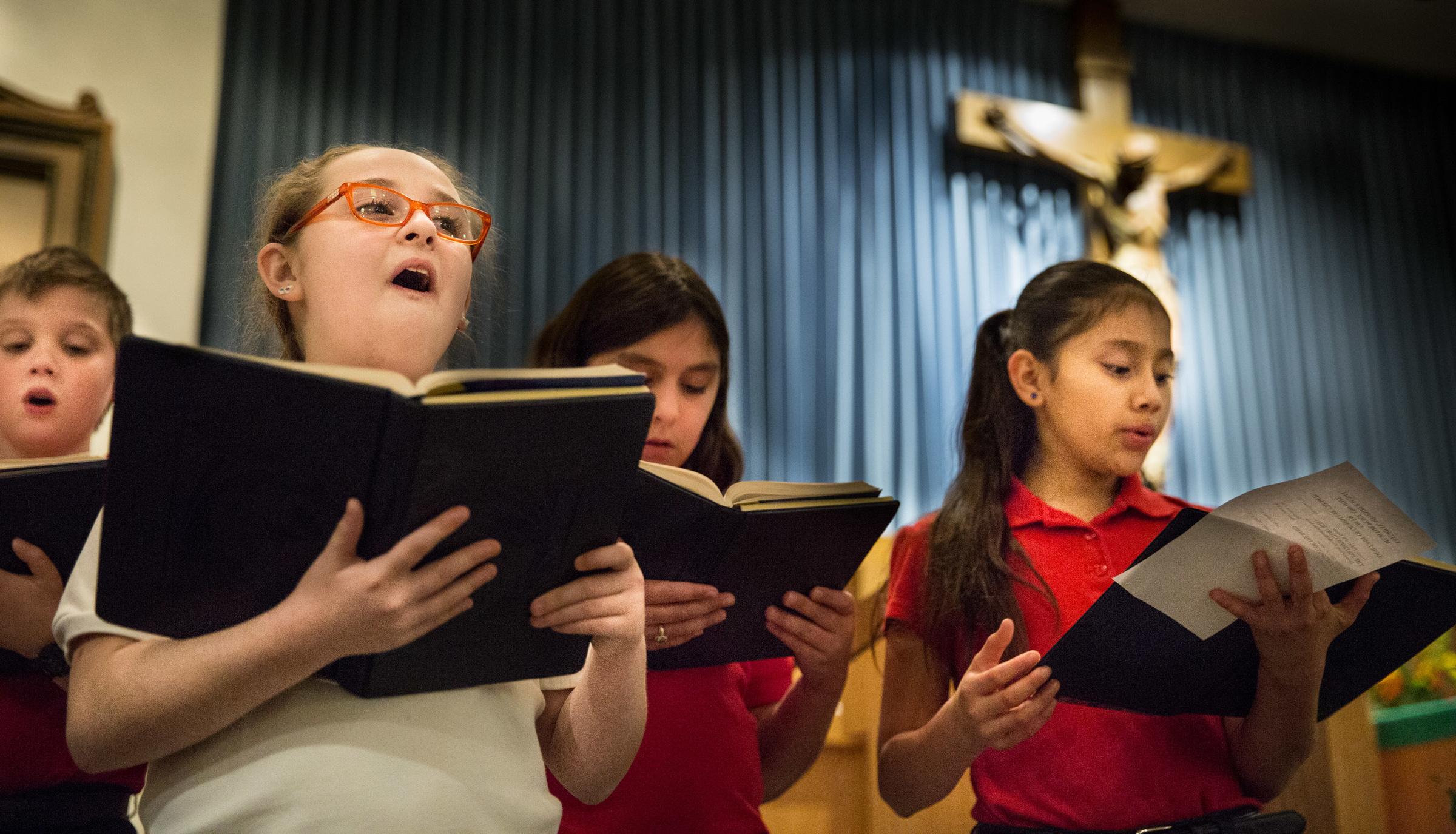
One part of back-to-school that truly fills my soul is my chance to select and learn new music to teach my choir. Since graduating from high school, I have worked with church and school choirs, mostly as an accompanist or singing in the alto section. This year, I am excited to be starting my third year as the director of a school choir.
Thinking about choral selections, focusing on the lessons I wish to impart, teaching children how to pronounce words with rich vowels and clear consonants, trying to develop signals with my eyes and hands to convey meaning and produce dynamic contrasts has always brought to mind my high school music teacher, Ken Fleet.
In 2013, I wrote about Ken and how, despite early-onset Alzheimer’s, he was still able to sing and conduct music. Sadly, Ken died on Aug. 13, 2019, three days before his 67th birthday.
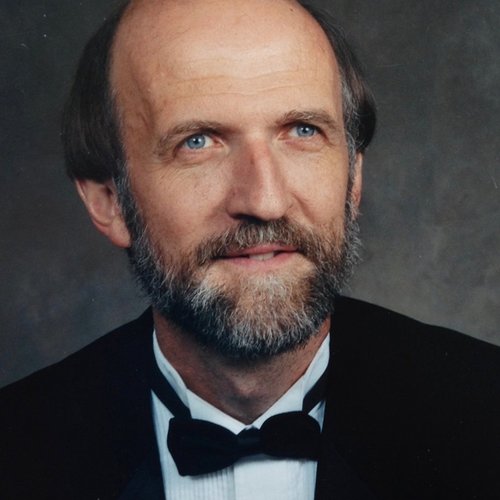
Ken Fleet, 1952–2019
Now, as I sing vowels the way he taught me to, my voice quivers and tears form in my eyes. Having moved to B.C. from Ontario after university, I haven’t seen Mr. Fleet in person for about 30 years, so his death has not hit me with an immediate loss, like those in his daily life must experience. However, Mr. Fleet has been with me in spirit every time I have opened my mouth to sing in church or in a choir, and every time I have asked the children to watch me rather than the audience. He is with me every time I feel goosebumps when, after rough sight readings and dedicated rehearsals, the harmonies fall into place. I know I am not responsible for, but merely blessed to witness, the talent of these children.
I attended public high school, yet Mr. Fleet incorporated sacred music into our repertoire because he believed in teaching us “good” music. He worked with the British composer John Rutter (still a personal favourite of mine), providing a small choir for a workshop Rutter gave in Toronto. I was not in that small group; however, I learned many Rutter songs in our concert choir.
In my senior year, Mr. Fleet taught us about the Catholic Mass. He had studied Mass music and ensured that we did as well, in order to understand the foundations of music and that many composers were commissioned to work for churches. Through this study, I learned more about my Church, even though I am a cradle Catholic. Music trips with Mr. Fleet always included an allotted church time on Sundays.
Like Mr. Fleet, I choose to include at least one sacred selection in my repertoire. Last spring, we only had time to sing two of our three songs for a school assembly, and the children asked me if they could perform their sacred song. They’re nine- to thirteen-year-olds, but they recognized the beauty of “good” music and wanted their peers to hear it. This year, I plan to teach them a two-part version of a song I first learned with Mr. Fleet: The Lord Bless You and Keep You by John Rutter.
Mr. Fleet didn’t treat us as kids, but as fellow musicians. He wanted everyone to share the joy of singing and working towards a common goal, whether they were shy or confident, soloists, or harmonizers. “Whatever it is, sing your song” became Ken Fleet’s trademark after his diagnosis with Alzheimer’s, according to his widow, Janet.
Many times since high school, I have wished that I lived closer to my old community so that I could join one of Mr. Fleet’s choirs or so he could see how much of an impact his classroom and his choirs have had on me over the years. I feel emotional now both because of nostalgia and because perhaps he really can see me again. I pray that he now truly knows how much I’ve always included him in my music – and in my life.
May the Lord bless you and keep you, Mr. Fleet.
“May the choirs of angels come to greet you; may they speed you to paradise. May the Lord enfold you in His mercy. May you find eternal life.” (Song of Farewell, Ernest Sands)







