
The latest addition to the Archdiocese of Vancouver’s Review Board on clerical sexual abuse cases brings not just her background as a survivor of clerical abuse, but her professional experience working on mental health and homelessness.
Cathy Lins’ two areas of expertise, which include collaboration with U.S. federal agencies, will be of special value to the board, given that survivors of abuse from Canada’s residential school system often find themselves homeless in places like Vancouver’s Downtown Eastside.
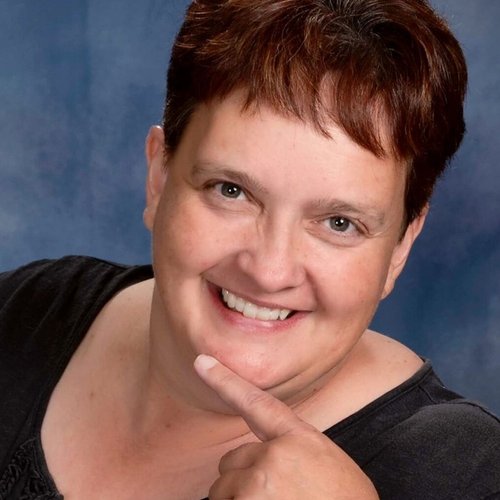
Lins is founder of Gather My Sheep, a Wisconsin-based Catholic ministry helping abuse victims find a path back to the Church. In a 2020 interview with The National Catholic Register, Lins said “research shows that when people are in distress, church is the first place they turn … Unfortunately, many parishes aren’t equipped to support those dealing with psychological trauma. I’ve heard many horror stories of the hurtful treatment people have received at their local parish.”
As a result, they turn to yoga, nature, “anything but Jesus Christ and his Church.”
It’s because of those traumatic incidents that Lins felt inspired to help churches become places of healing. Speaking with The B.C. Catholic, Lins recounted a prayer she offered after a speaking engagement where she encountered an overwhelming number of such negative stories. “Lord, there is a reason why you wanted me to see this. You wanted me to see the suffering of your people … How do we make sure that [your] Church actually works as a healing place?”
Helping Catholics and priests become truly welcoming isn’t a problem of will or desire. Many churches train missionaries to go out and welcome people into relationship with Christ. But a common theme emerges when they encounter people with mental illness: “They come back and say, ‘we don’t know what to do.’”
Lins believes the simplest and best way for Christians to get better at ministering to those with mental health problems is to get “mental health first aid training.” The intention is not to save people, but to stabilize them, mentally, so they can get the professional help they might need.
The training focuses on a few core ideas that might be familiar to people with CPR training, including doing a harm assessment by asking, “Is this person a danger to themselves or others?”
In mental health, watching your own mental state, or co-regulating, is important because people react to others’ emotions. “If [you are] angry and upset the other person will respond in kind,” she said. “You need to bring your emotions down, [bring] your voice and volume down.”
Beyond mental health, there are spiritual problems to be tackled as well, Lins said. These issues can be especially acute among survivors of clerical abuse. “Because of their trauma, their sense of God has been damaged.”
The sacraments can be especially difficult. Lins recounted how it took time for her to be comfortable with the sacrament of reconciliation, sometimes feeling as though she was being locked in a small room with one of her past tormentors.
In a more positive recollection, Lins described working with a priest who would remove his clerical collar so she would feel more comfortable.
When people are taught to understand the symptoms and realities of mental illness, it helps to destigmatize their problems, Lins said, and by understanding what is happening when someone is in emotional distress, there is less getting in the way of loving them.