
The Sto:lo First Nation says archival research has confirmed the deaths of 158 children who attended several Indian residential schools and an Indian hospital in the Fraser Valley, although ground-penetrating radar has yet to result in any confirmed gravesites.
The Sto:lo held a press conference Sept. 21 to announce their findings after two years of searching the grounds of four institutions: St. Mary’s Indian Residential School in Mission, Coqualeetza Industrial Institute/Residential School and Coqualeetza Indian Hospital near Chilliwack, and All Hallows School, an Anglican residential school in Yale. Most of the deaths resulted from tuberculosis and other diseases at the hospital.
St. Mary’s opened in 1863 and closed in 1984, the last operating residential school in B.C. All Hallows’ operated between 1890 and 1917. The Coqualeetza Industrial Institute in Sardis, about five kilometres south of Chilliwack ran from 1886 to 1894. The Coqualeetza Indian Hospital in Sardis provided tuberculosis treatment for Indigenous peoples from 1941 to 1969.
The team said archival research shows 158 children “died at, or as a result of attending,” one of the four sites. Ninety six children between ages five and 20 died at the hospital, 37 at the Coqualeetza school, 20 at St. Mary’s, and five at All Hallows.
The researchers did not explain the inconsistency between the number of deaths they confirmed at St. Mary’s and the numbers on the Truth and Reconciliation website. The Sto:lo confirmed the deaths of 20 children at St. Mary’s, while the Truth and Reconciliation website identifies by name 22 students who died while attending the school.
There were also inconsistencies with the data from the Coqualeetza school, where 37 children died, said researchers, while the TRC identifies 20 children.
In 2021, the Sto:lo announced a three-year plan to search the four properties after reports that GPR had found anomalies that could be graves near the Kamloops Indian Residential School.
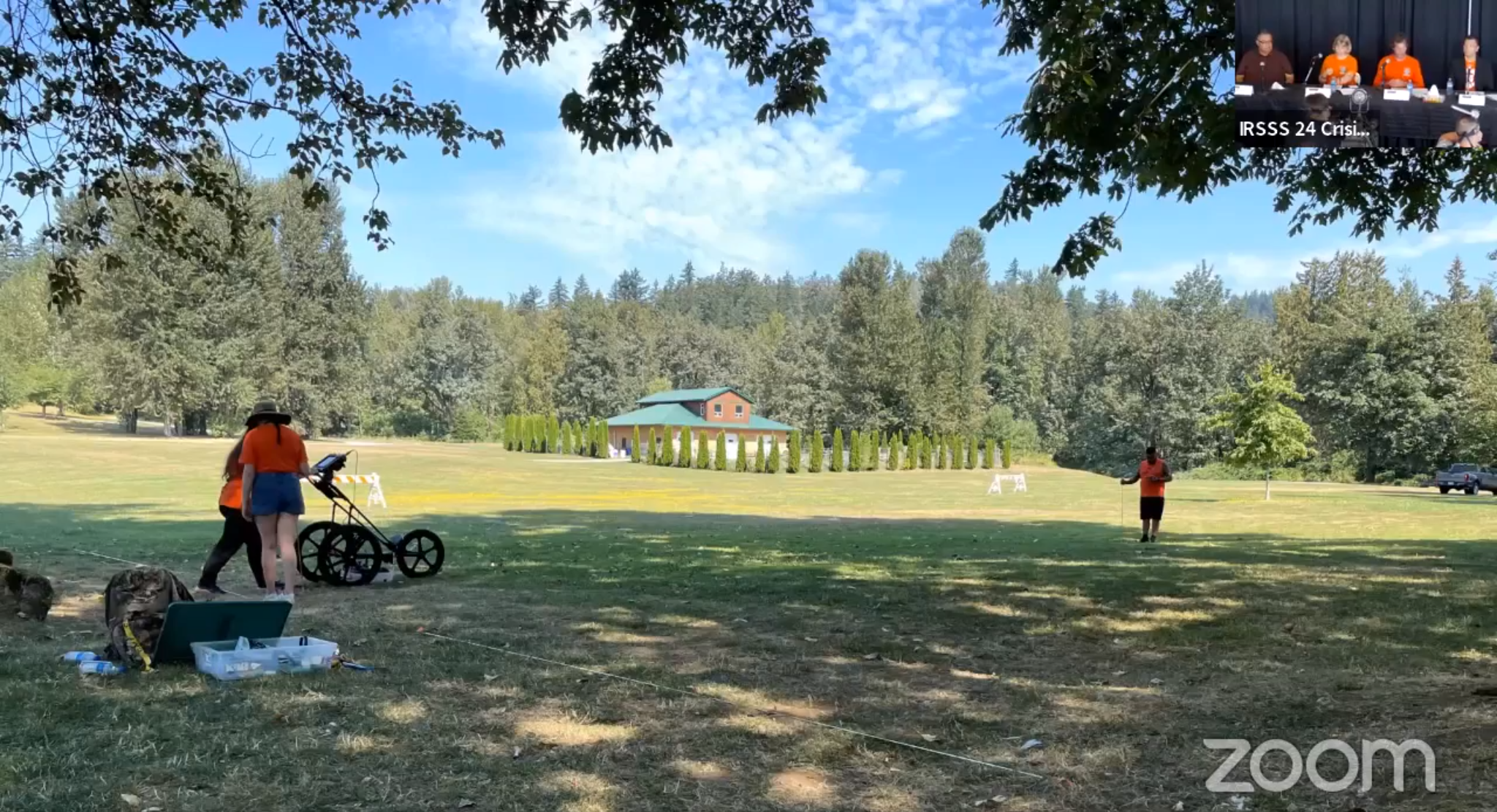
No specific information about GPR findings was released at the Sto:lo press conference. Sto:lo Nation Chief David Jimmie said the exact number of potential anomalies found through a combination of GPR, aerial and ground surveillance was not being made available because “it is too distracting to our work to focus on the numbers of unmarked graves.”
GPR technology can identify underground anomalies that could be anything from dense soil deposits and drainage ditches to animal remains.
Jimmie said research has been slowed by difficulty getting full access to records of the federal government and religious organizations.
It was the second announcement in a month about First Nations investigations at former residential schools. In August, Chief Derek Nepinak of Minegoziibe Anishinabe shared the findings of a four-week anthropological dig at Manitoba’s former Pine Creek Indian Residential School. No human remains were found under a church basement after excavations that followed a year-long investigation by the RCMP that found not evidence of criminal activity at the site.
Like Pine Creek, most of the areas surveyed by the Sto:lo Nation included known burial areas, marked cemeteries, and suspected locations of unmarked graves.