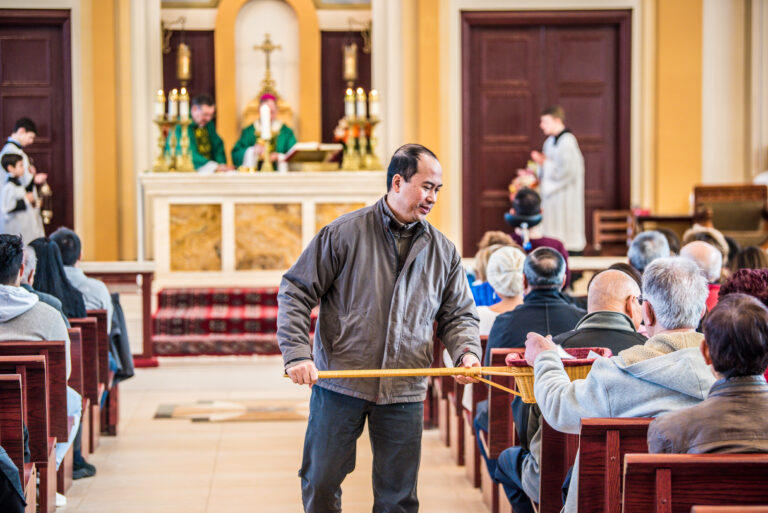

Much of Western society has become “deaf to the word of life spoken not only by the Church but also by science,” Archbishop Richard Smith said at this year’s Archbishop’s Annual Mass for Life at Holy Rosary Cathedral.
In his homily, the archbishop reflected on a lesson he learned as a seminarian while working with deaf children at a summer camp for the hearing impaired.
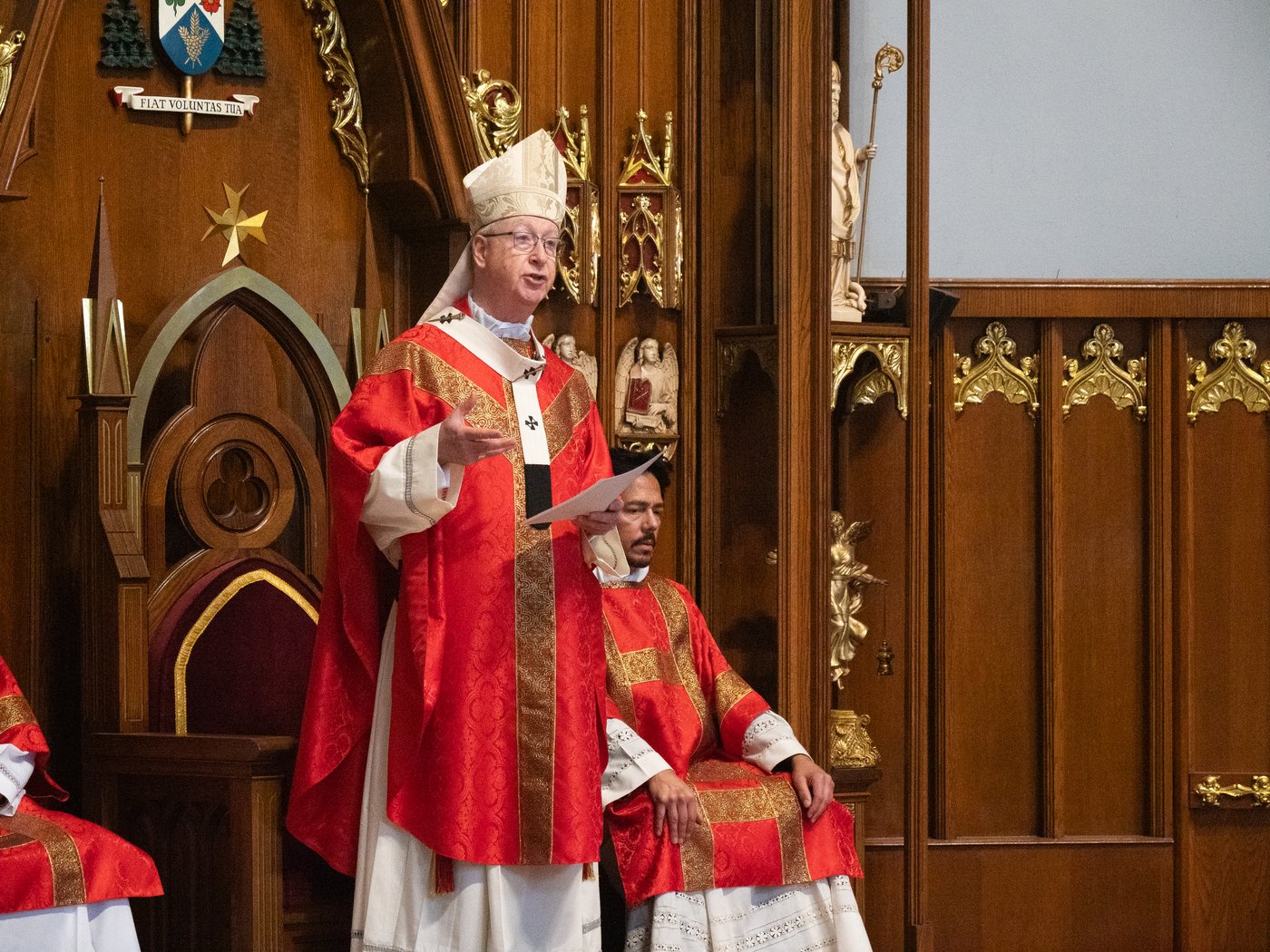
Many of his experiences with the children and their struggles symbolically “underscore the situation we encounter today as we strive to promote and defend the dignity of human life in all its stages,” he said.
Just as sign language aids communication with those who can’t hear, the Church must find “a language that will reach our contemporaries,” he said.
“As with the hearing impaired, the most effective language to use is that of signs,” the Archbishop said. “In the Christian context, this sign language is the witness that we give by the way we live.”
Jesus came to mankind “for the life of the world, not its death,” he said. “God’s will is life, and we are drawn into fidelity with that will when we unite ourselves to Christ’s own self-offering through the Mass.”
The Archbishop prayed that hearts everywhere “will be touched by the mercy and love of God” and transformed into “joyful and effective witnesses to the dignity of every human life.”
After Mass, young Catholics shared their perspectives on reverence for life.
“As youth, we are the generation shaping the future,” said Isabella Comuzzi, a Grade 11 student at St. Thomas More Collegiate in Burnaby. “If we don’t stand up for life, for basic human dignity, and for love, who will?”
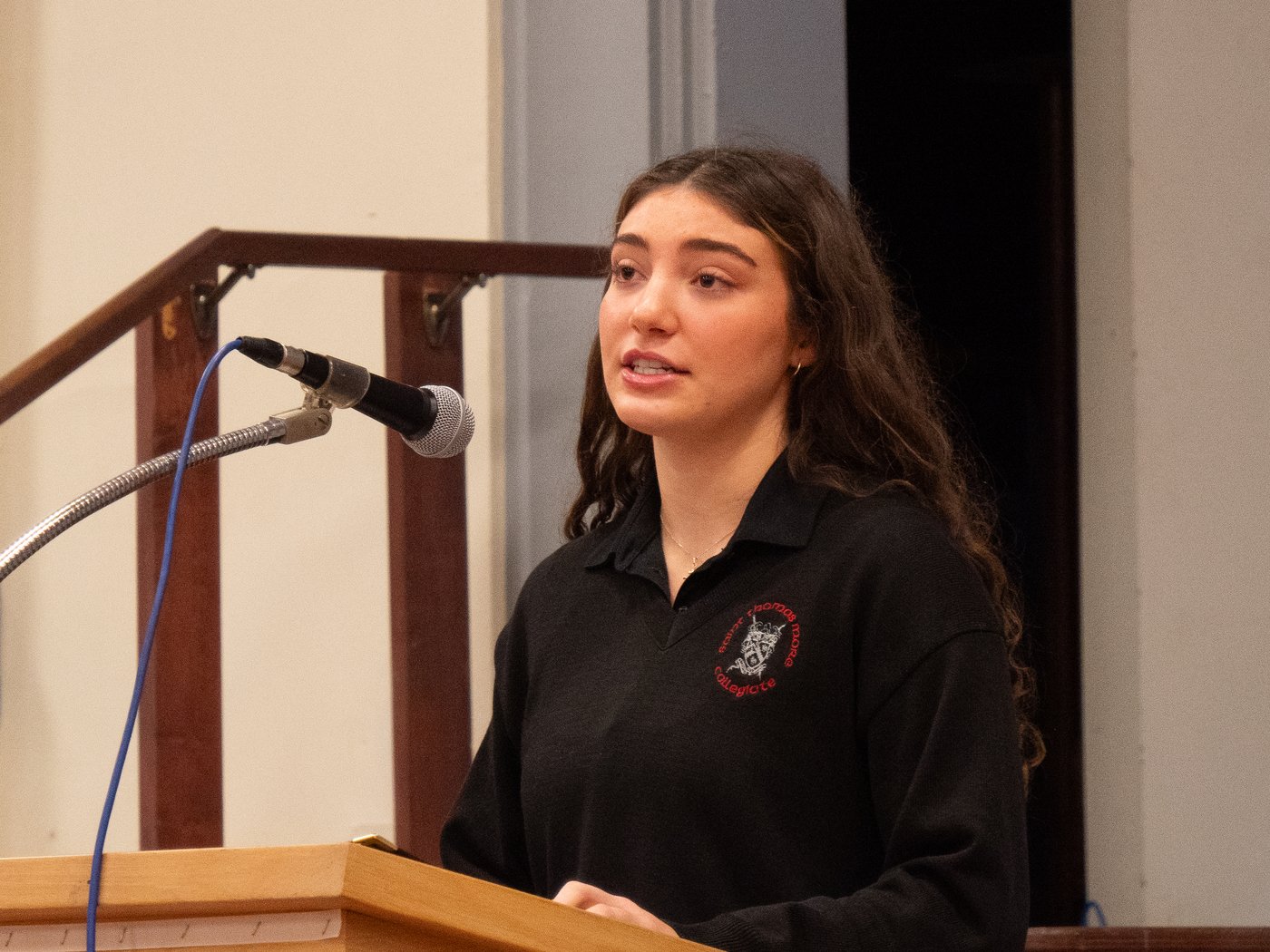
“Reverence for life is often portrayed as controversial,” she said. “It’s criticized by mainstream media, misunderstood by the public, and definitely not considered cool.”
Being pro-life “doesn’t help you fit in, gain popularity, or avoid judgment. In fact, it often does the opposite.”
Despite that, Comuzzi said her commitment is rooted not in politics or popularity, but in “recognizing the value and dignity of every human life. It is the personal action of living out God’s unconditional love and plan for every person he forms.”
Being pro-life is about choosing love, she said, for the unborn child, lthe single mother, and those suffering from substance abuse, homelessness, and mental illness.
“No matter a person’s age, race, gender, strengths, weaknesses, financial security, or health, every life holds meaning,” she said. “It’s the most inclusive, the most loving idea.”
Witnessing for life, she said, means choosing “courage over comfort, compassion over indifference, and love—especially when it’s difficult.”
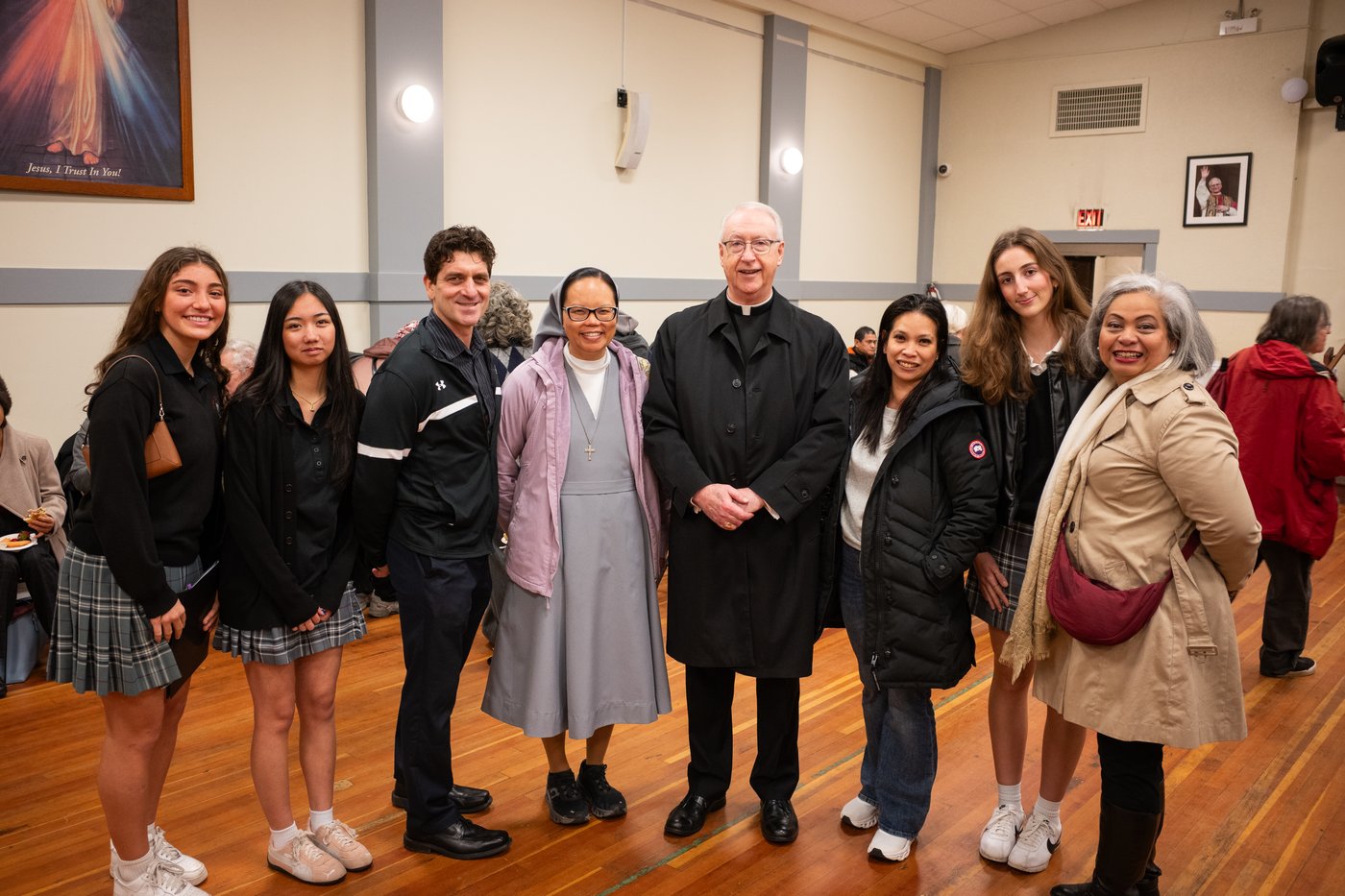
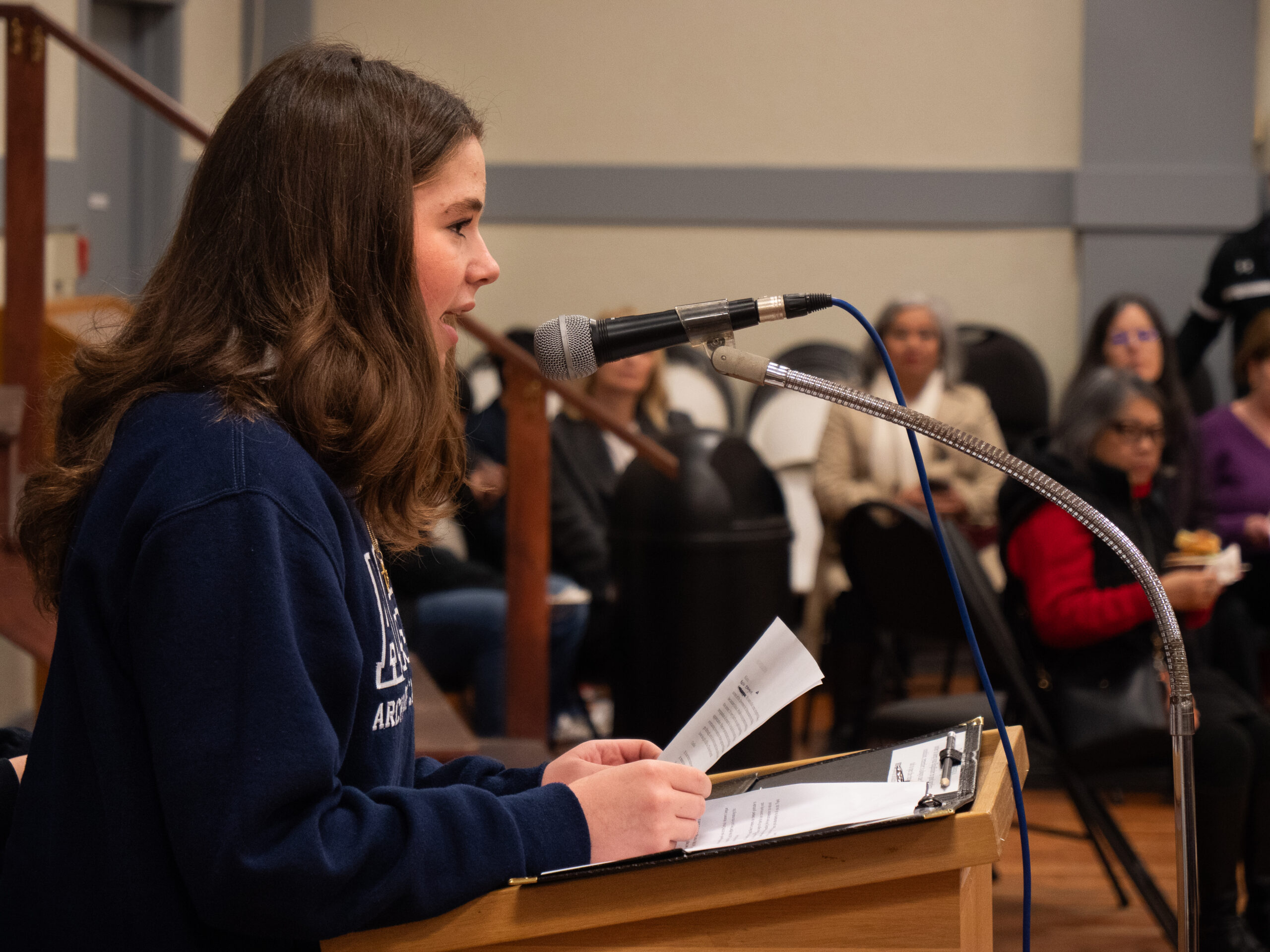
Two Grade 9 students from Archbishop Carney Regional Secondary School in Port Coquitlam shared their experiences as school reverence for life representatives.
Klara Curman and Giulia Emmanuele spoke about the opportunities that have come their way and what a pro-life outlook means for them.
Emmanuele said she and Curman became pro-life student representatives “because we believe that respect for life is not limited to a single moment or issue, but is something that should guide the way we think, speak, and act each day.”
The club, she said, has given students opportunities to advocate for compassion, empathy, and faith, “and to remind others that every human life is created with purpose and worth.”
“As representatives, we strive to lead by example,” Emmanuele said, “encouraging others to see life through a lens of gratitude, responsibility, and love rooted in Christ.”
Your voice matters! Join the conversation by submitting a Letter to the Editor here.