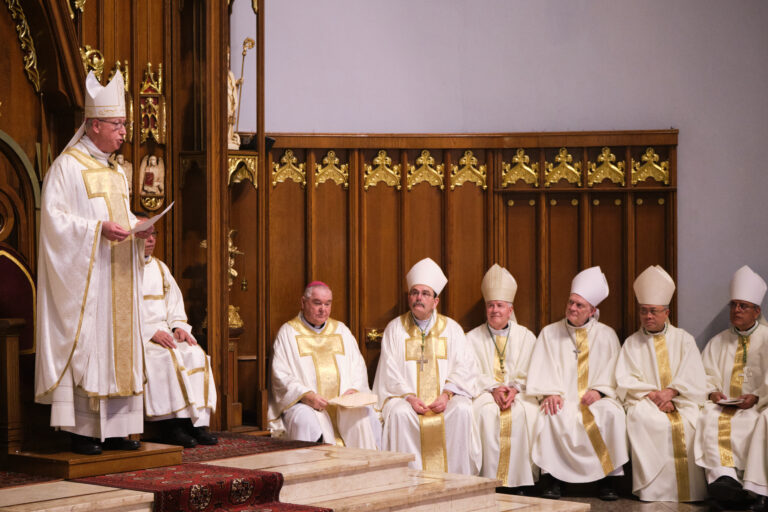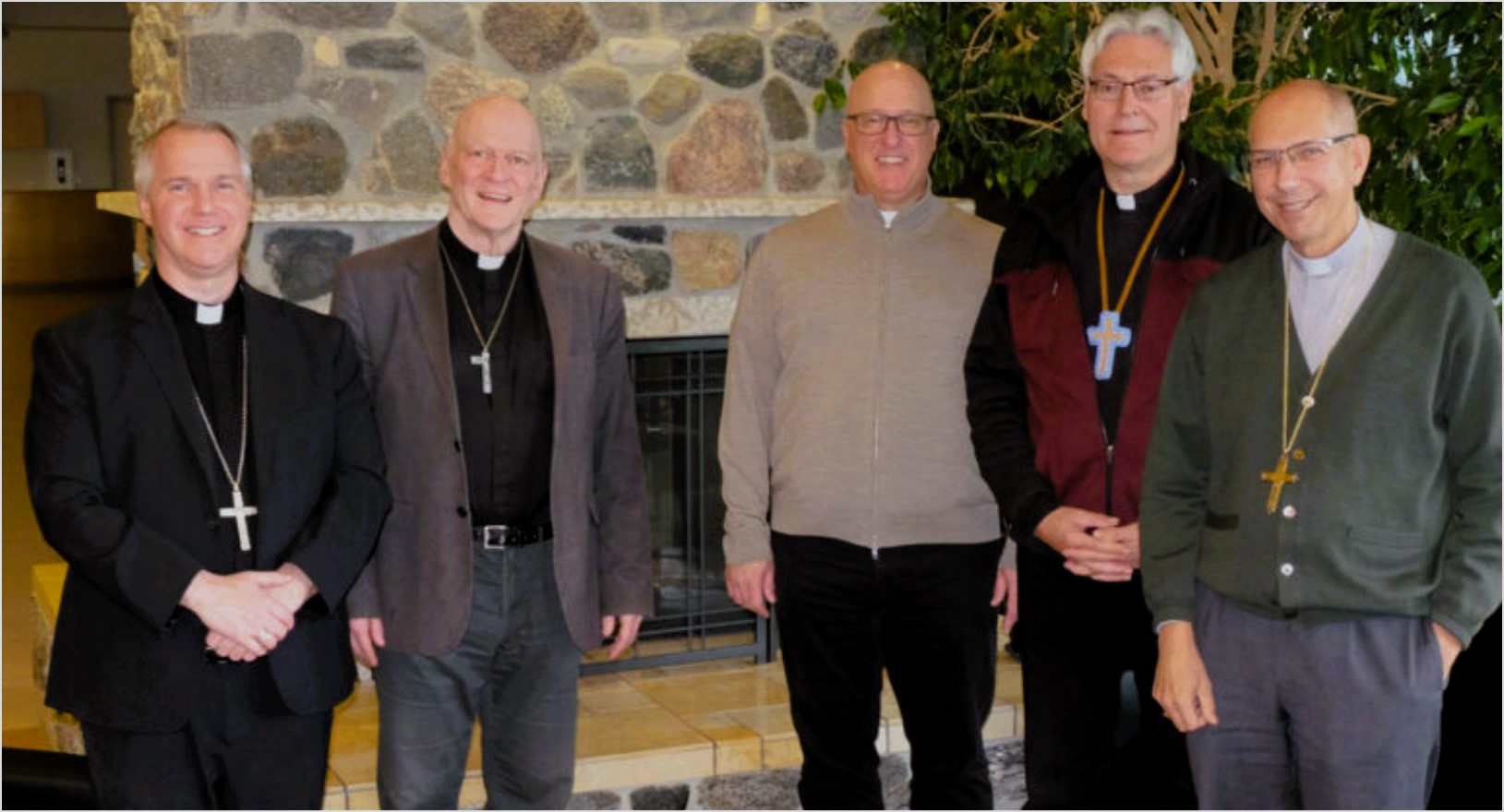

Calling for a listening and caring response to those who are suffering, the Catholic bishops of Saskatchewan on March 25 issued a pastoral letter on the expanding reality of medically provided death in Canada.
Released on the Solemnity of the Annunciation, Dying with Hope: Living and Walking Together again expresses the bishops’ profound concern about the expansion of euthanasia – “euphemistically known as Medical Assistance in Dying (MAiD).”
Echoing their 2017 letter about medically assisted death, the Saskatchewan bishops again call for formation in “a Christian understanding of living and dying, so that we can witness to the world that there is another way.”
Too often the Church’s stance against intentionally taking a human life is heard as a “no,” note the Saskatchewan bishops. “But in saying ‘no’ to assisted suicide, the Church is saying ‘yes’ to accompaniment; ‘yes’ to community; ‘yes’ to solidarity with the suffering; and ‘yes’ to caring for those who need it most. Indeed, it is because of these commitments that we can confidently reject acts that fail to recognize the dignity of each human person.”
Empathy for those who suffer and romanticized accounts of medically provided suicide in the media have led many to sympathize with those who choose a medically administered death, acknowledge the bishops, while adding that others have described “feeling shut out of end-of-life decision-making and guilt over not being able to prevent a medically administered death.”
“Above all, we hear and appreciate your profound anger and sadness when supporters of assisted suicide portray the Christian gift of accompaniment to natural death as merciless, even cruel,” add the bishops. “It is still common to encounter the objection that a rejection of assisted death implies an insistence on using every possible means to prolong life, despite burden or cost. The Catholic Church does not insist on this. There comes a time to accept death graciously. That is far different from wilfully causing it.”
In a struggling health-care system, assisted suicide is actively promoted as a favoured option, says the pastoral letter. “Medically administered death is readily accessible and, in some cases, is provided within twenty-four hours of an assessment, whereas support for chronic pain management, daily living, and palliative care can take weeks or months to access.”
The Church is called to listen to and speak on behalf of the vulnerable, the document states. “Increasingly, vulnerable people are being forced into terrible choices by a system that offers aid in dying but fails by not always offering aid in living. We are called to speak on behalf of faithful health care workers, heirs of a long and proud tradition of compassion and care in our province, who seek the support and resources to provide dignified, life-affirming care.”
The Church is also called “to give voice to the Word spoken by God, the Lord and giver of life, defender of the weak and the oppressed, who calls us to ‘never tire in firmly speaking out in defence of life,’” add the bishops, quoting St. John Paul II.
The pastoral letter emphasizes Christian hope, grounded in Christ’s victory over death, and encourages confronting the current challenges head-on and bearing witness to the intrinsic value of those who are dying, elderly, or living with chronic illness through concrete actions.
The Saskatchewan bishops assert: “We support a vision of health care as medical assistance in living and assert that the genuine autonomy of vulnerable persons requires uncompromising support for them and their families to live fruitful lives. We do well to ask: Where is our constitutional right to suitable housing, aid for disabled persons and palliative care? Why is a ‘constitutional right’ to death at the forefront of discussion about care for the elderly? What meaning does ‘autonomy’ have when death is offered while support in living is withheld? In such a context, ‘choice’ is not experienced as freedom, but as a threat.”
The pastoral letter concludes by encouraging the faithful to pursue concrete actions, including supporting and participating in the Horizons of Hope Toolkit for Catholic Parishes on Palliative Care, developed by the Canadian Conference of Catholic Bishops, and engaging in conversations about dying, including filling out a Faith-Based Advanced Care Directive, available from the Catholic Health Association of Saskatchewan.
“Finally, commit yourself to accompanying vulnerable individuals as they navigate our health-care system, including hospitals, clinics, and long-term care facilities,” the bishops urge the faithful. “Increasingly, medical personnel are suggesting the idea of a medically administered death to those who are vulnerable because of a serious diagnosis. Often the patient will acquiesce with devastating consequences. Supporting individuals as they consider complex health-care decisions or receive care is a gift to both the individual who is seeking care and the person who faithfully stands with them.”
Your voice matters! Join the conversation by submitting a Letter to the Editor here.