
Our Lady always came to aid of Chinese Christians, he says
ROME—As Chinese Catholics celebrate the feast of Our Lady Help of Christians, Cardinal Joseph Zen has asked for prayers on behalf of the country’s Christians, who often face difficulty and persecution for their faith.
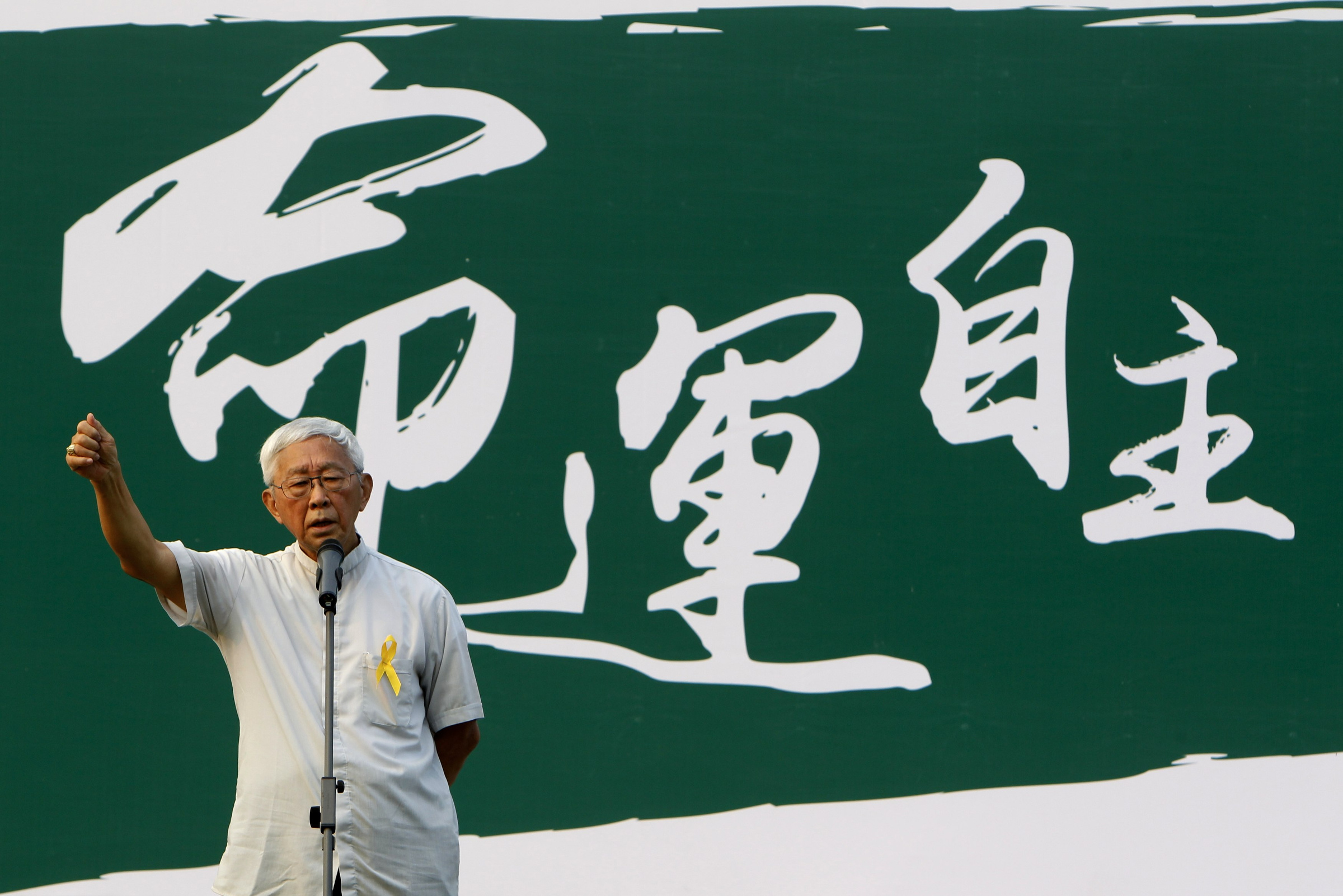
“In the history of the Church, Our Lady Help of Christians always came to help the Church in difficulty,” Cardinal Zen, Bishop Emeritus of Hong Kong, told CNA in an interview, adding that this help has always been particularly strong when attached to the Rosary.
Cardinal Zen, 85, is one of the most prominent Catholic voices in China, and is outspoken when it comes to the country and its Christian population.
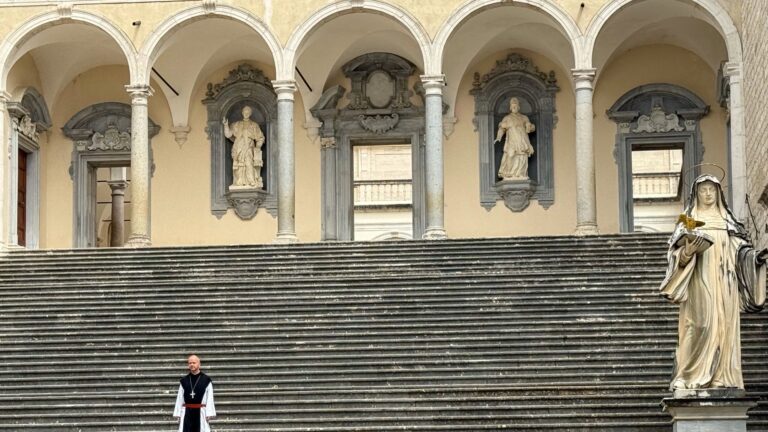
He spoke ahead of the May 24 feast of Mary Help of Christians, who is highly venerated among Chinese Catholics. Sheshan Basilica in Shanghai is dedicated to her, where she is also known as Our Lady of Sheshan.
Cardinal Zen recalled that in a letter to Chinese Catholics in 2007, Pope Benedict XVI “composed a wonderful prayer” to Our Lady of Sheshan, suggesting that May 24 become her permanent feast, and asking that it be a day of prayer dedicated to the Church in China.
The Holy See has had a reduced diplomatic presence in Beijing since the communist victory in the Chinese Civil War, with the nunciature being moved to Taiwan in 1951.
China-Vatican relations have been cool ever since, but with some apparent thaws. After Benedict XVI’s letter in 2007, a series of bishops appointments approved both by the Chinese government and the Holy See took place.
The Church in China, however, is still in a difficult situation. The government of the Chinese People’s Republic never recognized the Holy See’s authority to appoint bishops. Instead, it established the Chinese Catholic Patriotic Association (PA), which is a sort of ecclesiastical hierarchy officially recognized by the Chinese authorities.
In his letter, Benedict said the PA was “incompatible with Catholic doctrine,” since in their assemblies, held every few years, both legitimate and illegitimate bishops were treated equally by the PA, particularly regarding the sacraments.
For this reason, Chinese bishops recognized by the Holy See entered a clandestine state, thus giving life to the so called “underground Church” that is not recognized by the government.
Talks with China are currently centered on bishop appointments, but as of now haven’t touched the possibility of establishing diplomatic ties.
The deal currently on the table would essentially allow the Pope to choose bishops from a list of candidates for the episcopacy.