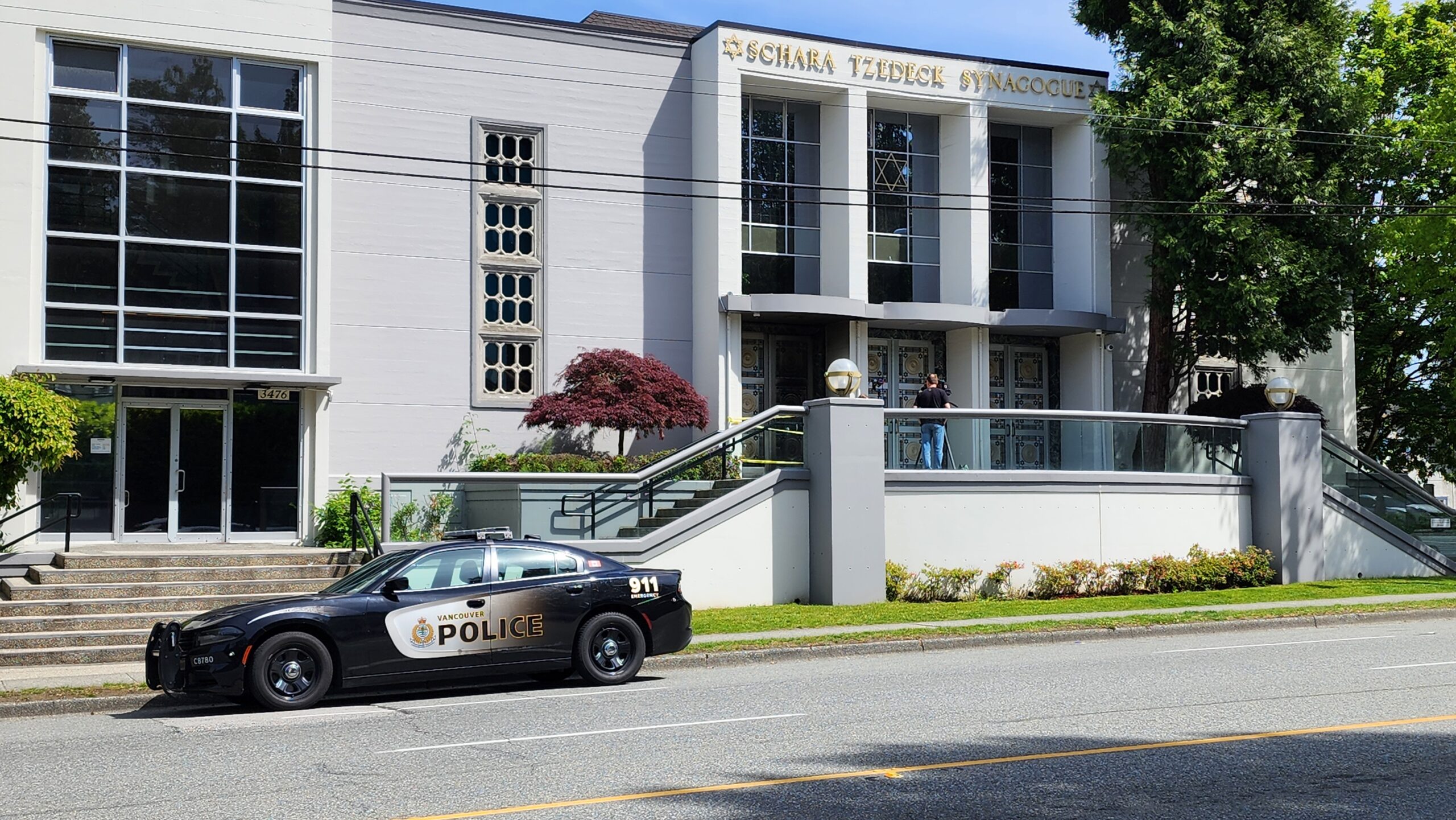

The B.C. government says it will introduce legislation creating protest buffer zones around schools and places of worship, citing concerns about harassment and intimidation but providing few specific examples of incidents it says the law is intended to address.
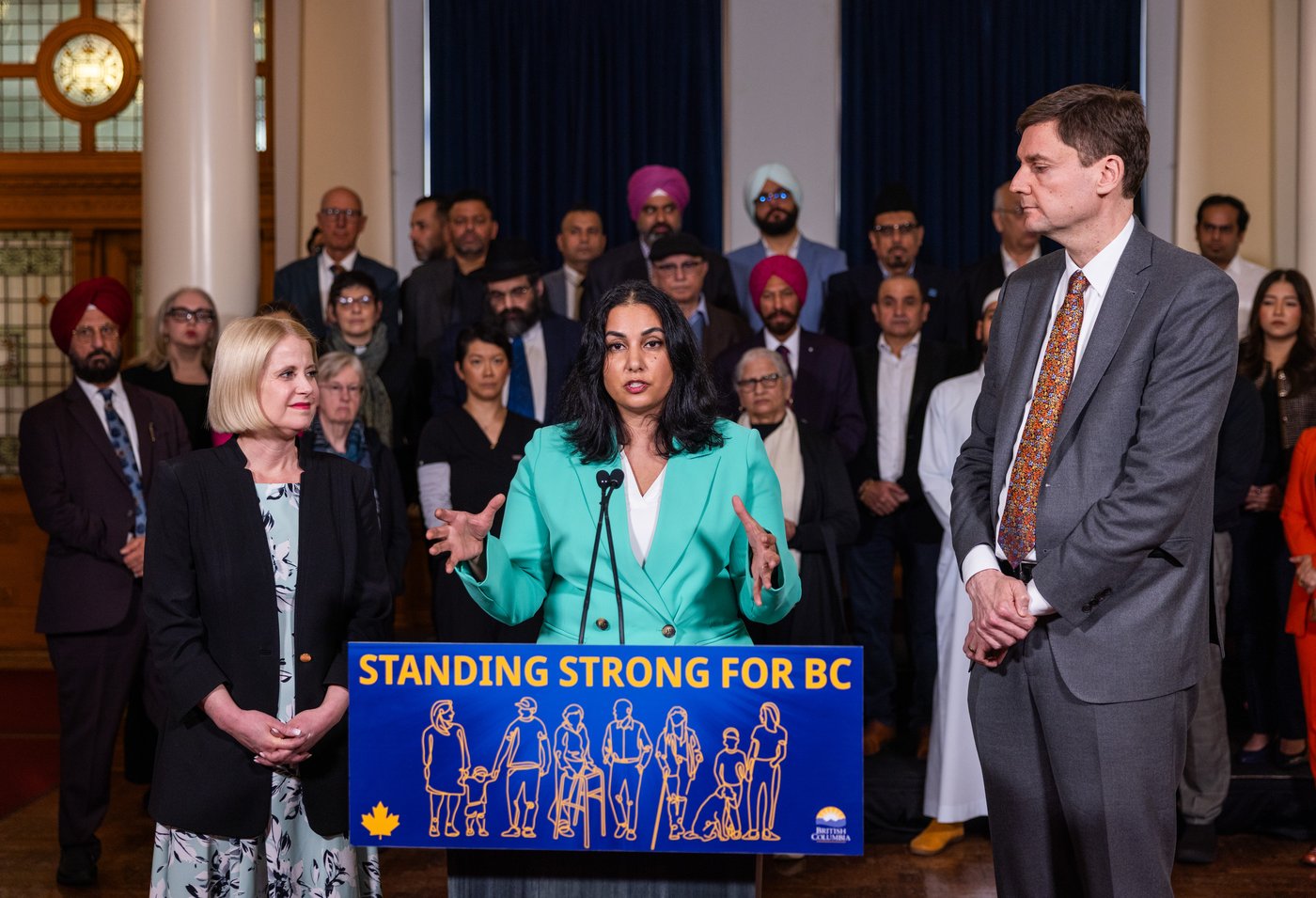
“The ability for kids to learn and the ability for everyone to pray without harassment or intimidation is fundamental to who we are as Canadians and British Columbians,” Premier David Eby said at a press conference announcing the proposal. “These new protections will help ensure people can attend school and gather in prayer and celebration in peace.”
The proposed legislation would prohibit specified conduct within designated zones around schools and places of worship, including obstructing access, disrupting activities, intimidation, and, in some cases, attempting to persuade someone not to attend.
The announcement follows an open letter sent to Eby in April 2024 by religious and cultural leaders, including then-Archbishop J. Michael Miller, asking the province to strengthen protections for places of worship and community institutions after incidents of vandalism, harassment, and disruptive protests.
The 2024 letter pointed to rising tensions linked to global conflicts and said some communities had faced difficulty accessing places of worship, schools, and community services. It did not specifically call for the creation of protest buffer zones.
According to a B.C. government backgrounder, the proposed legislation is modelled on earlier provincial laws, including B.C.’s Access to Abortion Services Act and the Access to Services (COVID-19) Act, which established access zones around health facilities.
The government is also proposing to extend the Safe Access to Schools Act, which it introduced in 2023 following protests at school board offices over sexual orientation and gender identity policies. The law establishes “access zones” around schools, including school property and a 20-metre buffer, where specified forms of harmful behaviour are prohibited and police may intervene. The legislation is set to expire in July.
Civil liberties advocates raised concerns about the proposed legislation, warning that expanding protest buffer zones could restrict lawful expression.
The B.C. Civil Liberties Association said the creation of protest-free areas raises fundamental Charter issues.
“Implementing bubble zones limits peaceful protests and our right to freedom of expression,” the organization said in a statement. “In a time when having our voice heard is harder than ever, protecting our right to speak out is critical to democracy.”
Christine Van Geyn, litigation director of the Canadian Constitution Foundation, said the proposal appears to extend a trend in Canada toward expanding so-called “bubble zone” laws beyond their original use around abortion clinics.
“Bubble zones have been expanding dramatically in recent years,” Van Geyn said. “Before 2020, they were largely limited to abortion clinics. Now we’re seeing them applied to schools, libraries, community centres, hospitals and places of worship.”
Van Geyn said the foundation is still reviewing the details of the B.C. legislation but warned that such laws can raise constitutional concerns because they restrict protest based on location.
“Bubble zones in general are a bad legal take,” she said, adding that existing Criminal Code provisions already address intimidation, harassment and threats.
The B.C. Humanist Association has also criticized the proposal, calling for the legislation to be withdrawn.
Executive director Ian Bushfield said the bill could criminalize protests near religious institutions even when the activity inside is political rather than religious.
“Some of those events have attracted significant controversy both from their congregations and the broader public,” Bushfield said. “This bill criminalizes any protest near these sites under the guise of protecting religious freedom.”
The association also expressed concern about provisions defining “interference” broadly, including attempts to persuade someone not to attend an activity at a place of worship.
Attorney General Niki Sharma said the proposal is intended to balance freedom of expression with the right of people to access schools and places of worship without intimidation.
The province said more than 40 protest disruptions have occurred outside K-12 schools since 2023, though it did not provide details about those incidents or comparable data relating to places of worship.
Your voice matters! Join the conversation by submitting a Letter to the Editor here.