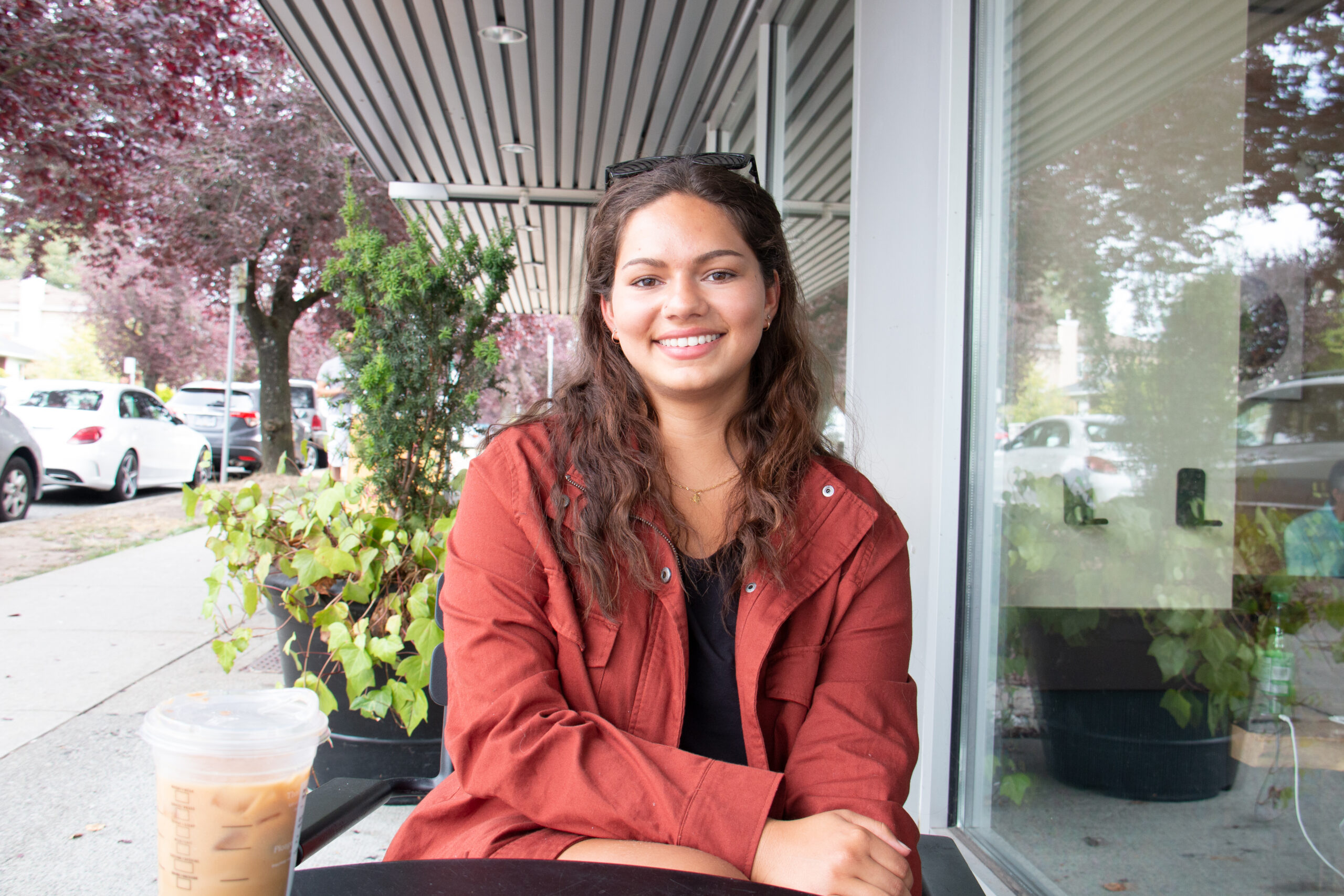

Myka Asks series answers questions about addiction, the law, and recovery
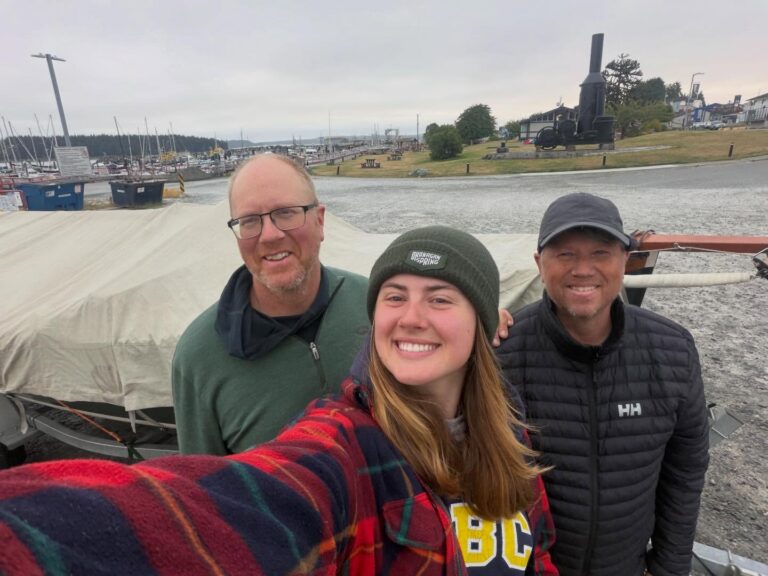
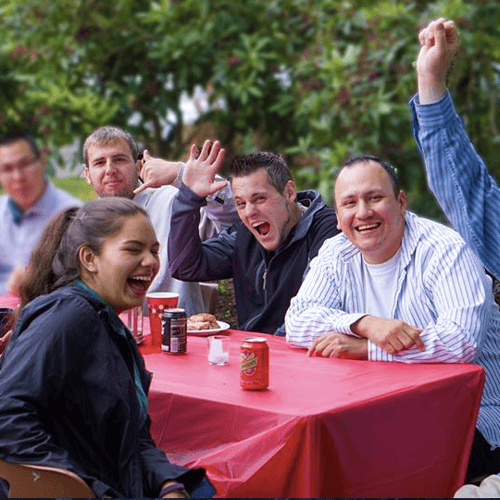
When Myka Kollmann isn’t buried in textbooks at the University of British Columbia, she can often be found playing games with, running errands for, and laughing with recovering drug addicts at Luke 15 House.
The twenty-something woman wasn’t always so comfortable around gruff-looking, tattooed men who have had run-ins with the criminal justice system. Growing up in the Bronx, then in B.C.’s Lower Mainland, Kollmann often shied away from people who were homeless, panhandling, or might have an addiction.
But at age 10, she started helping out at the first-stage recovery house in Surrey.
Initially she tagged along because her family volunteered at Luke 15 (current director Nigel Vincent is her uncle), but before long she was going of her own accord.
“As I got a bit older, I started volunteering there with fundraisers, events, weekly dinners for community members, one-year cake celebrations, and just going and spending time and helping out any way I can,” said Kollmann.
“A lot of people have the assumption that these individuals either chose to do this, or it’s their fault they are in this life situation, or they are lazy and don’t get help, or they are a drain on the economic system. I also struggled with a lot of those.”
But volunteering at a men’s home for recovering addicts, as well as a summer internship with criminal defence lawyers in 2017, changed her view.
“I had a mind-blowing experience. There are things that surround drug addiction and people who going through it that are acting as barriers to people seeing the value in them and their capability, interacting with them, and being able to help them.”
Kollmann, in the midst of an undergraduate degree in social justice and environmental studies, sought a way to pull back the curtain on addiction, recovery, and criminal justice.
With help from three lawyers at Lower Mainland Law (where she’d spent a summer as an intern), she created Myka Asks, a video series that answers questions about what it’s like to live with drug addiction, how it feels to be arrested, what an average day at a recovery house looks like, and others.
“We wanted to tell a story,” said Kollmann. The videos feature three lawyers, the director of Luke 15, and a handful of recovery house residents.
“They are viewed as just addicts or criminals,” she said of the residents, whose faces are blurred to protect their privacy and give them the opportunity to speak freely. Through conversation, she learned many had begun using drugs to try to cope with abuse, personal crises, or other trauma.
“We’re hoping to get people engaged in discussions about drug addiction and recovery,” and help them “view the individuals who are affected by it and their families as people who are worthy of care, respect, and love, and who deserved to be listened to and heard, and have an opportunity to contribute.”
Kollmann said she also hopes her videos provide useful information about drug addiction and criminal justice without losing her viewers in legal jargon.
Her videos are being released weekly on the Lower Mainland Law YouTube channel and her Facebook page has hundreds of followers.
The vast majority of Luke 15 residents – about 98 per cent – have had run-ins with the law. With only one semester of her undergraduate degree left, Kollmann is looking forward to entering law school. “My real interest is public policy,” she said. “I would love to help make some changes that will help people who come into contact with the legal system, help them protect their rights, and help them to defend themselves.”
After laughing along with the residents of Luke 15, her perspective on drug addicts has been forever changed.
“A lot of them have that [hard exterior] because they have been hurt, misunderstood, mistreated, and yet under all of those things, there is so much warmth, love, joy, capability, and strength in all of them,” said Kollmann.
“It’s so amazing to be able to see that and witness their strength of going through recovery and becoming a better version of themselves.”
Luke 15 House is a Christian non-profit supported by the Archdiocese of Vancouver and various Catholic and other organizations. For more information, including volunteer opportunities, call 604-930-4884 or email info@luke15house.org.
Myka answers
Three misconceptions about people with drug addiction:
“They are dangerous.” People can be quite scared of those who either live on the streets or are going through drug addiction because of the way they dress or their appearance. People stay away because they think it could be a threat or dangerous. That’s not true in most cases.
“When they encounter the criminal justice system, they should go to jail.” From my experience, that’s not true most of the time. A lot of these people encounter more drugs in jail and are with people who they knew on the street with drug addiction. Often, they don’t have an opportunity to speak to someone who cares and listens. They need to be removed from that environment of drugs and alcohol and violence and put into a place of recovery, a new environment, so they are able to heal, grow, and recover.
“They abuse the system by draining valuable time and resources.” There are a lot of individuals who go through recovery and don’t get it on the first try. It is a full life process. It never ends or stops. These people need a lot of patience, support, and care. It may not work for them on the first try, but more often than not they end up coming back and trying again. It is a constant struggle.