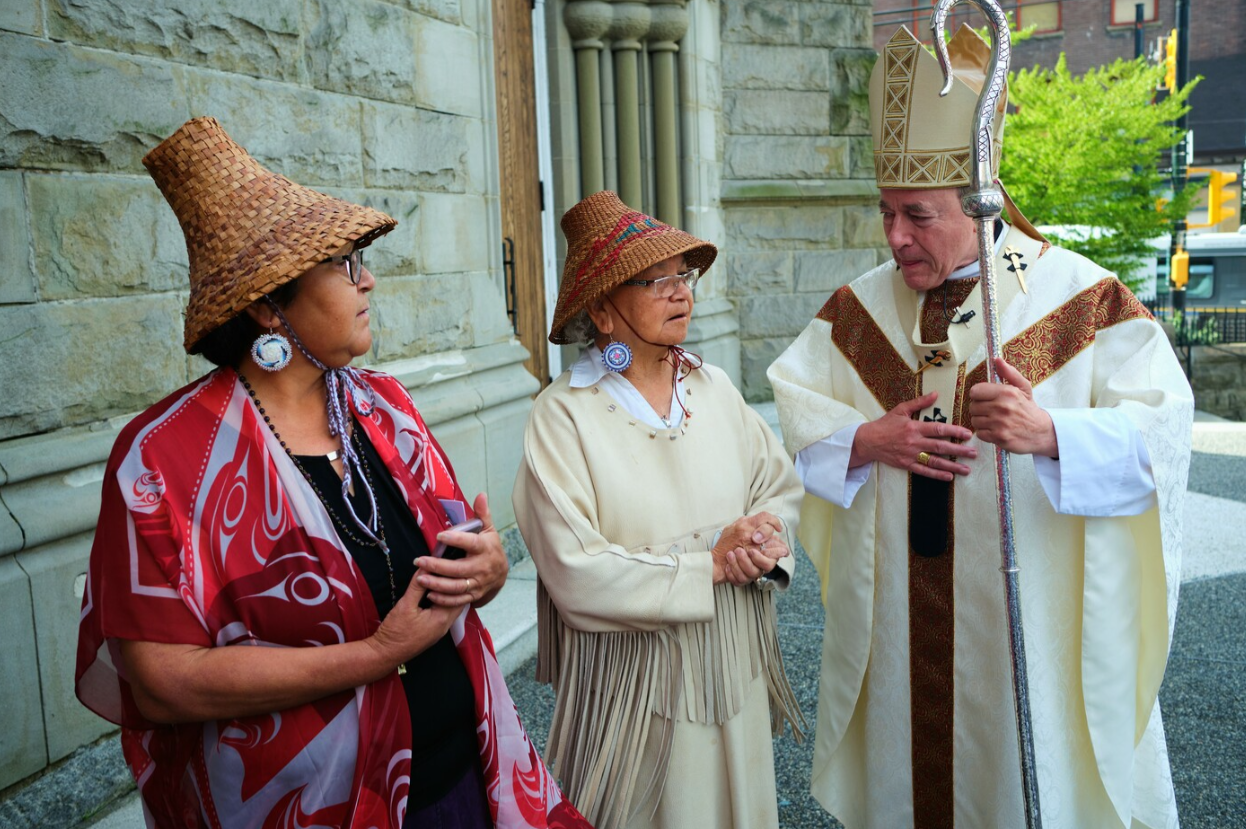

For over a year, The B.C. Catholic has been publishing a series of articles that examine more than a century of truth, healing, and reconciliation between the Archdiocese of Vancouver and Canada’s Indigenous peoples. The series has highlighted the complex history of that relationship, the Archdiocesan Synod’s First Nations recommendations, and progress made through dialogue and prayer. This week, the focus is Archbishop J. Michael Miller’s legacy of acknowledging the Church’s role in the residential school system and committing to ongoing healing and reconciliation.
First Nations Ministry
In 2009, Archbishop Miller announced the creation of the Archdiocese’s First Nations Ministry Office. Its mandate was to implement the Archbishop’s pastoral vision, oversee a strategic plan for First Nations ministry, and promote healing. Rennie Nahanee, a parishioner of St. Paul’s in North Vancouver, member of the Squamish Nation, and former Aboriginal liaison to the Canadian Conference of Catholic Bishops, was appointed coordinator.
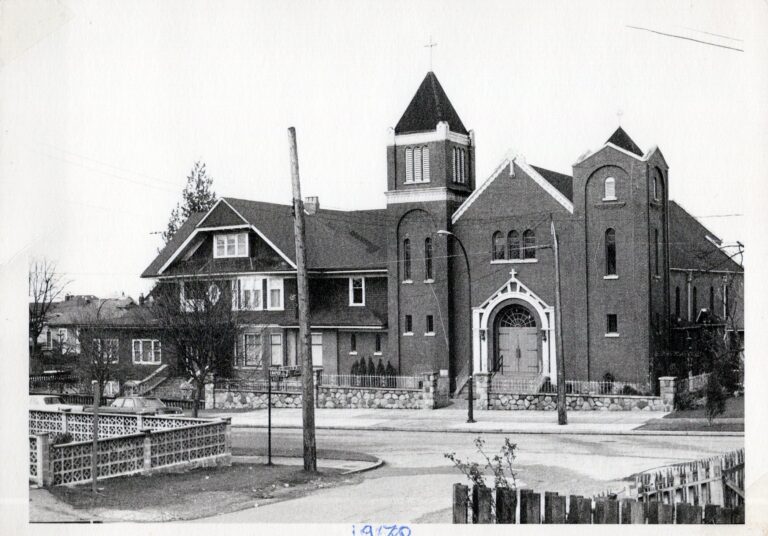
At a June 2009 celebration marking the 125th anniversary of St. Paul’s Indian Catholic Church, Archbishop Miller echoed Pope Benedict XVI’s sorrow over the suffering caused by residential schools. “It is necessary for me, as Archbishop of Vancouver,” he said, “to acknowledge, regret, and repent for ways in which some members of the Church have failed to respect the cultural differences among us.”
Residential Schools and Structural Sin
In 2010, Msgr. Mark Hagemoen, Episcopal Vicar for Pastoral Services for the Archdiocese, and Sister Marie Zarowny provincial for the Sisters of Saint Ann in Western Canada represented the Archdiocese at a residential school awareness event hosted by the Indian Residential School Survivors Society. They pledged to dismantle discriminatory attitudes and foster conditions where First Nations have a rightful place and voice.
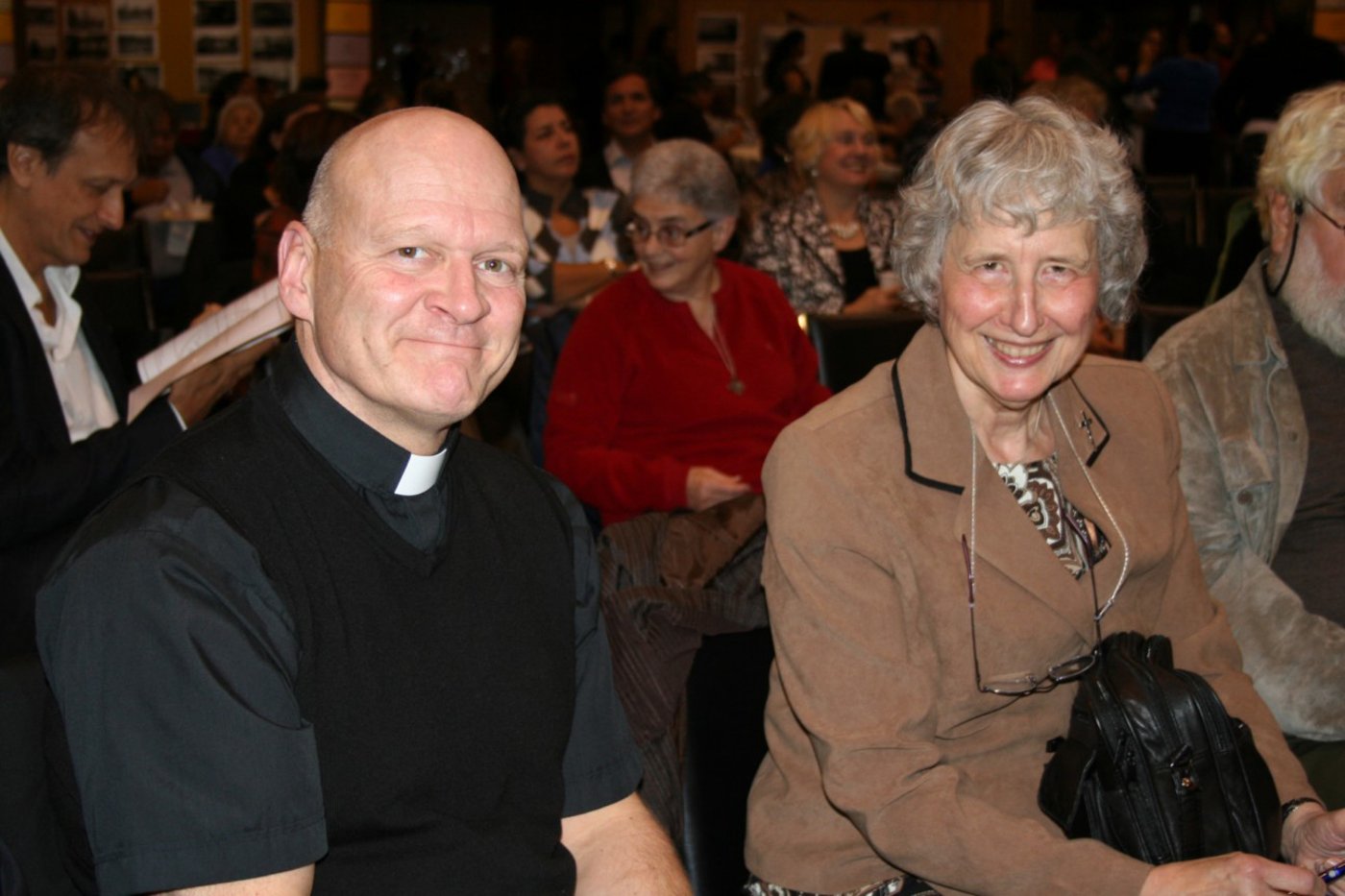
In 2011, Msgr. Mark Hagemoen and Sister Marie Zarowny, SSA, joined a panel of representatives of the Catholic, Anglican, Presbyterian, and United Churches who operated Indian residential schools throughout Canada.
A year later, Archbishop Miller awarded Sister Zarowny an honorary doctorate, thanking her for challenging the Church to embrace its social teaching. With the Truth and Reconciliation Commission (TRC) coming to Vancouver, he said: “We must be especially alert to the great questions of reconciliation of First Nations, Métis, and Inuit Peoples and other Canadians.”
In 2013, the bishops of British Columbia and Yukon, including Archbishop Miller, issued a letter inviting Catholics to attend the Vancouver TRC event in September and expressed deep regret and apoligized for abuses that took place in residential schools.
At the TRC gathering on Sept. 18, Archbishop Miller joined in a monring process into Pacific Collisuem with Native songs and drugmming. He said, “We’re here because we were perpetrators of the disastrous policy.” Bishops from Kamloops, Victoria, Whitehorse, and Nelson joined him in offering public apologies.
‘Expression of Apology and Hope’
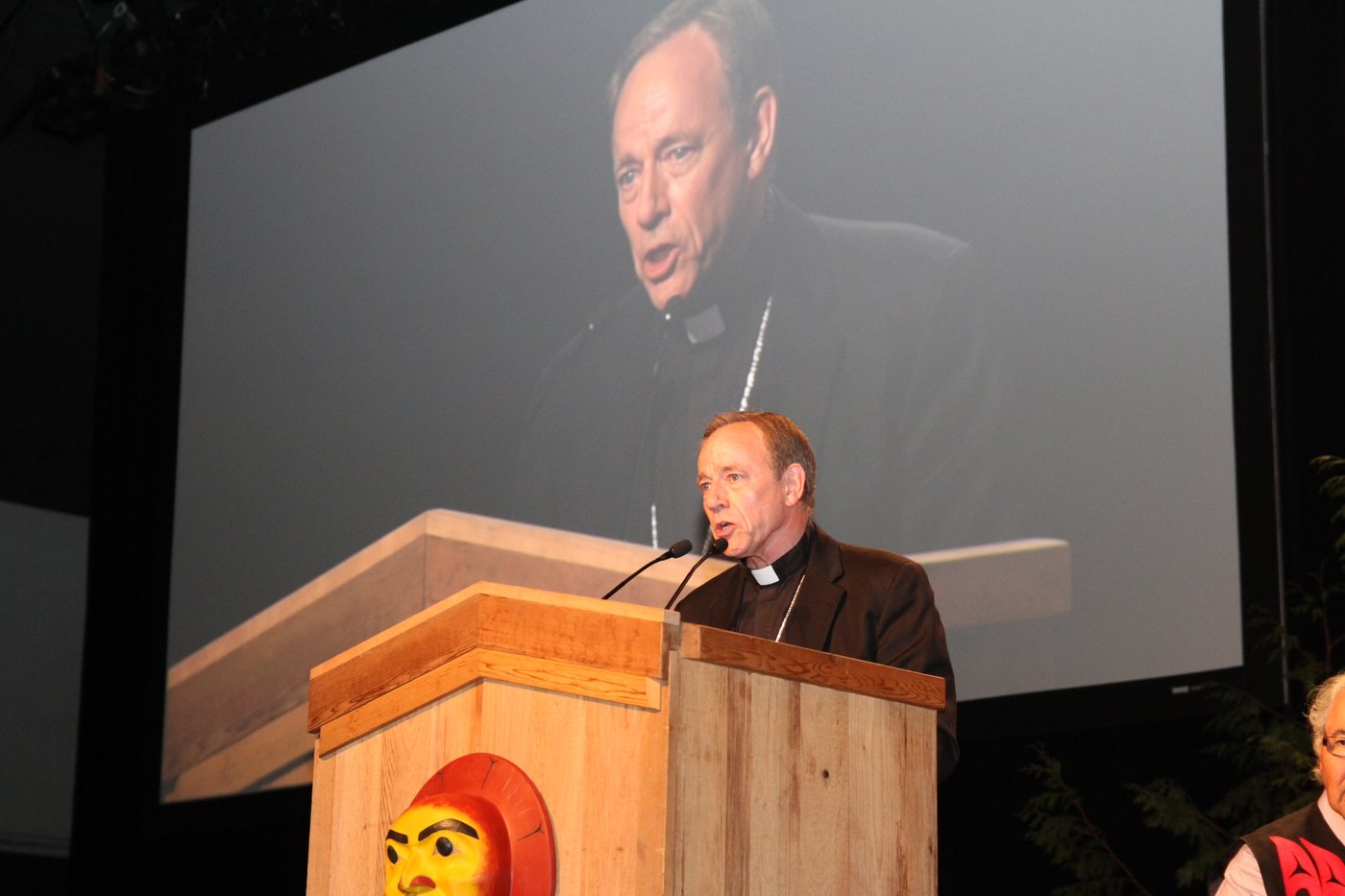
On Sept. 20, Archbishop Miller delivered his Expression of Apology and Hope to survivors:
“We failed to live up to the trust placed in us. Over the century of their existence, tragic incidents of cultural, emotional, physical, and sexual abuse took place at these schools … For any abuse that took place, I wish to apologize sincerely and profoundly … I acknowledge our error in supporting a policy aimed at suppressing Aboriginal cultures and languages.”
He outlined commitments to healing, including support for education and cultural programs and reaffirmed the Archdiocese’s responsibility “to being heralds of hope and reconciliation.”
Bishop John Corriveau, OFM Cap., of Nelson spoke about his diocese’s “Returning to Spirit” session conducted in 2011 at the site of the only former residential school in the diocese, St. Eugene’s in Cranbrook. He said it had been his “first experience with Native peoples,” and he left with a strong impression of the “institutionalized violence done to families” by the government-mandated removal of Native children from their homes. “I was moved by the people who were bound and determined to re-establish the family (as an) essential element, a profoundly Catholic goal.”
At the event, 26 clergy and lay leaders listened to survivor testimonies and offered apologies. The Archdiocese also made archival residential school photos available and sent students from all Catholic high schools to attend the TRC’s Education Day.
At a reconciliation walk on Sept. 22, with 10,000 participants, Archbishop Miller again apologized publicly. “Let us be open to listening, to healing broken relationships … and above all, to receiving the gift of reconciliation,” he said.
Moving Forward Together
Following the TRC, the Archdiocese launched the “Moving Forward Together” campaign to fund healing and educational programs. Archbishop Miller emphasized this collection would not go to legal settlements but directly to local initiatives.
TRC Process Conclusion
In June 2015, as the TRC process ended, Archbishop Miller reaffirmed the Archdiocese’s apology:
“We failed to live up to the trust placed in us … We honour those survivors who have had the courage to tell the truth.”
He noted the Archdiocese’s decades-long efforts, from joining the CCCB’s residential schools committee to forming a First Nations Council and hosting reconciliation events and synodal dialogues.
He reiterated: “We recommit ourselves … to being heralds of hope and reconciliation … to hand on to our children and grandchildren a world where hope replaces despair.”
Continuing Action and Education
The Archdiocese participated in national closing events in Ottawa, local ecumenical services, and launched “Heart Garden” remembrance projects in Catholic schools.
The Catholic Independent Schools of Vancouver Archdiocese adopted B.C.’s new K-9 curriculum including First Nations content, integrating it with religious education. In 2016, Archdiocesan staff took part in a blanket exercise to deepen awareness of First Nations history and reconciliation.
Walks and National Apology Calls
The second Walk for Reconciliation took place in Vancouver in 2017, and Fraser Valley Catholics held their own 35-km walk to St. Mary’s Mission in Mission, site of a former residential school. Deacon Nahanee was deeply moved by the testimonies of survivors.
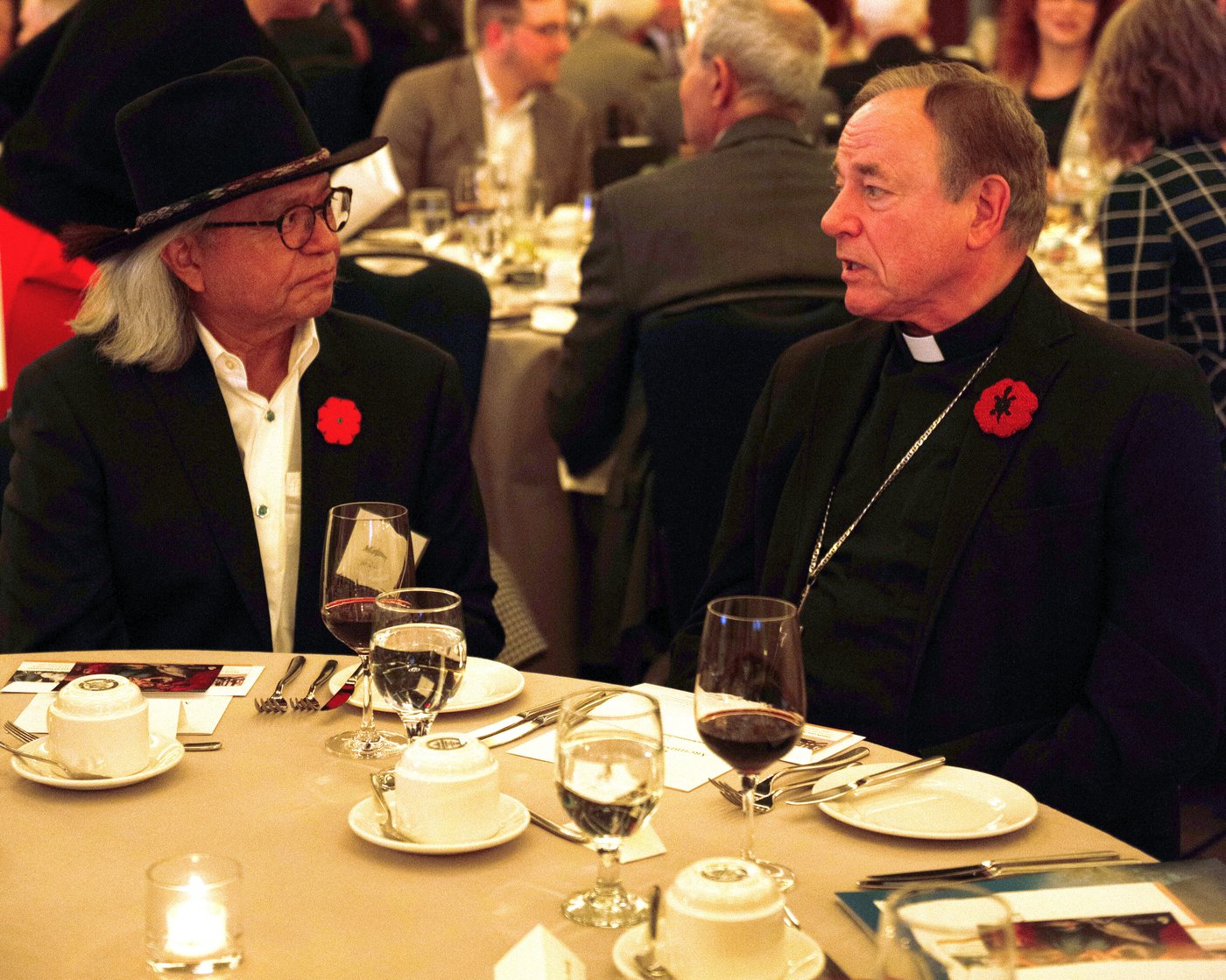
Also in 2017, the Apostolic Nuncio to Canada confirmed that Pope Francis was open to a process of healing with Indigenous peoples, though unable at the time to travel to Canada solely for an apology.
Deacon Nahanee said the Church must continue walking with Indigenous peoples, adding, “The door is not completely closed.”
Kamloops Revelations and National Day
In 2021, after the reports of unmarked graves in Kamloops, Archbishop Miller issued a statement pledging transparency and support. “We pledge to do whatever we can to heal that suffering,” he said.
The Archdiocese observed Canada’s first National Day for Truth and Reconciliation by closing the Pastoral Centre and encouraging the faithful to pray and learn.
In October 2021, the Vatican confirmed Pope Francis’s willingness to visit Canada “on a pilgrimage of healing and reconciliation.”
Recent Developments
In 2022, the Archdiocese pledged $2.5 million over five years toward Indigenous-led healing projects. That same year, Holy Rosary Cathedral hosted a historic Mass featuring prayers and hymns in Halq’emeylem, with participation from the Sts’ailes and Seabird Island communities. It was noted that the use of traditional language was deeply meaningful for those reclaiming their heritage.
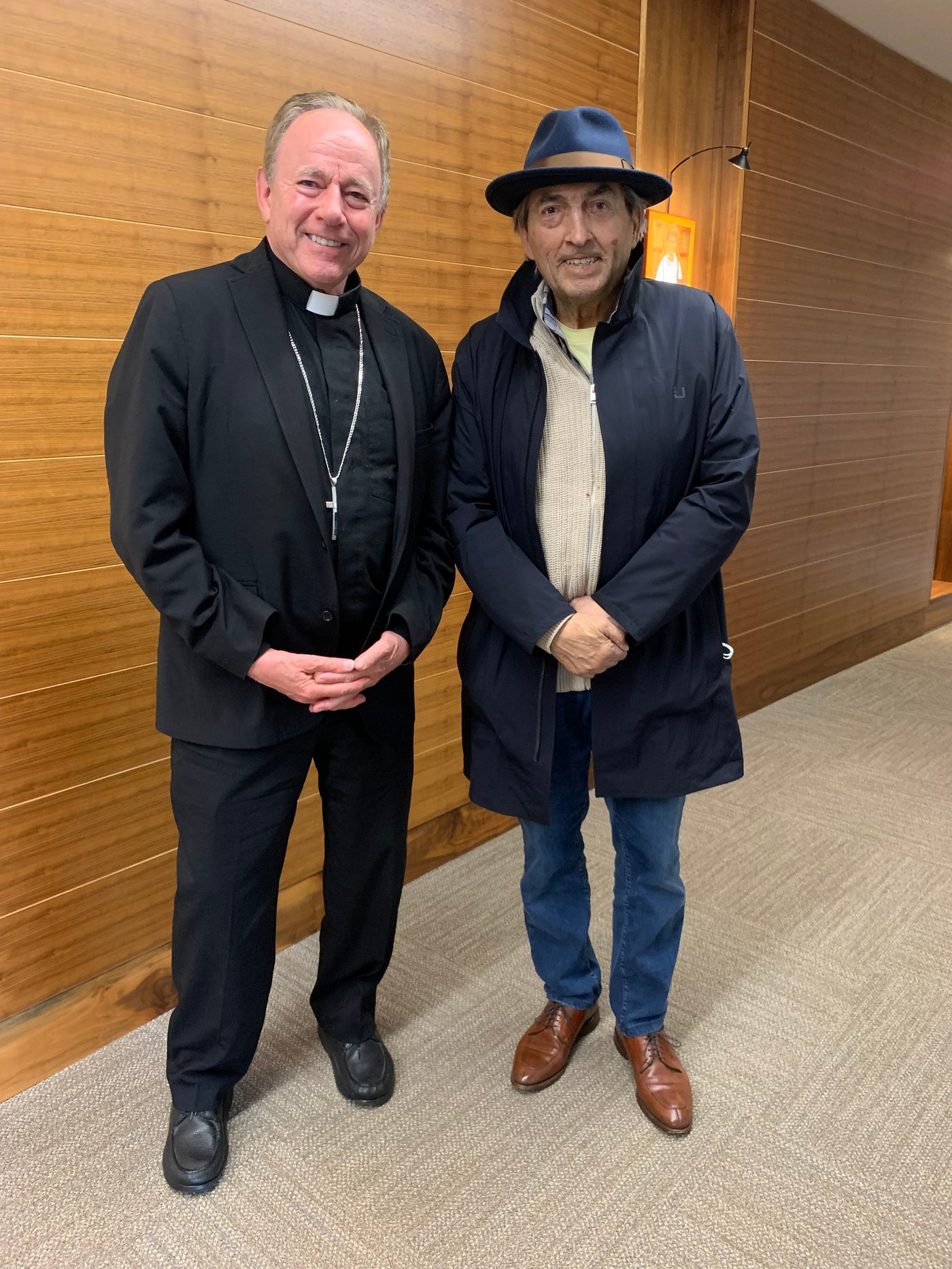
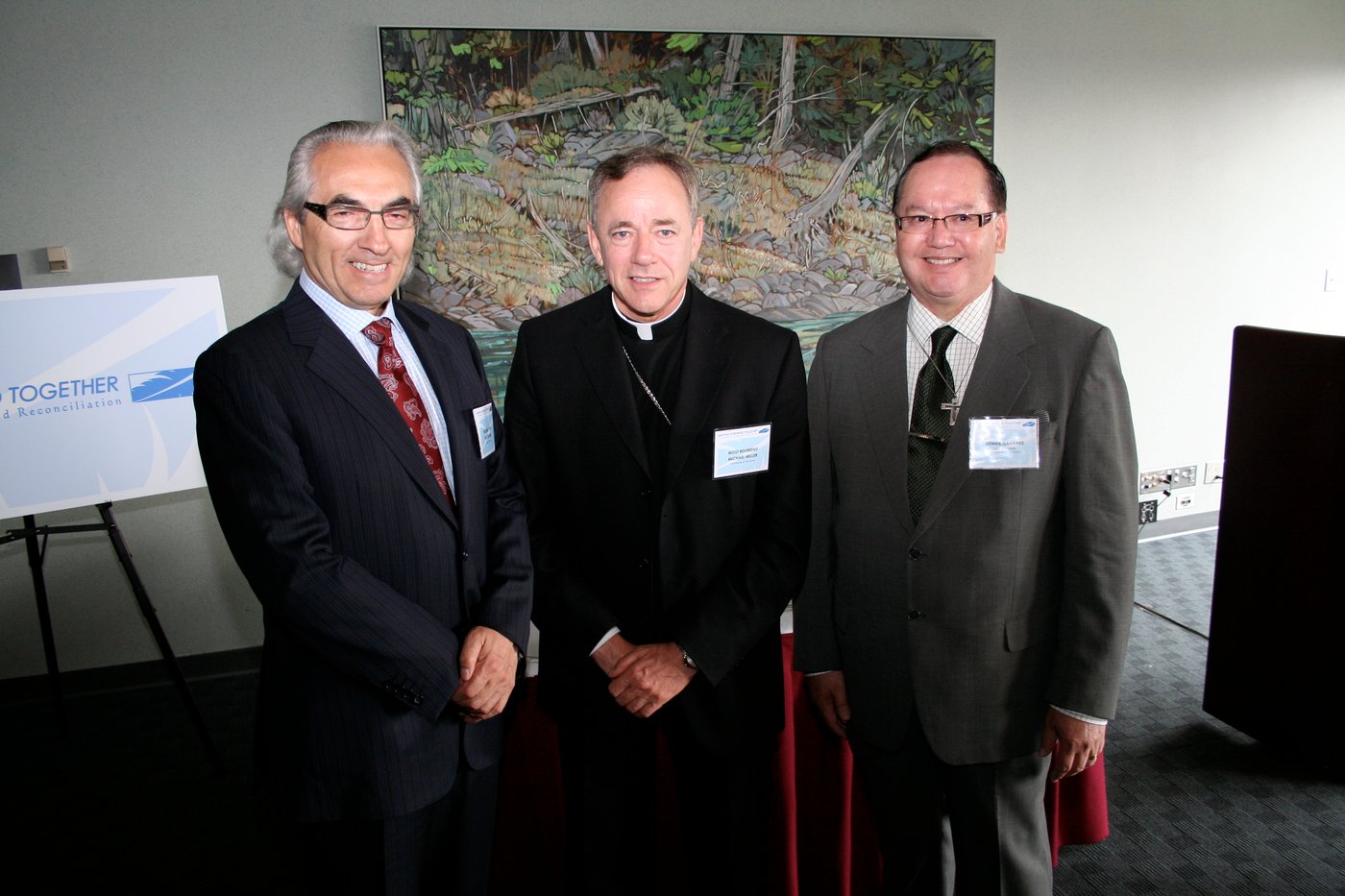
In 2022, Phil Fontaine, former National Chief of the Assembly of First Nations, paid a visit to Archbishop J. Michael Miller, who thanked him for his work during a visit by Indigenous delegates to Vatican.
The National Truth and Reconciliation Day became a statutory holiday in B.C. in 2023. In a pastoral letter, Archbishop Miller urged dialogue grounded in truth and reaffirmed Catholics’ moral obligation to confront the past.
In 2024, Archbishop Miller took part in the Easter Sunday signing of a Sacred Covenant with the Tk’emlúps te Secwépemc and Bishop Joseph Nguyen of Kamloops. The covenant was years in the making and formalized the Church’s ongoing relationship with the Nation.
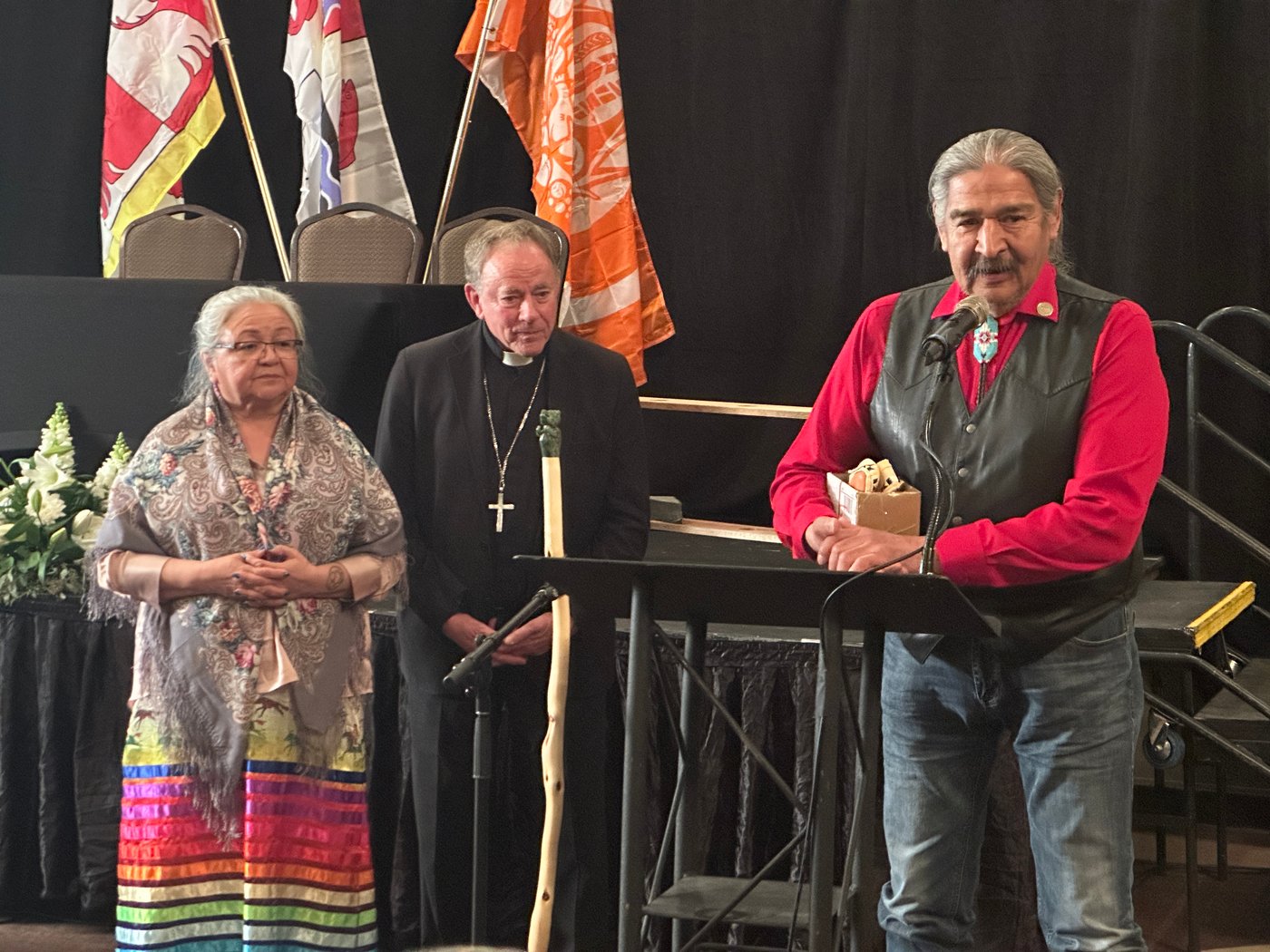
In his letter for the 2024 Healing and Reconciliation collection, Archbishop Miller noted that $1.1 million had already been distributed to more than 20 Indigenous-led initiatives. Projects include a healing pole at the Dr. Peter Centre, the film The Cost of Silence, and language classes in partnership with the Squamish Nation.
“The Covenant formalizes our ongoing relationship,” the Archbishop wrote. “Our journey together is grounded in truth, mutual respect, and justice.”
Your voice matters! Join the conversation by submitting a Letter to the Editor here.