
Since Alan Nichols’ death by voluntary euthanasia at a B.C. hospital in July, his family have questioned the imprecision of Canada’s requirements for euthanasia and assisted suicide, which include having “a grievous and irremediable medical condition.”
They doubt Nichols was able to give informed consent to his euthanizing, and maintain his natural death was not reasonably foreseeable.
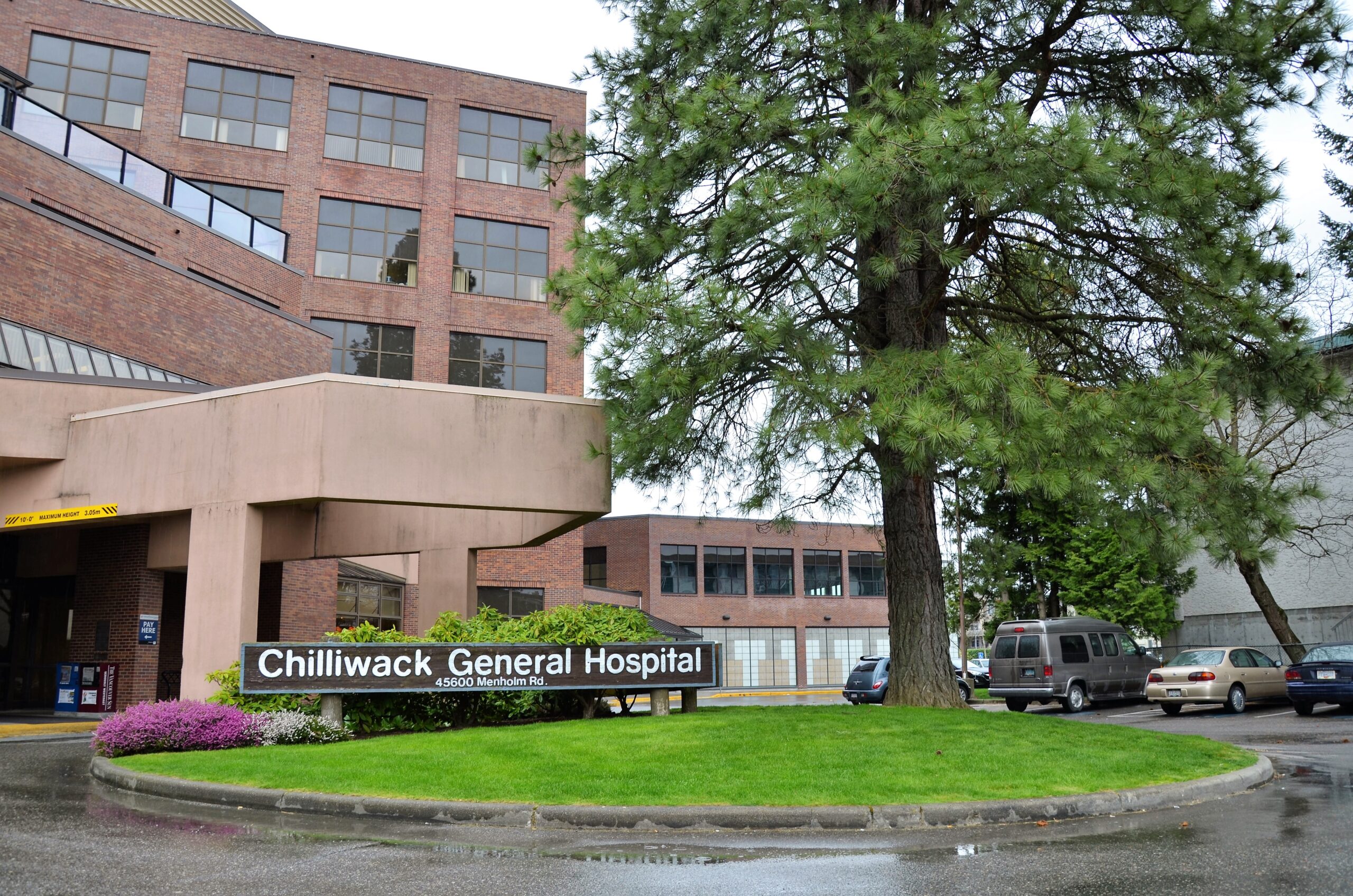
According to a Sept. 24 article in CTV News based on accounts from Nichols’ family and a neighbour, Nichols was admitted to Chilliwack General Hospital, after he was found in poor physical condition at his home in mid-June.
Nichols, who was 61, was euthanized July 26 at the hospital by medical staff who delivered three injections.
“He didn’t have a life-threatening disease. He was capable of getting around. He was capable of doing almost anything that you had to do to survive,” his brother, Gary Nichols, told CTV News. “I didn’t think he had a sound mind at all.”
Nichols had received brain surgery at age 12 and had lost his hearing and had a cochlear implant. He developed depression and took medication to treat it. But after the death of his father in 2004, he was inconsistent about taking his antidepressants.
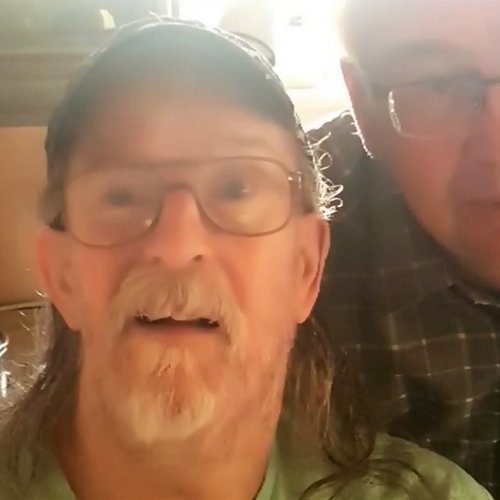
Gary Nichols, Alan’s brother, told CTV News: “He would have, maybe a period, a year (when) he would be very easy to deal with and make some decent changes. But then he would fall back into a very depressed state. Not going out in public, not seeing anybody, not eating properly.”
Nichols’ family tried to get guardianship over him in 2015 but could not get permission to do so.
Once Nichols was in hospital, his family said staff were reticent to speak to them about his status.
A doctor phoned July 22 to say Nichols was scheduled to be euthanized in four days.
Gary said he “never thought [Alan] would ever be approved even if he applied” for euthanasia or assisted suicide.
The family indicated they did not support the decision and were unable to stop it from being carried out.
According to CTV News, Nichols’ family was told two doctors had approved his application for euthanasia “and that a psychologist and psychiatrist were there to assess Nichols’ competence.”
The Canadian Association for Community Living said in a statement it was “distressed” to learn of the death, adding the case shows how doctors are able to interpret Canada’s medical assistance in dying (MAiD) law “more broadly than ever intended.”
“So much more could have been done to improve Alan’s quality of life,” CACL executive vice-president Krista Carr said. “Alan was living in poverty, lacked access to the disability supports needed to live without stress, and does not appear to have been connected to appropriate community-based mental health services. This is exactly why we need the end-of-life criterion to remain in the law — deaths like Alan’s cannot be normalized.”
In British Columbia, the death certificate of those who are euthanized or commit assisted suicide list Medical Assistance in Dying as the immediate cause of death, with antecedent causes giving rise to the euthanasia or assisted suicide listed subsequently.
Nichols’ death certificate lists stroke, seizure disorder, and frailty as causes antecedent to his euthanizing, according to CTV News.
Trish Nichols, Alan’s sister-in-law, said “Alan did not fit the criteria. Alan was capable of talking, he was sitting up, he was eating, he was going to the bathroom, we were laughing, he was out of bed. I knew by looking at him that he still had living to do. He was not near the end of his life.”
“How can you allow this with Alan, knowing his background of mental anguish and depression?” Trish asked.
“We spent 50 years helping Alan live, and in one month they signed his death warrant. How can that happen in that period of time? Where’s the legislation to protect us?”
The family have asked the RCMP to investigate Nichols death; they say the police service directed them to the provincial health ministry.
Nichols’ case highlights the lack of clarity over the criteria for euthanasia and assisted suicide in Canada, which have also been pointed out by disability advocates, pro-life groups, and bioethicists.
Eligibility is restricted to mentally competent Canadian adults who have a serious, irreversible illness, disease, or disability. While to be eligible a patient does not have to have a fatal condition, they must meet a criterion variously expressed as they “can expect to die in the near future,” that natural death is “reasonably foreseeable” in the “not too distant” future, or that they are “declining towards death.”
Fraser Health, which oversees Chilliwack General Hospital, lists on its website 10 criteria for eligibility for euthanasia or assisted suicide. In addition to having “a serious and incurable illness, disease or disability” and suffering “unbearably from my medical condition,” one criterion is that “My doctors have told me I can expect to die in the near future.”
The first step toward receiving euthanasia or assisted suicide, according to Fraser Health, is to “talk with others.” It instructs patients to “Talk to your family, loved ones and other people in your life who can support you.”
Fraser Health says two doctors or nurse practitioners “assess you separately to make sure you are eligible for an assisted death and are capable of deciding. They must agree you meet all the criteria.”
Among the statements that a patient must confirm on a euthanasia-assisted suicide request form provided by the B.C. Ministry of Health is: “I believe that my medical condition is grievous and irremediable, my suffering is intolerable, there are no treatments that I consider acceptable, I am in an advanced state of irreversible decline, and my death is reasonably foreseeable.” The form also includes a space for the “Medical Diagnosis Relevant to Request for Medical Assistance in Dying.”
According to Health Canada, among the eligibility criteria for euthanasia or assisted suicide are having “a grievous and irremediable medical condition” and giving “informed consent to receive medical assistance in dying.”
Health Canada says that to have a grievous and irremediable medical condition, you must “have a serious illness, disease, or disability”; “be in an advanced state of decline that cannot be reversed”; “experience unbearable physical or mental suffering from your illness, disease, disability or state of decline that cannot be relieved under conditions that you consider acceptable”; and “be at a point where your natural death has become reasonably foreseeable,” which “takes into account all of your medical circumstances and does not require a specific prognosis as to how long you have left to live.” It specifies that “you do not need to have a fatal or terminal condition to be eligible for medical assistance in dying.” It adds that “your natural death must be foreseeable in a period of time that is not too distant.”
The federal health department also says “you must be mentally competent and capable of making decisions” both “at the time of your request” and “immediately before medical assistance in dying is provided.”
According to the health department, many of the drugs commonly used in euthanasia and assisted suicide “are already marketed in Canada and are prescribed at lower dosages for common purposes,” such as nausea, pain control, and anesthesia.
The health department says there are safeguards to insure that those requesting euthanasia or assisted suicide “are able to make health care decisions for themselves” and “request the service of their own free will.”
According to the practice standard of the College of Physicians and Surgeons of British Columbia, “the federal government has indicated that MAiD is intended to be restricted to those individuals who are declining towards death, allowing them to choose a peaceful death as opposed to a prolonged, painful or difficult one.”
The practice standard also notes that the patient requesting euthanasia or assisted suicide “must be competent and able to give free and informed consent,” and that both of two independent medical assessors “must be satisfied that the patient is mentally capable of making a free and informed decision at the time of the request and throughout the process.”
It adds that “if either MA is unsure that the patient has capacity to consent to MAiD, the patient must be referred to another practitioner with current expertise in capacity assessment, such as a psychologist, psychiatrist, neurologist, geriatrician, or FP/GP with additional training or experience for a further in-person capacity assessment.”
At least 6,749 Canadians have died of euthanasia or assisted suicide since legislative enactment (Dec. 10, 2015, in Quebec, and June 17, 2016, in the rest of Canada), according to Health Canada.
Catholic News Agency, with local files.