
Venezuelan Canadian Augusto Figuera and his wife, Laura Ortega, were awakened after 2 a.m. on Jan. 3 by a call from a Toronto friend. She informed the couple that a military operation was underway in their homeland and shared videos and posts from social media.
Figuera and Ortega then called family members living in Caracas to learn more details from the ground. They soon surmised that the United States was involved, given the rhetoric, air strikes on drug vessels, and blockade of oil tankers in recent weeks.
Later in the morning, it was confirmed that the U.S. military had captured Nicolas Maduro, considered by many Venezuelans and the international community as an illegitimate, authoritarian dictator. Academics, news outlets, and Maduro’s political opposition have released evidence indicating he lost the 2024 presidential election decisively, but his reign endured through oppression and intimidation tactics.
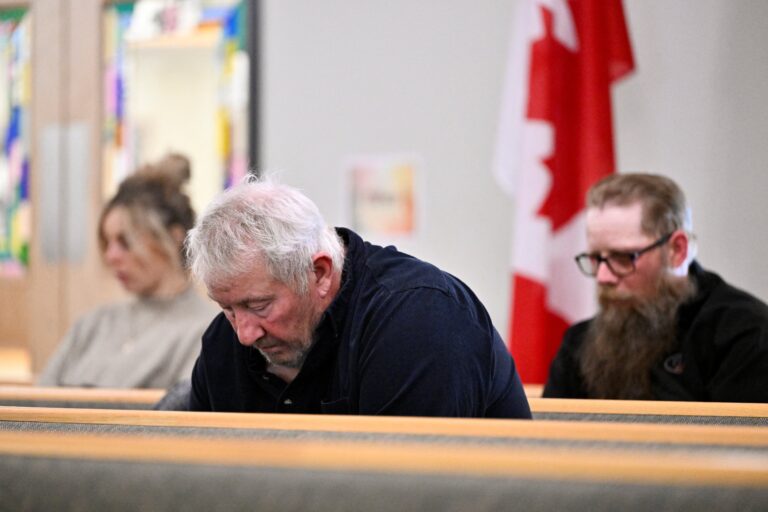
Figuera came with his family to Canada in 2014 and has attended Toronto’s Blessed Trinity Parish since 2021. They left Venezuela about a year after Maduro first came to power in 2013. The tension in the country was palpable, said Figuera, and people understood they had to be supportive of the government, “repeating what they’re saying and what they wanted.”
Figuera shared with The Catholic Register the mixture of emotions he experienced when the news broke that Maduro and his wife, Cilia Flores, were being flown to America to face criminal prosecution. “There is happiness, but also a lot of fear.”
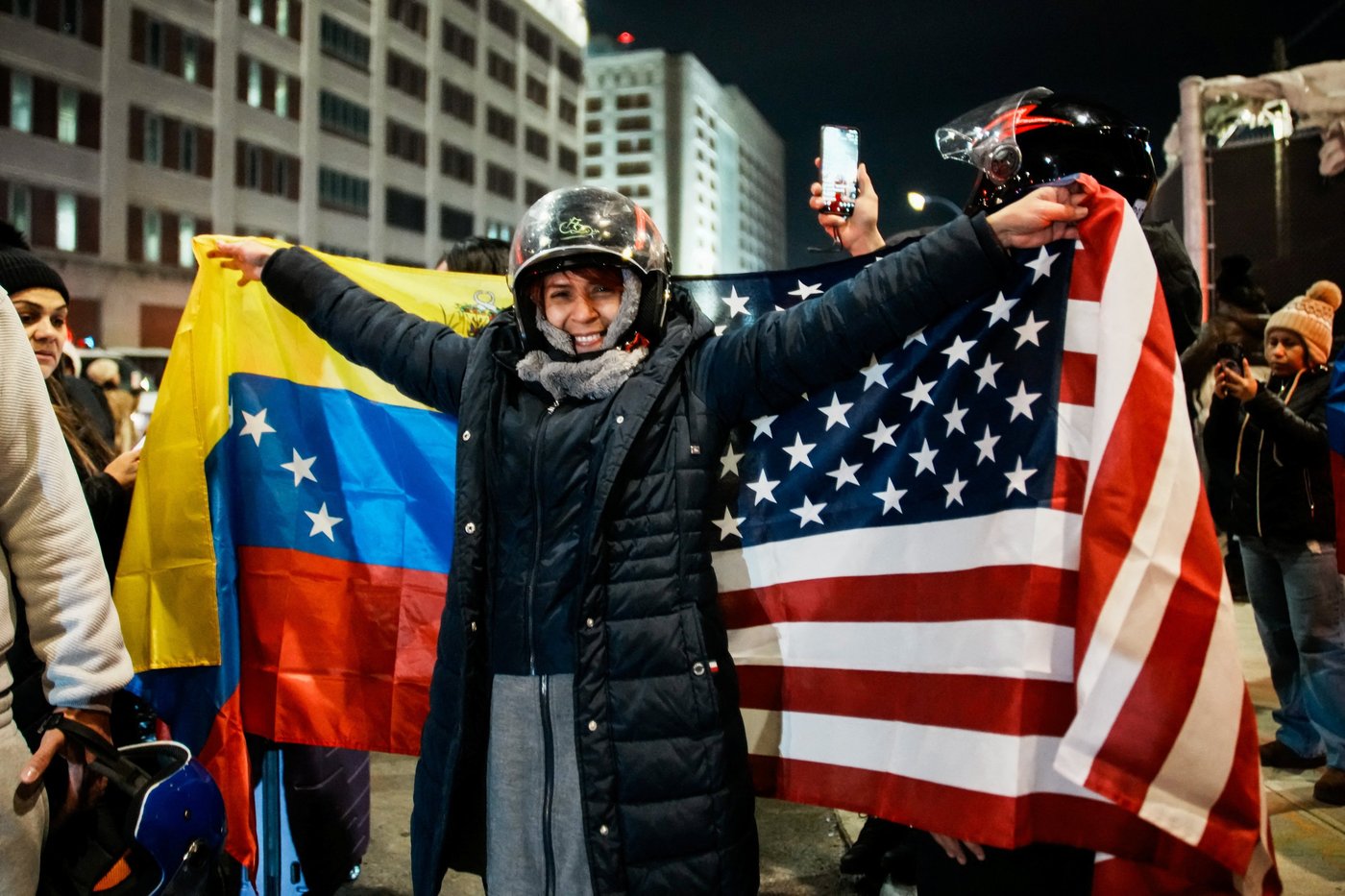
The hope is that the atmosphere of repression and fear will be relegated to the past. “Maduro and all that group are really bad people,” he said. “Seeing that there’s a way for them to be removed from power and get the punishment that they deserve for everything they’ve done is a relief.”
On the other hand, there is also anxiety about the country’s unclear future, he said. “Who’s really going to take control of the country and what’s going to happen with our friends or family there?”
U.S. President Donald Trump stated in a Truth Social post on Jan. 3 that his administration would run the country “until such time as we can do a safe, proper and judicious transition.” Since then, he has made statements to the press asserting that the U.S. is in control and has warned acting president Delcy Rodriguez to be cooperative.
Meanwhile, U.S. Secretary of State Marco Rubio said Washington would not govern day-to-day affairs but would rather press for reform through leverage over oil.
Toronto-based Venezuelan activist Rebecca Sarfatti, who co-founded the Canada Venezuela Democracy Forum, expressed her gratitude for the capture of Maduro, but said Venezuelans can’t be sidelined and that more details were needed about the U.S. plan for the country.
“Venezuelans in general should not be left out of the equation,” said Sarfatti. “We cannot be a side component of what’s happening. It’s our country. I understand, and I can even agree that (Trump’s) trying to help us, but ask us first.”
Calls have been made for a new election, as well as for Maduro’s 2024 opponent, Edmundo Gonzales Urrutia, representing the Unitary Platform political coalition, to be elevated to the presidency.
María Corina Machado, the leader of the Unitary Platform who dedicated her 2025 Nobel Peace Prize to Trump, told Fox News on Jan. 5 that she intends to return from exile to Venezuela “as soon as possible” and suggested the transition move forward with an election.
“We won an election by a landslide under fraudulent conditions,” said Machado. She asserted that “in free and fair elections, we will win over 90 per cent of the votes.”
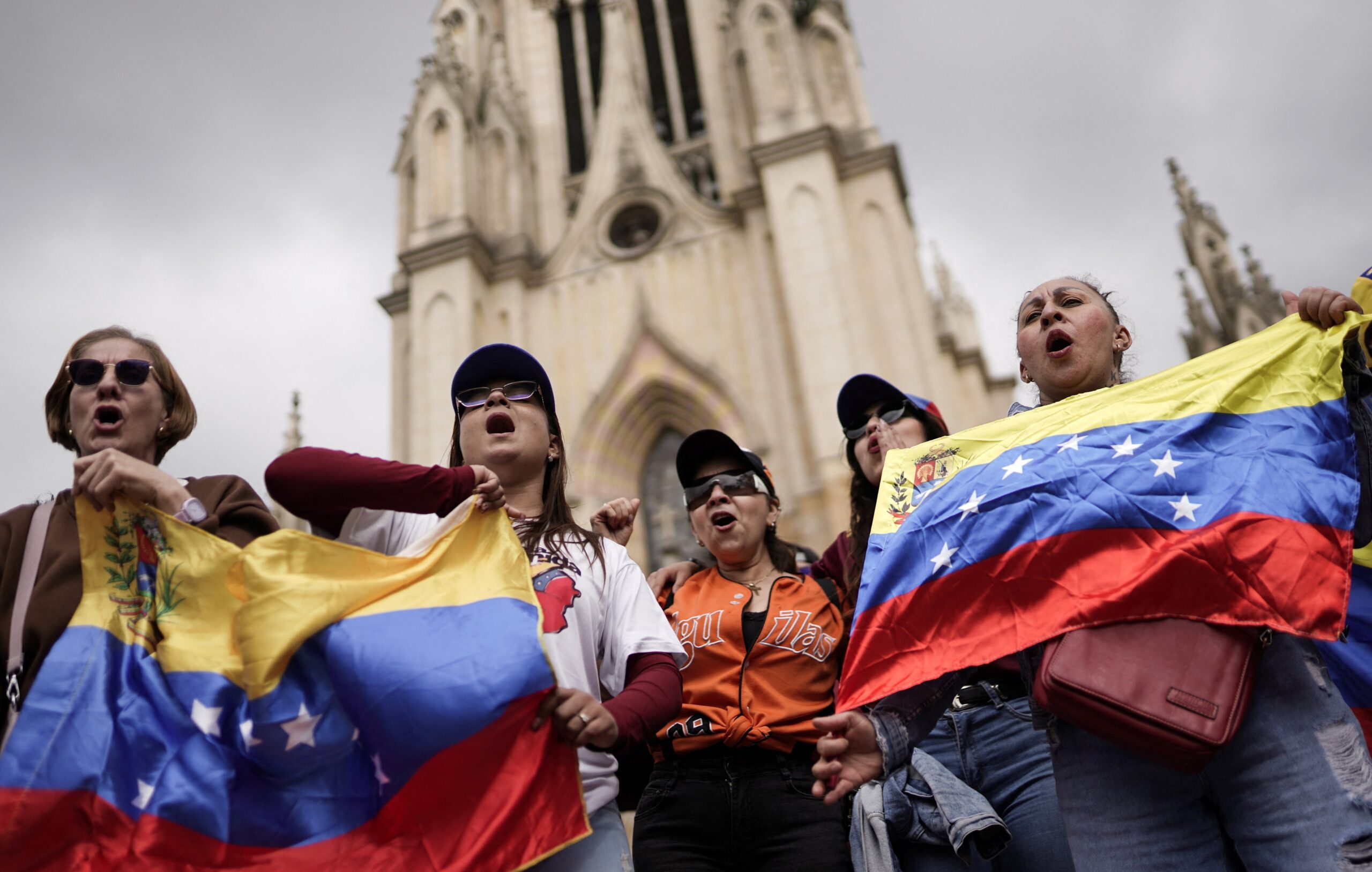
For now, Venezuelans in the country and the diaspora abroad are in a wait-and-see mode. For Sarfatti’s part, she has been communicating with friends on WhatsApp to learn if banks are open, if parents are sending their kids to school, and if they are moving forward with their normal life.
After experiencing 25 years of authoritarianism by United Socialist Party of Venezuela leaders Hugo Chavez and Maduro, Sarfatti said it will take some time to return to a “country that has a huge population of well-trained people and willing to work and sustain a democracy that we have lost so many years ago.”
“We need to have patience so we can recover in the right way.”
Asked if he wanted to return to his homeland once Venezuela is stabilized, Figuera said it’s not in his family’s plans.
“When you’re out, you start rebuilding your life,” said Figuera. “We are so grateful to Canada, and we love this country.” He has a son for whom Canada is “his whole life” and who is “very proud to say he’s Venezuelan Canadian.”
He also still cares about the land he left, and while he might return to visit, he’s not sure about moving back. “I do love Venezuela, of course. It’s my home country, and I hope the best for it.”
Canadian Catholic News
Your voice matters! Join the conversation by submitting a Letter to the Editor here.