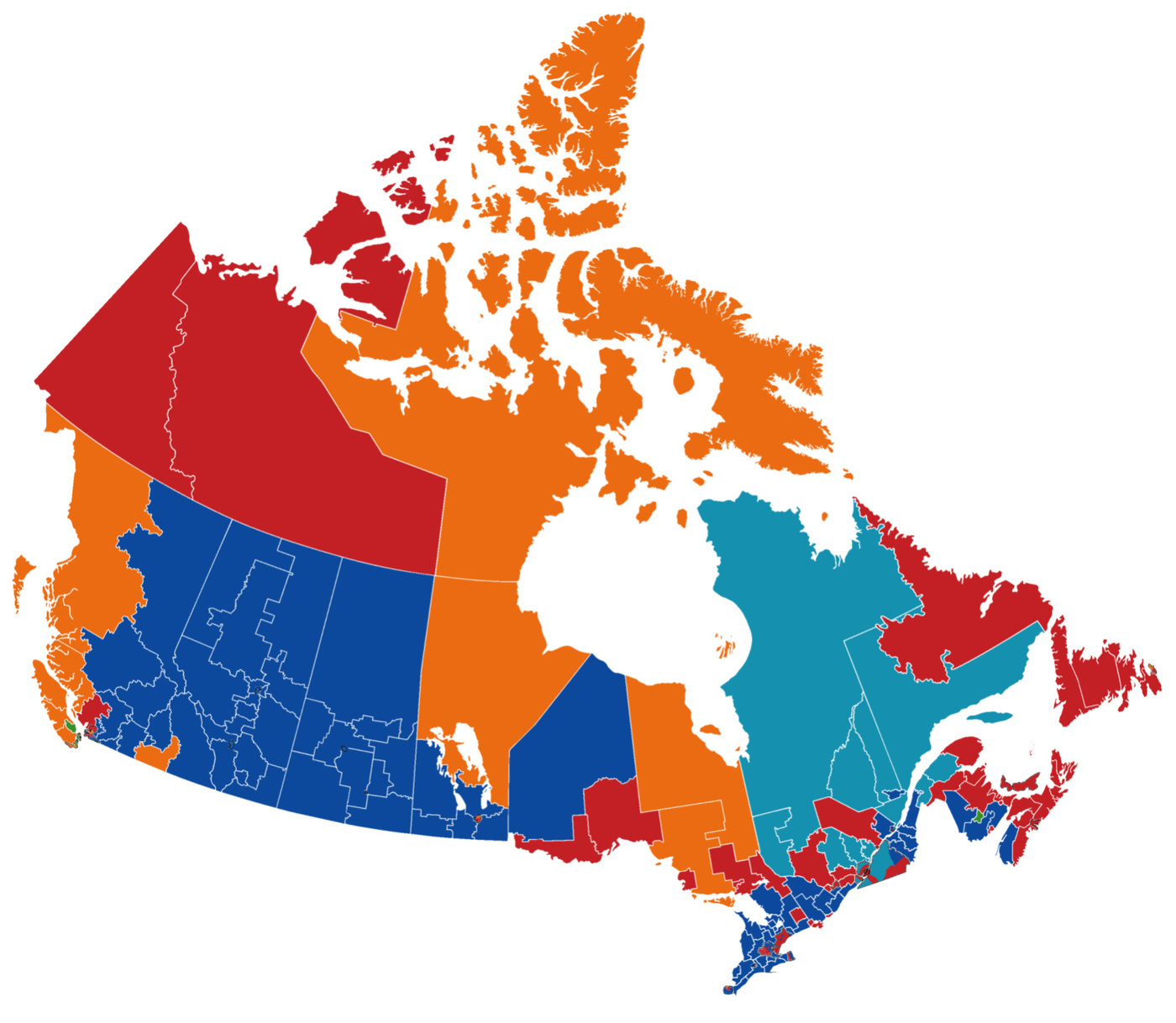

Although three in five Canadians felt having a federal election this fall was not important to them, the country is headed to its second general election in less than two years.
Prime Minister Justin Trudeau called the snap election Aug. 15, with the Liberals pinning their hopes of electoral victory Sept. 20 on their handling of the coronavirus pandemic. Opposition parties are calling the announcement an opportunistic bid for a majority government at a time when the country should be focusing on other priorities. The Liberals have led a minority government since the last election in October 2019.
Vancouver Archbishop J. Michael Miller Thursday urged Catholics to thoughtfully and prayerfully exercise their civic responsibilities by closely following the issues and voting on election day.
“Voting is a serious responsibility that allows us as Christians to bring our values to the ballot box with the intention of positively influencing Canadian society,” he said.
He noted that in past elections the number of practising Catholics who voted has been lower than the number of voters who don’t attend church.
Boosting Catholic election participation is one of the priorities of the non-partisan civic and political engagement group Catholic Conscience, which is ramping up a Catholic Action campaign to offer voter education resources and increase Catholic voter turnout.
The lay organization hopes to have a national all-parties forum and has already issued invitations for candidates to participate.
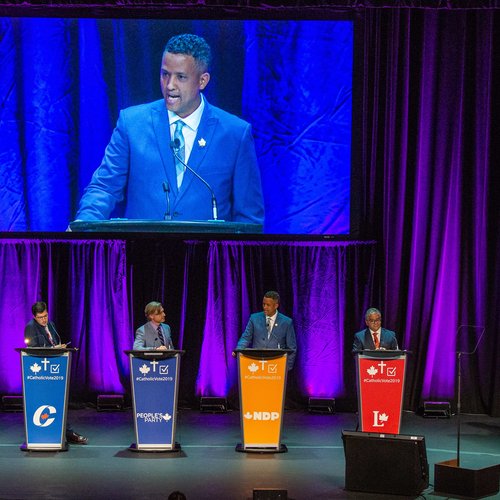
- Catholic Conscience hopes to have a national all-parties forum similar to one in Toronto in 2019. (Michael Swan/Catholic Register)
In the 2019 federal election, Catholic Conscience worked with the Archdiocese of Toronto on a federal election debate from a Catholic perspective, and in the 2020 Saskatchewan provincial election, it organized online interviews with representatives from each of the parties to ask them questions from a Catholic perspective.
The organization’s Catholic Action page for the federal election is live at catholicconscience.org/canada and will be updated to include resources from get-out-the-vote materials for parishes to information on Catholic social teaching, including a comparison of party platforms.
As with past elections, voters guides are also expected to be issued by Catholic leadership, including the Archdiocese of Vancouver and the Canadian Conference of Catholic Bishops.
An Angus Reid survey found concerns about climate change and Indigenous issues have risen this summer, while the country’s economic situation is also on many minds: 42 per cent of survey respondents said they were “more anxious than hopeful” about Canada’s economy and 16 per cent said they were “very anxious.”
For Catholics, issues of importance are expected to include Indigenous relations, COVID response, and expansion of assisted suicide.
With growing support for vaccination passports and coordination between federal and provincial governments, there is concern about the impact on many Canadians. A Conservative candidate who recently spoke out against vaccine passports was barred from running from the party because of his views.
B.C. health officer Bonnie Henry has said the province is “looking at all options” regarding passports and has said businesses can make vaccination a condition of employment. She’s also asking faith leaders to encourage “only immunized people” to attend services, although she hasn’t yet said the government has enforcement in mind.
“Those are decisions that faith leaders, communities, church groups, choirs, make for themselves; they don’t need an order from me to do that.”
The recent expansion of assisted suicide through Bill C-7 has left Canada without any “clear line in the sand” when it comes to euthanasia, says Alex Schadenberg of the Euthanasia Prevention Coalition.
He told The B.C. Catholic the recent case of a Quebec mother who wants her four-year-old son to die by euthanasia shows the need to vote for a party “that (minimally) will not continue to expand the killing.”
“Canada is now having an election. Clearly change is necessary.”
Pro-life organization Right Now is also gearing up to make the election an opportunity for conversation about abortion in Canada and said Election 2021 comes in the context of an ongoing conversation about abortion in Canada.
Earlier this year, Parliament debated the Sex Selective Abortion Act, the first abortion bill before Parliament in more than a decade.
Just weeks before the election was called, Prime Minister Trudeau went to New Brunswick to offer his support for a private abortion clinic seeking provincial government funding. Conservative leader Erin O’Toole also visited New Brunswick and said he would allow the province to decide how abortion is funded in the province.
“Even though Parliament does not have jurisdiction over health care spending, we saw the leaders of the parties taking the opportunity to comment on the situation in New Brunswick even before the election was called,” said Tabitha Ewert, legal counsel for We Need a Law.
“Politicians know that abortion is an election issue, and they are ready to engage.”
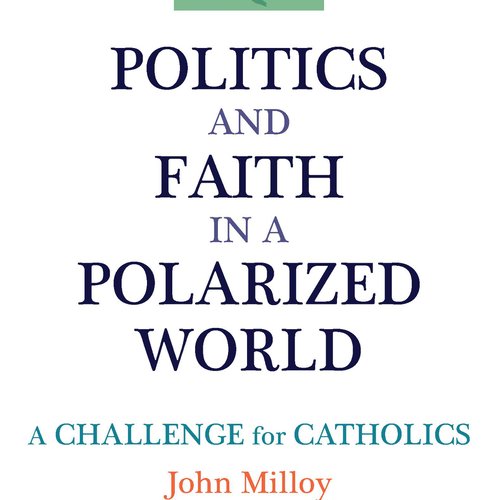
A Catholic Conscience adviser has just published a new book about Catholic engagement in federal politics. John Milloy, a former Ontario Liberal cabinet minister and adviser for Prime Minister Jean Chretien, has written an “in-the-trenches account of how to be a serious Catholic and work in a pluralistic, political arena.”
A Sept. 15 webinar with Milloy will take place to discuss the book, published by Novalis, and get his analysis of the election campaign. The Eventbrite link for the webinar is at catholicpolitics.eventbrite.ca.
Catholic Conscience is also hosting a Rosary novena for the people of Canada starting Wednesday, Aug. 25, asking for the intercession of Mary, Seat of Wisdom and Queen of Heaven, and Saint Joseph, Patron of Canada, to guide the hearts of Canadian voters in the federal election.
Catholic Conscience said it hopes to “put prayer at the centre of the campaign in a radical way” and serve to united Catholics across the political spectrum “at an otherwise very polarizing moment in public life.”
Novena schedule:
1. Wednesday, August 25 @ 8:00 PM EDT: Pray with us for the people of the North.
2. Sunday, August 29 @ 10 AM EDT: Pray with us for the people of British Columbia.
3. Wednesday, September 1 @ 8:00 PM EDT: Pray with us for the people of Alberta.
4. Saturday, September 4 @ 10 AM EDT: Pray with us for the people of Saskatchewan.
5. Wednesday, September 8 @ 8:00 PM EDT: Pray with us for the people of Manitoba.
6. Sunday, September 12 @ 10 AM EDT: Pray with us for the people of Ontario.
7. Wednesday, September 15 @ 8:00 PM EDT: Pray with us for the people of Quebec.
8. Saturday, September 18 @ 10 AM EDT: Pray with us for the people of New Brunswick, Nova Scotia, Prince Edward Island, and Newfoundland and Labrador.
9. Monday, September 20 @ 9:00 AM EDT (Election Day): Entrust the voters of Canada to Mary, Seat of Wisdom & Queen of Heaven, and St. Joseph, Patron of Canada.