
OTTAWA (CCN) — The federal government has been granted its request for a four-month extension to comply with a Quebec court ruling striking down as unconstitutional a key element of Canada’s assisted suicide regulations.
The ruling opens the question of what the federal government is going to do during the extension since it has already put forward its proposed changes to the medical assistance in dying (MAiD) regulations.
Quebec Superior Court Justice Christine Baudouin agreed to the extension request March 2, giving the federal government until July 11 to make changes eliminating the requirement that a person seeking assisted suicide be a person whose death is already “reasonably foreseeable.”
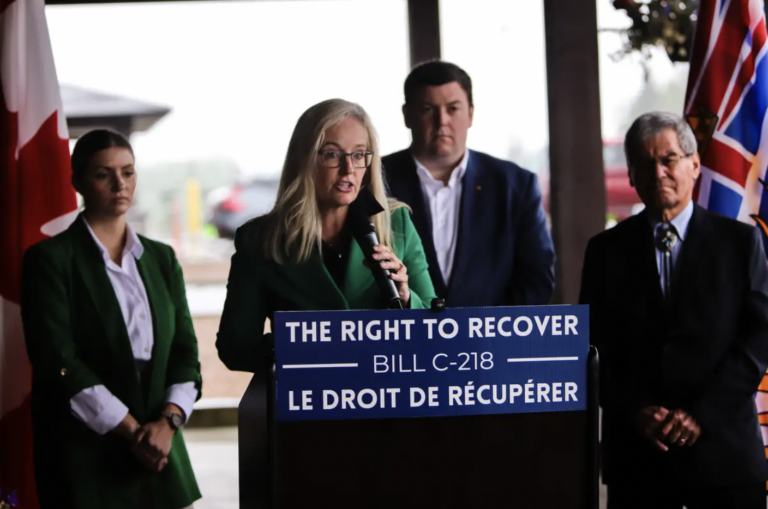
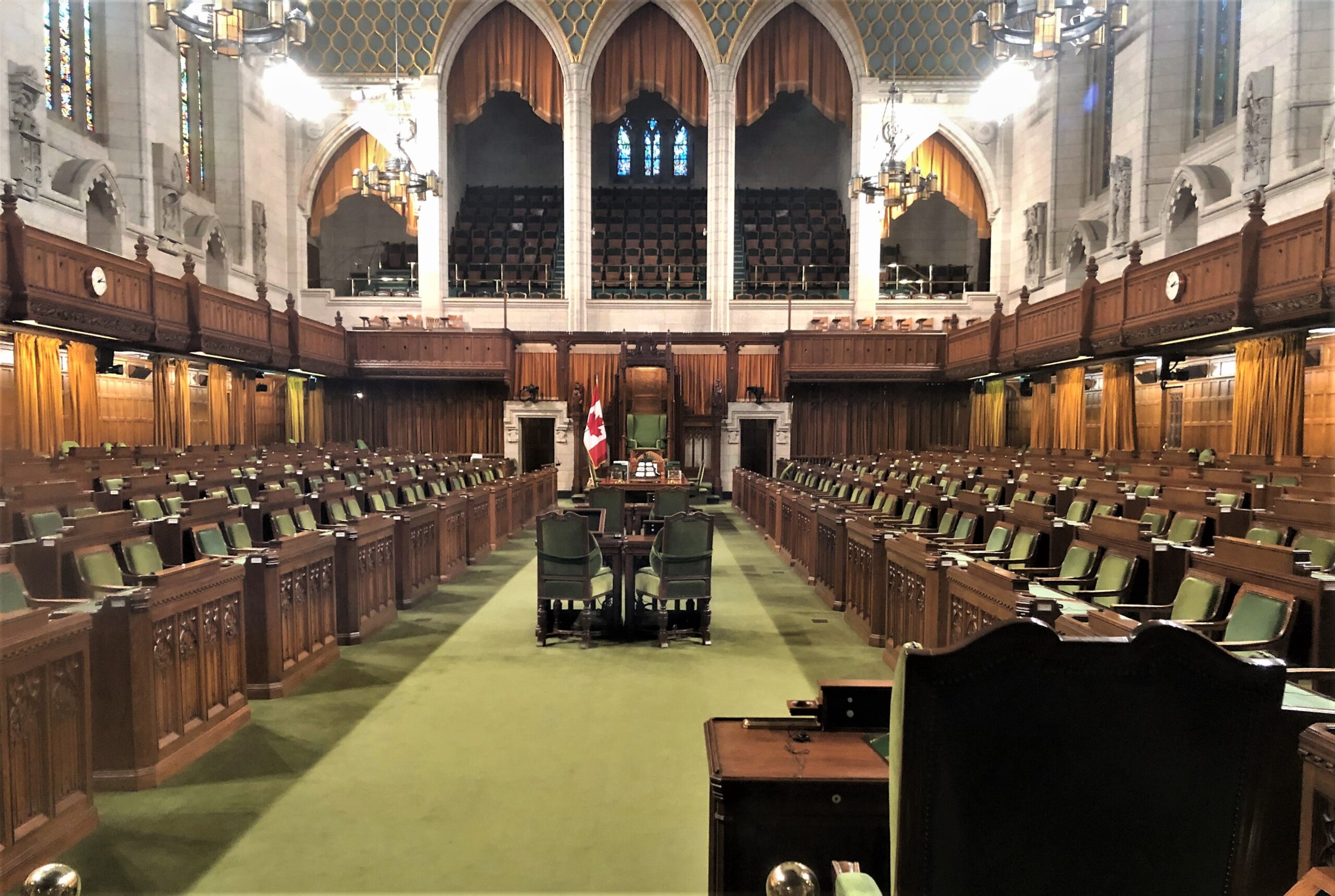
The government’s proposed Bill C-7, introduced in the House of Commons in February, sets up a two-tier system – one for when death is reasonably foreseeable and the other for when it isn’t.
It also would allow a waiver of final consent for those whose death is reasonably foreseeable but “who may lose capacity to consent before MAID can be provided,” although it specifically excludes “eligibility for individuals suffering solely from mental illness.”
However, the government concedes future changes to the MAiD system could include the mentally-ill when a mandated five-year review starts this summer.
“Other important questions relating to MAiD in Canada – such as advance requests for persons newly diagnosed with a condition that could affect their decision-making capacity in the future, eligibility for persons suffering solely from mental illness, and eligibility for mature minors – could be considered during a broader parliamentary review of MAiD legislation expected to begin by June 2020,” a statement from the Department of Justice said.
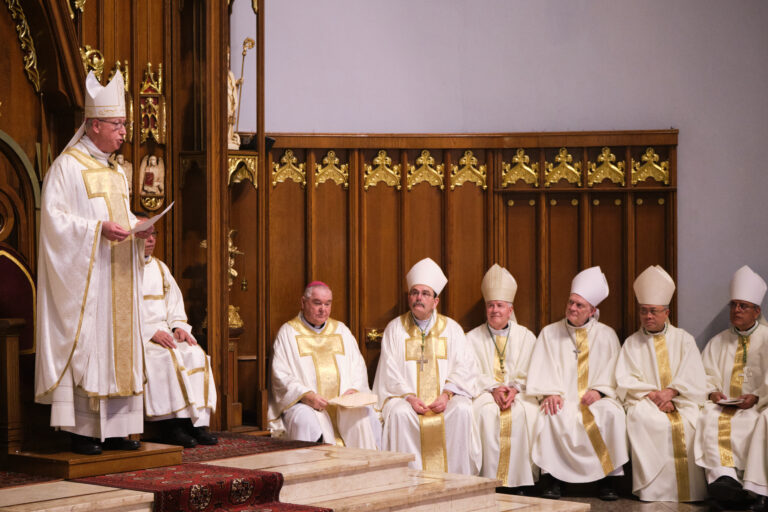
While the federal government has been given more time to make legislative changes, Canada’s Catholic bishops are urging the faithful to speak out, saying the government’s consultation efforts since last year’s Quebec decision were superficial and biased.
A Feb. 26 statement from the Canadian Conference of Catholic Bishops said, “In addition to voicing their strong opposition to the proposed legislation, the bishops call upon all Canadians who also oppose the new bill to make their voices heard. They likewise urge members of Parliament to acknowledge the giftedness of life as an inalienable right not to be taken away by others, the importance of compassion for the ill and the dying, as well as the responsibility to protect the most vulnerable.”
The bishops said it is “troubling” that Bill C-7 was introduced “on the basis of a highly questionable, biased, and rushed online survey” using questions “framed in a manner which presupposed agreement with euthanasia and assisted suicide, including its broadening, without giving Canadians who are opposed an equal voice.”
The bishops said the government should use the extended time by allowing the House of Commons to send Bill C-7 to committee for detailed examination by expert witnesses before Second Reading.