
Critics of the federal government’s efforts to ban conversion therapy say they don’t doubt the Trudeau Liberals and Bill C-6 supporters are trying to do the right thing.
But the ongoing debate shows strong doubt about how the courts will eventually interpret a ban on something nearly everyone in the debate claims they are against.
A small minority of mostly Conservative have been raising concerns about the wording of Bill C-6 – currently awaiting third reading in the Commons – and the possible criminalizing of conversations about sexual orientation between young people and parents or faith leaders.
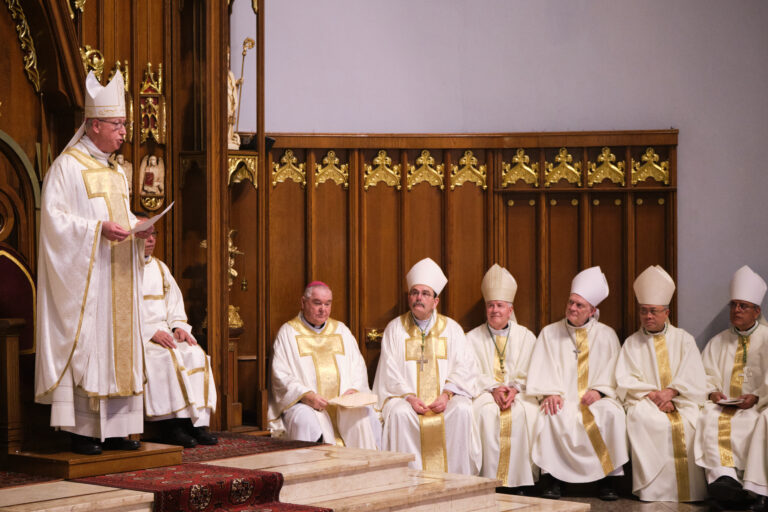
That concern is at the heart of the Catholic Church’s opposition to Bill C-6 even though it supports some of the legislation’s goals.
“Like many Canadians, (the Church) is opposed to all forms of coercive and manipulative activities because they do not respect the sacred dignity of the human person and the freedoms inherent with that dignity,” the Canadian Conference of Catholic Bishops said in its brief to the House of Commons regarding Bill C-6.
The bishops are concerned that the wording of Bill C-6 is too broad and that good faith efforts to address gender identity issues will be subject to the whims of the courts.
“It is generic in its scope and ambiguous in its language, and thus its application could be overextended and interpreted to include what are and should remain lawful activities,” the CCCB said.
“This is mainly because of its problematic definition of conversion therapy which reads: ‘a practice, treatment or service designed to change a person’s sexual orientation to heterosexual or gender identity to cisgender, or to repress or reduce non-heterosexual attraction or sexual behaviour.’”
The bishops say in the bill’s current form, “a range of activity and well-intended actions, hitherto legitimate and lawful, that are also beneficial goals in support of individuals, could become subject to prosecution under the Criminal Code, despite the apparent claims to the contrary on the website of the Department of Justice.”
The Liberal government rejects that concern, but critics maintain it’s valid considering how courts have continually expanded medically provided euthanasia/ assisted suicide.
Conservative MP Michael Cooper said the issue isn’t about banning conversion therapy, which he supports, but instead how the courts will interpret Bill C-6 once it becomes law.
“Conversion therapy should be banned,” said Conservative MP Michael (St. Albert—Edmonton), but “if we are to carve out any law in the Criminal Code to ban conversion therapy, it is absolutely imperative that we get the definition right.”
Although the government has repeatedly said the bill would not target “voluntary, good-faith conversations,” Cooper said what matters is how the bill is interpreted by the courts in the future.
“The government’s intention is a good one, and the intent of the bill is a good one, but it is important that we get the definition right,” Cooper said. “I am concerned that we have not achieved that in the bill before us.”
Minister of Diversity and Inclusion and Youth Bardish Chagger said, “Discussions and open-ended conversations that explore identity are not conversion therapy and they are not targeted in the bill.”
Chagger, along with the federal justice minister, is one of the federal government’s lead ministers in navigating Bill C-6 through the House of Commons.
“Children should be free to ask questions about who they are and to come to know themselves,” she said. “That is why health-care workers, parents, teachers, religious leaders must be able to continue supporting and affirming youth in these conversations and discussions.”
The challenge, she said, “is when conversion therapy is given without consent, when it is being imposed, when people are being forced to change who they are or exploring who they are.”