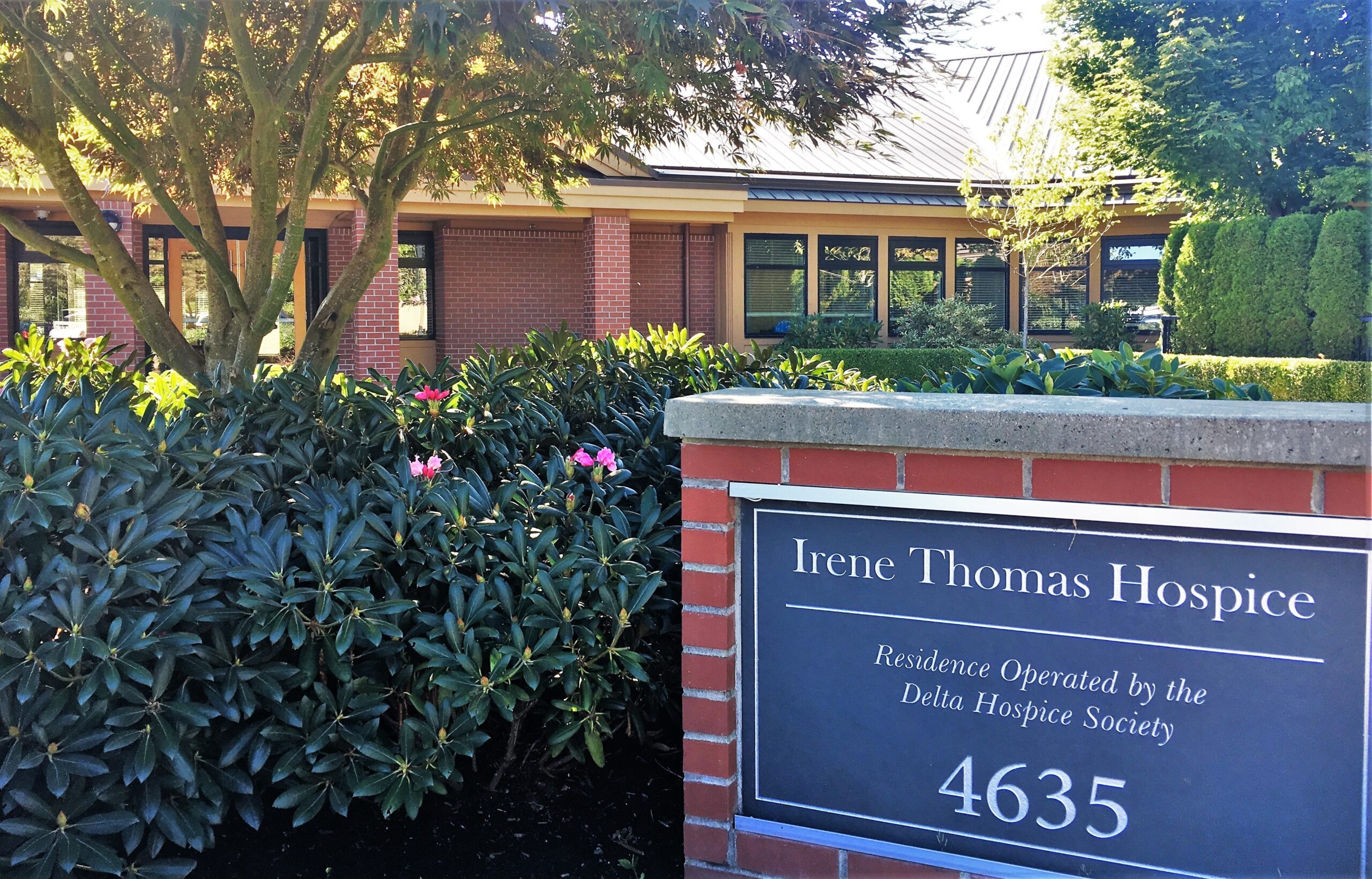

Delta Hospice Society has won a major victory in its fight to keep euthanasia out of the future palliative care facility it hopes to build.
In an April 2 vote, 76 per cent of society members voted to keep the current pro-life board of directors and to pass an amendment to the society’s constitution codifying its rejection of euthanasia and medical assistance in dying (MAiD).
“It’s a win for pro-life nation,” society president Angelina Ireland told The B.C. Catholic after the meeting.
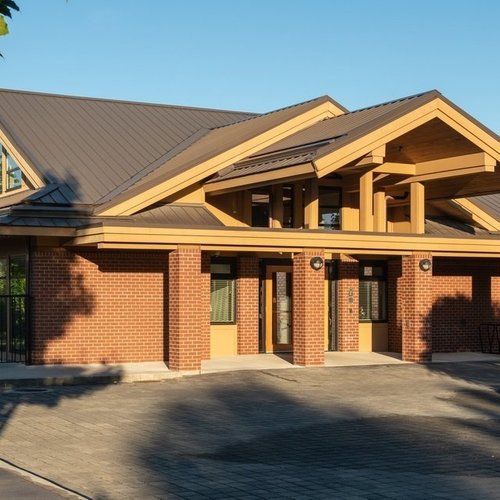
While the vote doesn’t reverse the damage done by Fraser Health’s takeover of the society’s Delta facility last year, it does present a positive vision for the future.
“Going forward with a clear vision for the organization is important,” Ireland said. “We heard the will of the membership: 75 per cent is an overwhelming majority” and effectively blocks the attempted takeover of the society by the pro-euthanasia Take Back Delta Hospice advocacy group.
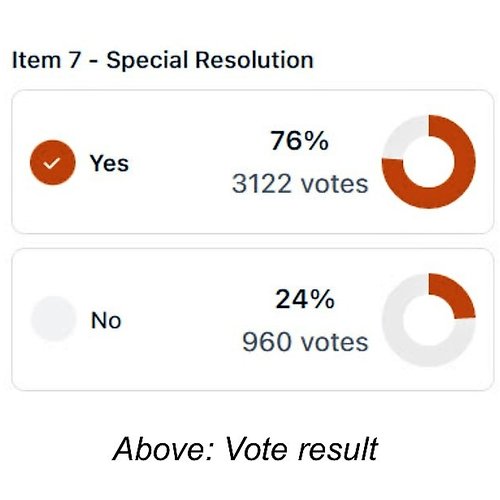
More than 3,100 hospice society members voted in favour of constitutional and bylaw amendments that included a commitment to “a traditional understanding of the principles of palliative care, which excludes Medical Aid in Dying (MAiD),” prohibits any “MAiD-related activities” by the society, and requires all new applicant and renewing members to “demonstrate a commitment to this traditional understanding of the principles of palliative care.”
Challenging the society’s pro-life philosophy was Take Back Delta Hospice, which describes itself as a local community-led initiative to protect the integrity of the Delta Hospice Society although its ties with national euthanasia organizations like Dying with Dignity indicate it is far from a grassroots movement. It also nationally recruited euthanasia supporters in its bid to take control of the board.
Even before the general meeting, Take Back Delta Hospice leadership had already formed a separate hospice society called the Heron Hospice Society. As such, Ireland believes the group was never interested in the health and wellbeing of the society, but was merely attempting an asset grab.
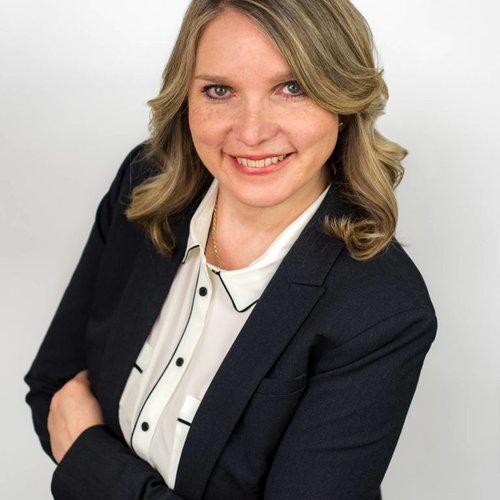
“This was personal,” said Ireland. “In some ways they had already won” when Fraser Health took control of the Irene Thomas Hospice, the society’s facility in Delta. She said if the Heron Hospice Society wants to build a hospice, “they need to do their own work.”
Ireland said the electoral victory is an example of what pro-life Canadians can accomplish when they come together and she hopes it gives courage to Canada’s pro-life movement.
“We are mighty – when we come together we are a force. We are more influential than people give us credit for,” she said.
“Palliative care is about ordinary people,” she said. “For all of their [pro-euthanasia] rhetoric – ‘you have lived a good life, these are useless eaters, it’s about health care’ – this isn’t the perspective of the people … people want palliative care. MAiD is government-focused.”
In an observation that seems particularly acute in an age where COVID has unveiled core problems with health-care staffing and funding, Ireland pushes the issue further. “[The government] is bankrupt, they have found that it is easier to kill someone than pay. Because an acute [palliative] care bed is very expensive, there are immense savings to be made with MAiD,” she said.
While the current state of affairs might seem to paint a grim picture for the future, there is hope in the hospice society’s immediate plan to find land for a new facility.
“We heard what the membership wants,” said Ireland. “We have a mandate to move forward … We have already built a hospice; we have done all the work, so we can build another one.”
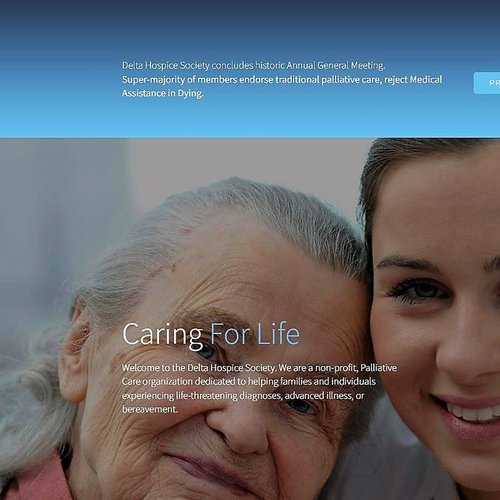
While the current state of affairs might seem to paint a grim picture for the future of the Delta Hospice Society, there is hope in its immediate plan to find land for a new facility.
The last two years have also taught the hospice some hard lessons, and Ireland wants people to be aware of the potential risks.
“We would never get into any kind of agreement with the government ever again,” she said.
“On private land it will be interesting to see if the government will try to impose [its will] on private citizens,” she said.
And that is the core of the problem, say hospice supporters/or pro-life advocates. Even though proponents of euthanasia say they simply want to give people choice, when push comes to shove the seizure of the Delta facility shows that the government gun will be used to intervene when possible.
When Fraser Health took control of the hospice, Health Minister Adrian Dix made it clear that euthanasia wouldn’t be forced on anyone and that the seizure was simply about ensuring euthanasia access for vulnerable people. Yet the government perceived the Delta Hospice Society as an obstacle rather than as an organization with a legitimate set of views on palliative care.
Ireland believes that if this clear example of government overreach doesn’t wake people up, the future will present an escalating set of challenges for pro-life people. Today it’s seizing a facility on loaned government land, but tomorrow the government could be pushing its agenda into the private sphere, including individuals’ homes.
“At what point in Canada do people finally say ‘enough?’” asks Ireland; “eventually the government might come into your house and tell you as a private citizen to perform MAiD.”
Still, the results of the meeting offer hopeful respite for now. In a world where pro-life people often feel perpetually on the defensive, Ireland and many society members are enjoying a win, and looking forward to building something beautiful and new.