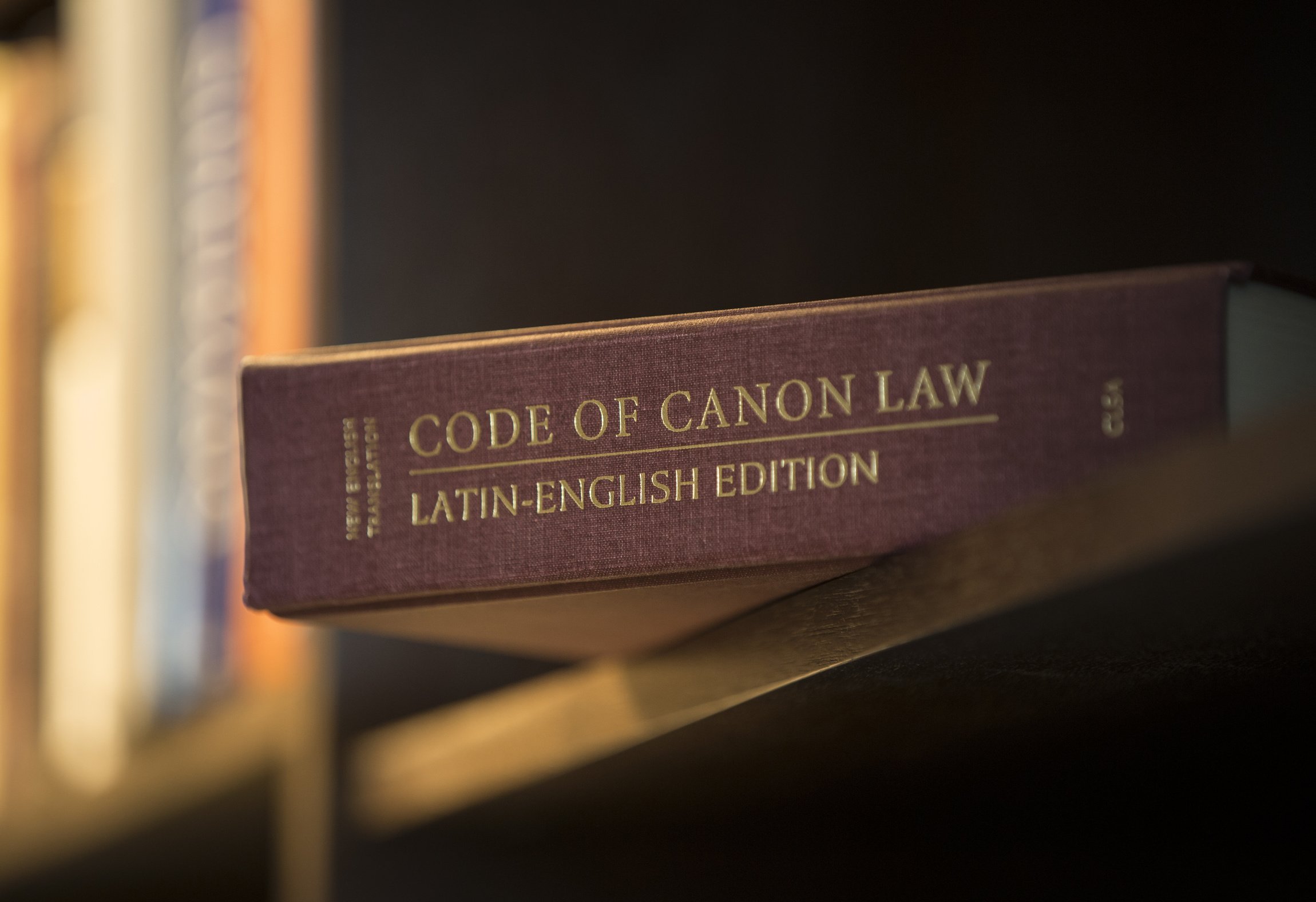

Canon law experts in the Archdiocese of Vancouver are welcoming changes to Church legislation that respond with a more victim-centred approach to sexual abuse of children by members of the Church.
The revisions to Book VI of the Code of Canon Law take effect Dec. 8, the Feast of the Immaculate Conception, and were announced May 31 through Pope Francis’ apostolic constitution Pascite gregem Dei (“Tend the Flock of God”). The changes were first commissioned by Pope Benedict XVI to improve the effectiveness of the code’s penalties for sexual abuse.
The new law says crimes of sexual abuse against minors and vulnerable persons are “offences against human life, dignity, and liberty” rather than breaches of priestly celibacy, as the previous legislation stated.
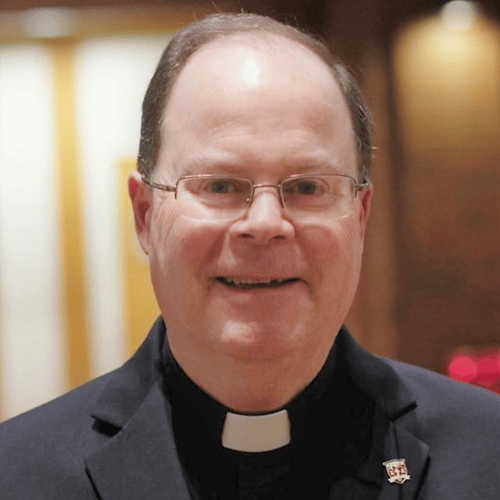
The revisions, which also provide for canonical penalties for abuse committed by consecrated religious and lay persons in Church leadership positions, are “a major improvement,” said canon lawyer Msgr. Gregory Smith.
Canonists from across Canada and around the world agree “the changes to the law are welcome and will help the Church respond more effectively” to abuse in the Church, said Msgr. Smith.
“The innovations reflect not only recent experience with abuse cases but also the new roles of the laity in Church leadership and administration.”
Dr. Lynda Robitaille, Dean of Theology at St. Mark’s College and the new president of the Canon Law Society of America, said establishing that sexual abuse crimes are not only committed by priests and against minors is “an important focus” of the new law.

The revised law provides canonical sanctions for abuse crimes not only with a minor but also “with a person who habitually has an imperfect use of reason or with one to whom the law recognizes equal protection.”
The revised law provides penalties not only for clergy who commit sexual abuse but also “a member of an institute of consecrated life or of a society of apostolic life, or any one of the faithful who enjoys a dignity or performs an office or function in the Church.”
In a recent presentation to U.S. bishops, Archbishop Charles Scicluna, who also serves as Adjunct Secretary for the Congregation for the Doctrine of the Faith, indicated local diocesan bishops will be responsible for treating allegations of clerical sexual misconduct with a vulnerable adult as a canonical crime and prosecuting them as strictly as sexual abuse of minors.
Offences could include coercive sexual harassment of seminarians by priests or formators as well as sexual contact between a priest and someone employed by them or under their pastoral care. “Such cases of clerical sexual misconduct with adults have previously been treated as moral failure, but not canonical crimes,” Robitaille said.
The Canon Law Society of America expressed gratitude for the revisions, saying the changes were needed.
“This reinvigoration of canon law is a welcome necessity to our member canonists’ work on behalf of the Church and will be, as the Holy Father says, an instrument for the good of souls,” said Msgr. C. Michael Padazinski, former president of the canon law society.
The revised Book VI was announced on Monday, May 31, through Pope Francis’ apostolic constitution Pascite gregem Dei (“Tend the Flock of God”). The revisions were first commissioned by Pope Benedict XVI to improve the efficacy of the code’s penal sanctions.
Father Joseph Le, the Judicial Vicar for the Archdiocese, Father Mark Gazin of the Marriage Tribunal, Deacon Bruce Fraser of the Archdiocesan Review Board, and Msgr. Smith have been taking part in webinars on the revised penal law presented by St. Paul University’s canon law faculty.
With Catholic News Agency files.