
Pope Francis wants Catholics to rediscover the beauty and truth of the Mass, and he seems to have an ally in a Vancouver choir known for its polyphonic melodies.
It’s not often that we get the opportunity to become reacquainted with the Mass. Time, repetition, and the weight of daily life can all contribute to a sense of disconnection from the liturgy. This is something that the choir Belle Voci helps to overcome with their polyphonic melodies. Their music invigorates the Mass with a traditional vigour that blows away the dust and makes it feel new.
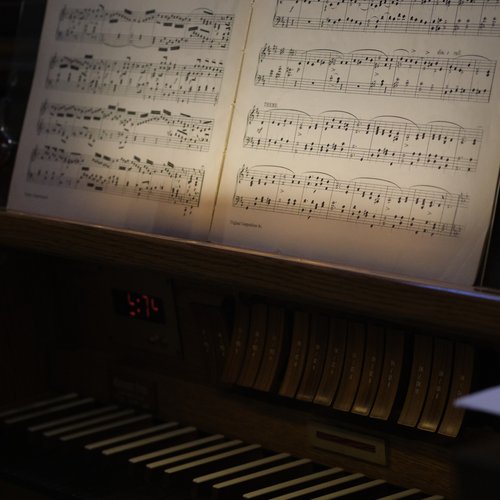
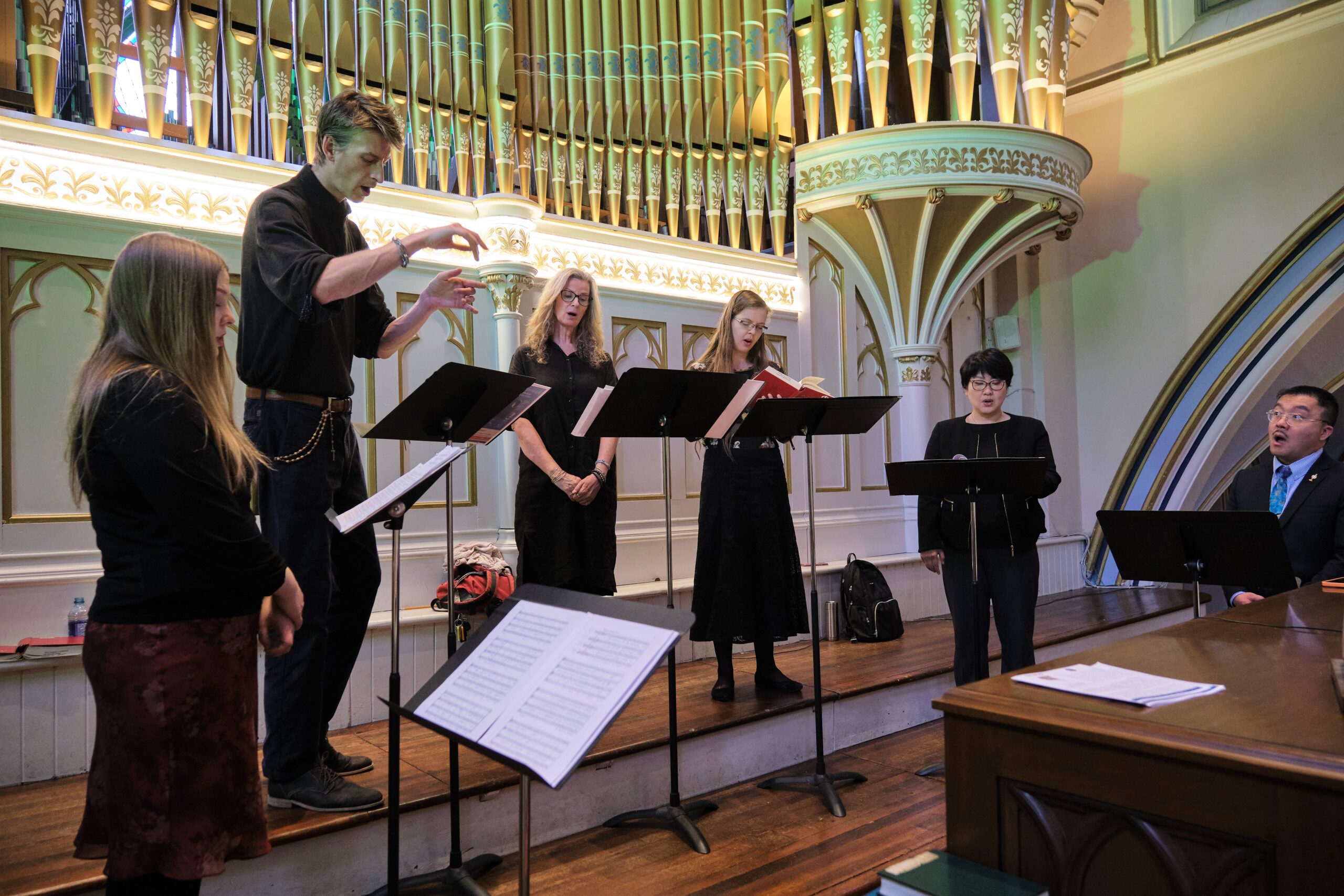
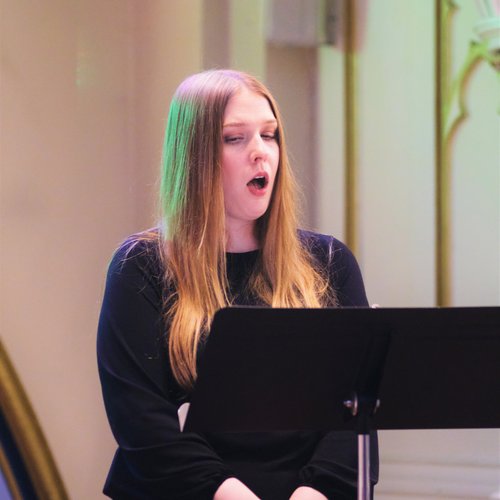
Belle Voci was founded by Paula DeWit 12 years ago to show people the beauty of polyphonic music. Today they are still going strong, providing the music for the 4 p.m. Latin Mass at Holy Rosary Cathedral, as well as performing concerts and other events.
DeWit, who also lends her talents to numerous choirs and orchestras including conducting the Chilliwack Symphony Orchestra & Chorus, first discovered polyphony while studying conducting at university. She says the experience opened her eyes to a world of classical music that she feels few people are familiar with.
“It’s incomparable, it stands out. It’s old and time tested,” she told The B.C. Catholic.
Early on, DeWit would add a few polyphonic pieces of music to programs for the Chilliwack Symphony Orchestra, but the small group quickly outgrew its supporting role. Non-religious audiences struggled to appreciate the polyphony and so Belle Voci was founded.
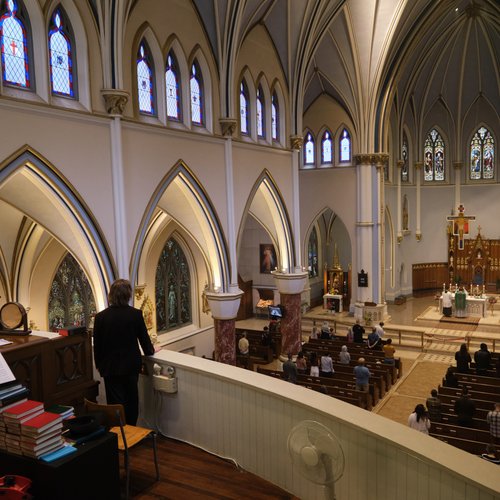
The Belle Voci musicians give various reasons for their love of polyphony, but DeWit offers a succinct summary: it’s prayerful, beautiful, and “it humbles you,” she said.
While the group does not limit itself exclusively to traditional polyphony – they sing arrangements by Mozart and Bach for example – polyphony always holds a special place in their program.
Polyphony entered the stage relatively early in the history of western composition. The term ‘polyphony’ can be used to describe western music from the Late Middle Ages and Renaissance, with famous polyphonic composers such as William Byrd and Giovanni Pierluigi da Palestrina.
Like a lot of older, more traditional music, it can feel intimidating. It resists attempts at easy listening and forces the listener to put aside any modern preconceptions of what music is for – like emotional affectation, for example – and focus on the deeper spiritual and intellectual riches it offers.
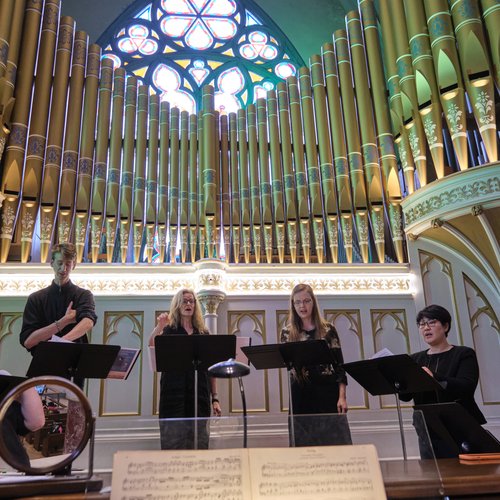
Bella Voci vocalist and president of the Chilliwack Symphony Orchestra & Chorus Bevin van Liempt told The B.C. Catholic that polyphony is deeply rooted in medieval attitudes toward intellectual pursuits and aesthetics. Its sense of reality owes a great deal to the philosophies of the scholastics and St. Thomas Aquinas.
Technically speaking, a polyphonic piece of music has two simultaneous lines of independent melody which is what gives the music its conversational quality. When performed with skill and sensitivity, the melodies should intertwine and dance without smothering one another.
Van Liempt feels the greatest polyphonic compositions had a purity of intention that can’t be found in what he describes as the more egotistic compositions of later classical periods.
“Polyphony is a discussion between men of reason, each knowing where to speak and where to be silent,” van Liempt said, and in the true medieval form “it operates under rules that were discovered more than invented.”
Perhaps because of this, polyphony is very comfortable with, if not inseparable from, Catholicism, and van Liempt says that many polyphonic composers intend to “draw their audience upwards” towards the divine.
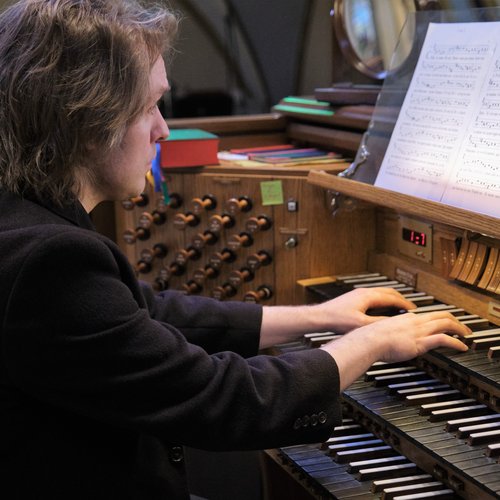
It shares this in common with its central instrument, the organ, which features prominently in some of Belle Voci’s performances, but especially in the Tridentine liturgy where some members sing every Sunday at Holy Rosary Cathedral.
The organ is both the anchor and the driving force behind liturgical music, Belle Voci’s organist Michael Molnar told The B.C. Catholic, and when used appropriately, it “layers warmth and power into the liturgy.”
Being so rooted in traditional Catholic modes of being – especially the liturgy – polyphony is considered by some to be less accessible than other forms of classical music, but van Liempt says that’s fine. For him, polyphony is like the sacraments: “you get out of it what you put in,” he said.