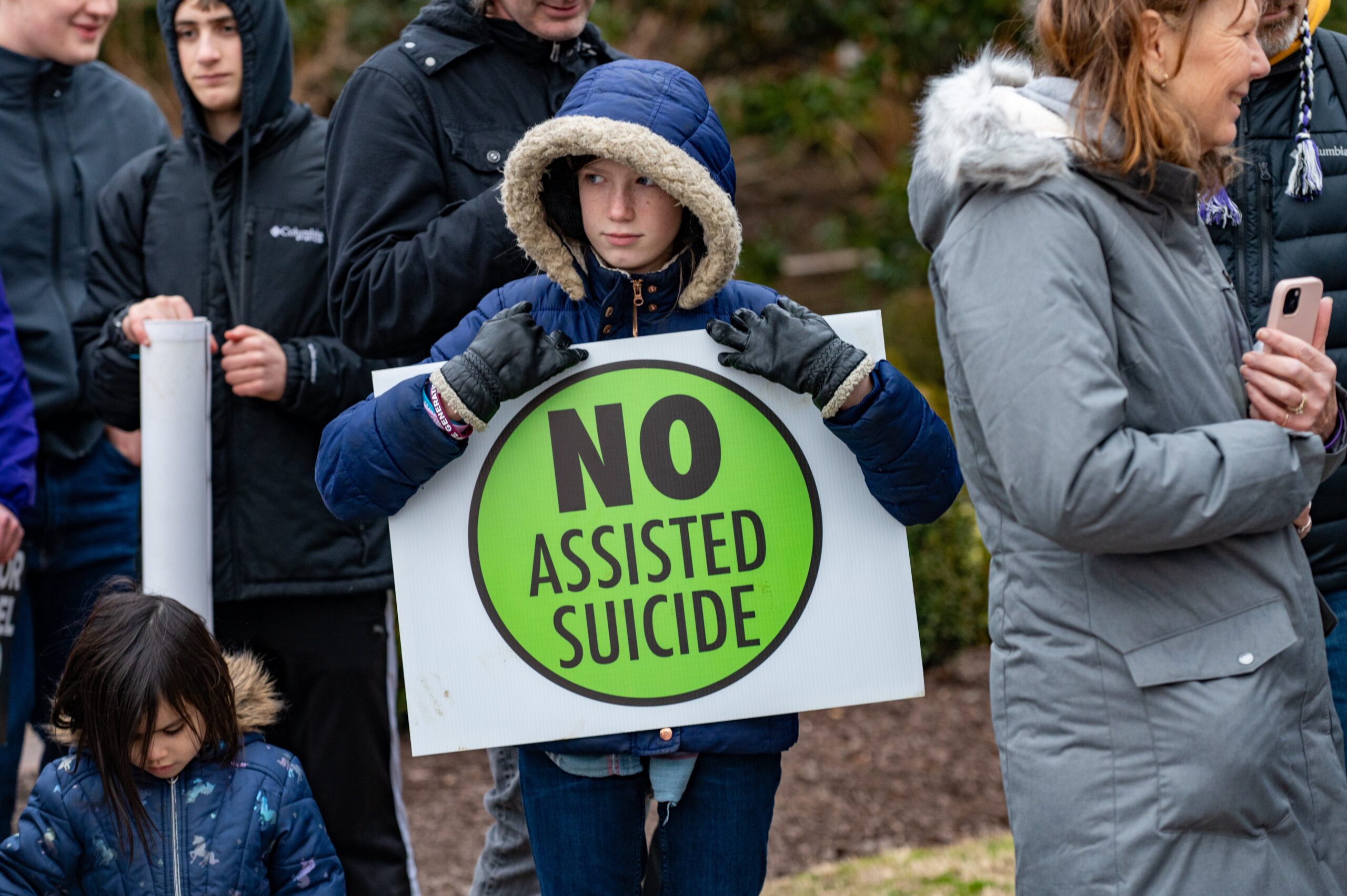

B.C. pro-life leaders are crying foul over what they charge is a rigged Health Canada consultation on medical assistance in dying (MAiD), saying it’s aimed at suppressing opposition to the legalization of advance requests as Quebec is doing.
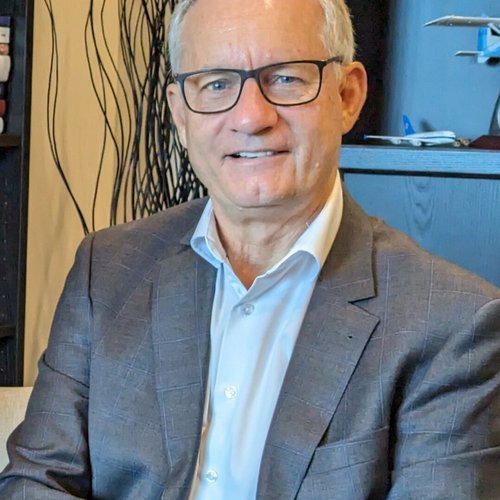
Abbotsford MP Ed Fast said in a statement to The B.C. Catholic that he fears the consultations will advance “confusion and abuse of Canada’s MAiD regime.”
Dr. Will Johnston, a Vancouver family doctor who leads the Euthanasia Resistance Coalition of B.C., echoed Fast’s concerns, calling the consultation process “a sham” designed to deliver pre-determined support for further liberalizing Canada’s euthanasia law.
“I think the Trudeau government are true believers in many radical ideas, and radical when it comes to suicide is one of them,” Dr. Johnston said. “And I would just call it ‘radical autonomy’ when it comes to suicide.”
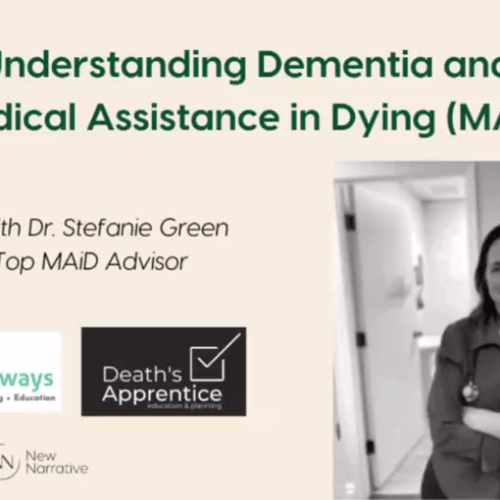
The issue coincides with Quebec’s enactment of a law that overrides the federal ban on advance requests. Dr. Stephanie Green, a leading euthanasia practitioner from Victoria, said during an online MAiD seminar in November 2024 that Quebec’s move will create “a certain amount of pressure” on the federal government to legalize advance requests nationwide.
The Canadian Conference of Catholic Bishops has consistently condemned all aspects of Canada’s legalization of MAiD. “Euthanasia and assisted suicide (MAiD) have always been, and will always be, morally unacceptable because they are affronts to human dignity and violations of natural and divine law,” the conference said in a Nov. 2023 statement.
Johnston and Fast’s concerns centre on Health Canada’s late-November launch of what it calls a “national conversation on advance requests.”
Under current law, persons cannot make a legally binding request to be euthanized at a future date. Typically, the issue arises when a person is diagnosed with a progressively debilitating disease, such as dementia.
When first diagnosed, the patient may have the legal capacity to request MAiD but does not want to be euthanized until sometime in the future when their condition worsens — at which time the patient’s deteriorated mental capacity would render them incapable of meeting the legal requirements to access MAiD.
Pro-euthanasia activists have lobbied for years to legalize advance requests. In Feb. 2023, they successfully persuaded Parliament’s Special Joint Committee on MAiD to recommend amending the Criminal Code to allow advance requests. The federal government responded by stating the issue required further study and consultation.
Health Canada says on its website that the consultation process launched in November will include an online questionnaire open to the public and “virtual regionally focused roundtables” comprising “a broad range of representatives.” These engagement activities are scheduled to run until late January 2025 but as of Dec. 3 the questionnaire was not on the website.
The selection process for roundtable participants also remains unclear. In an emailed response to questions from The B.C. Catholic, Health Canada spokesperson Tammy Jarbeau said only that the roundtables comprise “provincial and territorial officials, persons with lived experience and a mix of stakeholder organizations.”
A truly representative selection of “stakeholder” groups should have included the Euthanasia Prevention Coalition, says the Ontario-based organization’s executive director, Alex Schadenberg. He said in an interview that Health Canada did not invite him to join any roundtable but merely allowed him to make a presentation.
Schadenberg believes Health Canada has “stacked the deck” to ensure a pro-advance-requests outcome. “Just like they’ve stacked the deck in every other consultation over the past several years,” he said.
Fast accused the government of intending to “inform” rather than consult, comparing this process to its earlier attempt to expand MAiD to include the mentally ill. “The Trudeau government was likely very surprised when the [parliamentary] committee recommended that Canada was NOT ready for this expansion,” Fast said.
Fast also called the advance-requests consultation process “obtuse and opaque,” warning that the public “should expect that the next target will be ‘mature minors,’ presumably without the consent of parents.”
Johnston said he believes the Trudeau government is aware its time in power may be ending and is rushing to implement as many policy changes as possible.
They are scrambling to put advance requests and MAiD for psychiatric patients into place, knowing it will be very hard to reverse,” he said. “But I think they’ve finally made a gamble they may lose.”
Schadenberg says public awareness of MAiD’s dangers is growing. He cites the results of an investigation by reporter Alexander Raikin, published last month by The New Atlantis, that found the province of Ontario had recorded at least 428 “non-compliant euthanasia deaths” and 25 per cent of providers violating the law.
Schadenberg is launching a petition calling for a nationwide investigation “into what’s actually happening with MAiD in Canada … the abuses, the illegalities, everything.”
Despite MAiD’s regulation and legalization being a federal matter under the Criminal Code, Quebec began allowing advance requests last month. The provincial government has instructed public prosecutors not to charge doctors performing euthanasia on patients who authorized their deaths via advance requests. The federal government has not launched a court challenge against Quebec.
Regardless of whether advance requests are legalized, Dr. Green has devised a strategy for dementia patients who want MAiD despite their potential loss of legal capacity. She calls it her “10 minutes to midnight” approach.

Dr. Green explained at a Nov. 21 seminar that she meets with patients early in their dementia diagnosis and monitors their condition. When she believes the patient is close to losing legal capacity but still capable of consent, she reminds them of their earlier request and, with their approval, initiates the MAiD process.
Johnston declined to comment directly on Dr. Green’s strategy but said, “Anyone who claims to know when a person is on the verge of a precipitous decline is being grandiose about their medical abilities.”
MAiD expansion shows ‘contempt for God’: pro-life chaplain
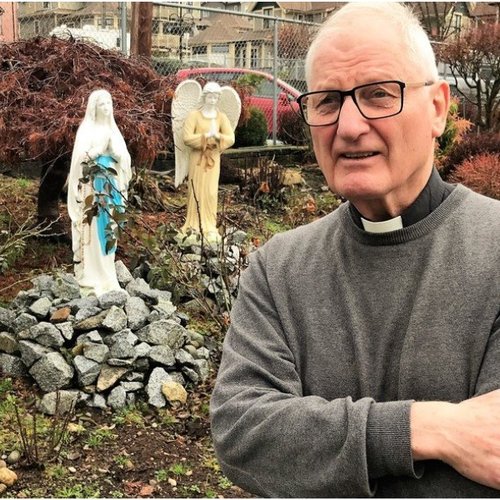
Father Larry Lynn, the Archdiocese’s pro-life chaplain, said in an email interview that MAiD-expansion proponents are revealing their “contempt for God.”
Father Lynn, pastor of Our Lady of Lourdes Parish in Coquitlam, said St. Augustine identified “a deep divide in our world” in The City of God, in which he explains that “two exclusive objects of love form two exclusive kinds of cities formed by two loves.”
These are “the earthly, by the love of self, even to the contempt of God [and] the heavenly, by the love of God, even to the contempt of self.”
“That dichotomy is forever with us,” Father Lynn said. “Catholics are citizens of the city of God, and that is where our allegiance lies.” This means Catholics may not merge or submerge their faith to laws that are clearly against Catholic teaching.
“The Church is against advance requests for euthanasia because it’s against the taking of innocent human life in any form,” he said. “The particulars of ‘advance requests’ are just that much more egregious.”
Father Lynn said he believes “city of contempt for God” best describes why the Quebec government will do “whatever it does to promote a society destined for ruin.”
In fact, “all of these things—the federal government’s under-the-radar consultations and Dr. Green’s approach for killing people—are clear evidence of a contempt for God,” he said.
“I’m sure they don’t see themselves this way, but the proponents of these ideas about culling the human race are misguided, self-aggrandizing peddlers of fear … It is our job as Catholics to resist, as is written in Ephesians, ‘the principalities and the present darkness in this world.’”
Your voice matters! Join the conversation by submitting a Letter to the Editor here.