
It’s hard to say who’s the more fascinating half of the Mardon marriage.
In spite of their struggles with mental health and disability, Austin Mardon and his wife, Catherine, have a remarkable life, which is expressed most completely in the witness of their marriage.
“Two half-wounded people make a better whole,” Austin Mardon told The B.C. Catholic, which recently interviewed the couple.
The Mardons have dedicated their lives and their marriage to mental health advocacy and education. Some of their commitment has taken the form of writing, published in local Alberta publications, as well as The B.C. Catholic.
Catherine Mardon is a lawyer and social justice advocate who was stabbed 17 times and left for dead in 1991 after testifying in court against a white supremacist group in the U.S. Midwest. She sustained a traumatic brain injury in the attack, but also left her assailant with broken teeth.
She was one of the first lawyer in Oklahoma City to take on AIDS patients as clients, at a time when many firms wouldn’t. Over the decades, her advocacy has spanned issues from disability rights to access to justice, earning her recognition across North America, including the King Charles III Coronation Medal, the Queen Elizabeth II Diamond and Platinum Jubilee Medals, and, most recently, the Institute of International Peace Leaders, which honoured her with its Peace Award in March.
Her husband, Dr. Austin Mardon, is a celebrated scientist and mental health advocate. Diagnosed with schizophrenia in early adulthood, he defied expectations by becoming a public figure and tireless advocate for those living with mental illness.
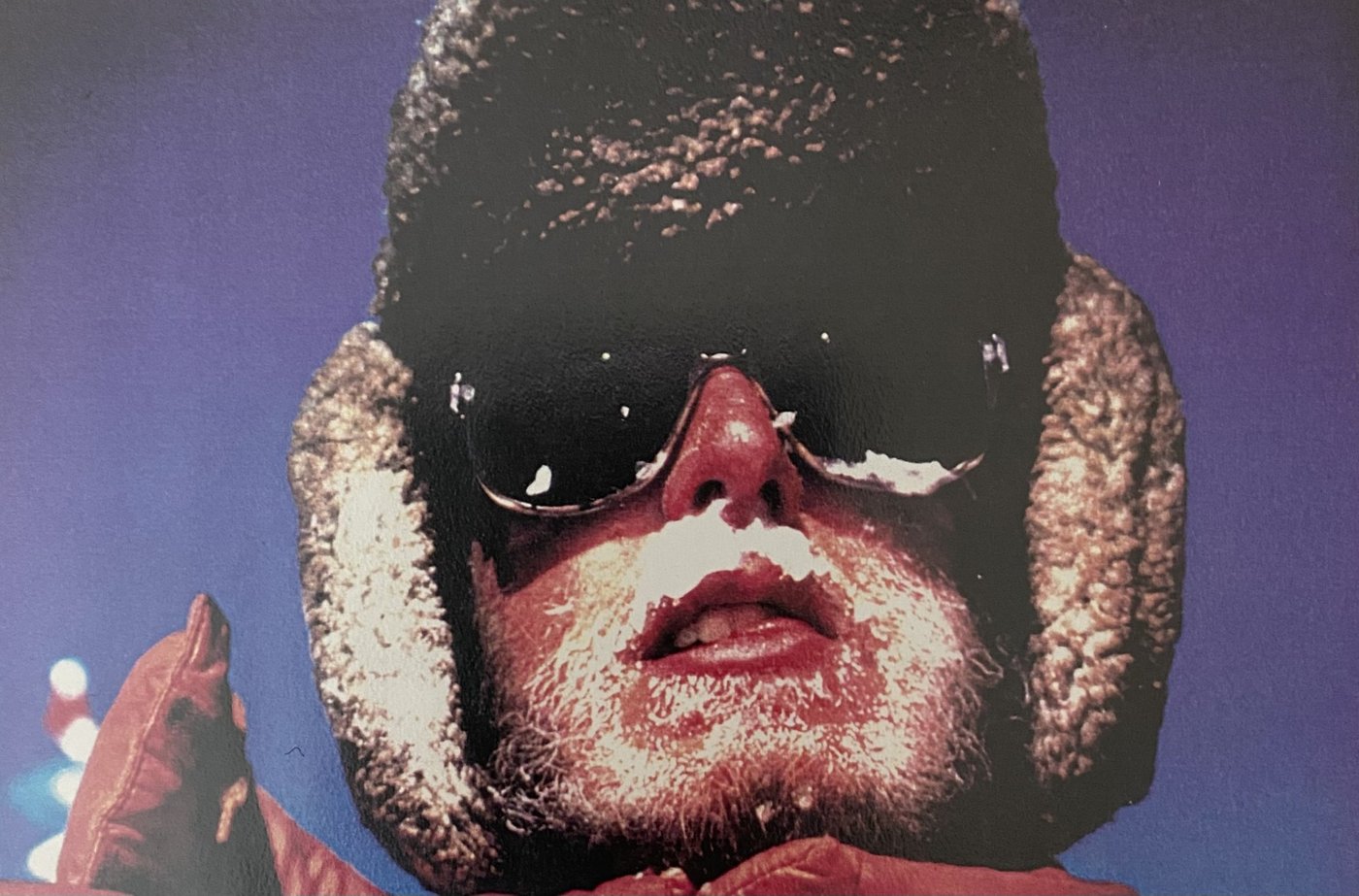
While in his twenties, he suffered severe frostbite on a NASA-funded research expedition to Antarctica in 1986–87, where he became the first Canadian to discover a moon-origin meteorite.
He is the founder of the Antarctic Institute of Canada, an organization dedicated to encouraging Canadian Antarctic research, and he holds numerous academic degrees and serves on several university and international science boards.
In spring 2024, he was awarded an honorary doctor of laws degree from the University of British Columbia for his work on polar research, exploration, and environmental preservation, which included contributions to the academic and professional development of students at UBC.

He is also a Member of the Order of Canada and a recipient of the Queen Elizabeth II Diamond Jubilee Medal and the King Charles III Coronation Medal.
Despite their individual achievements, it’s their marriage that might be the most remarkable thing about them. The accomplishments of both Catherine and Austin are remarkable—and often shared.
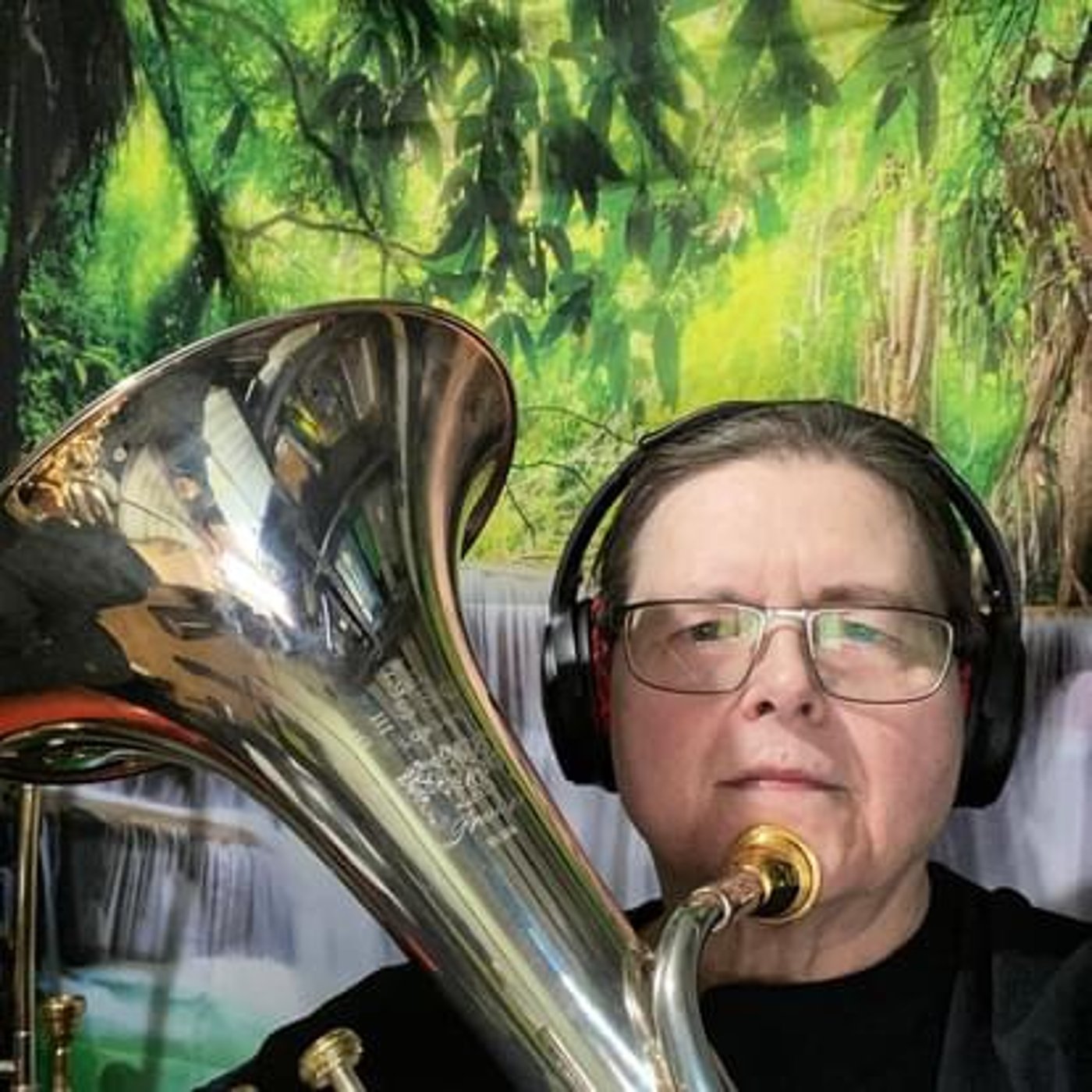
Together, they have opened their home to over a dozen children with Fetal Alcohol Syndrome (FAS), legally adopting one of them. Many of these children arrived with significant behavioural and medical needs.
Catherine first encountered FAS while still in college, when she took in her nephew who was born with the condition. His life was hard, and he later died at 24, following a struggle with addiction and prostitution.
“Poor judgment and no impulse control,” she says. “Every FAS parent knows what that means.”
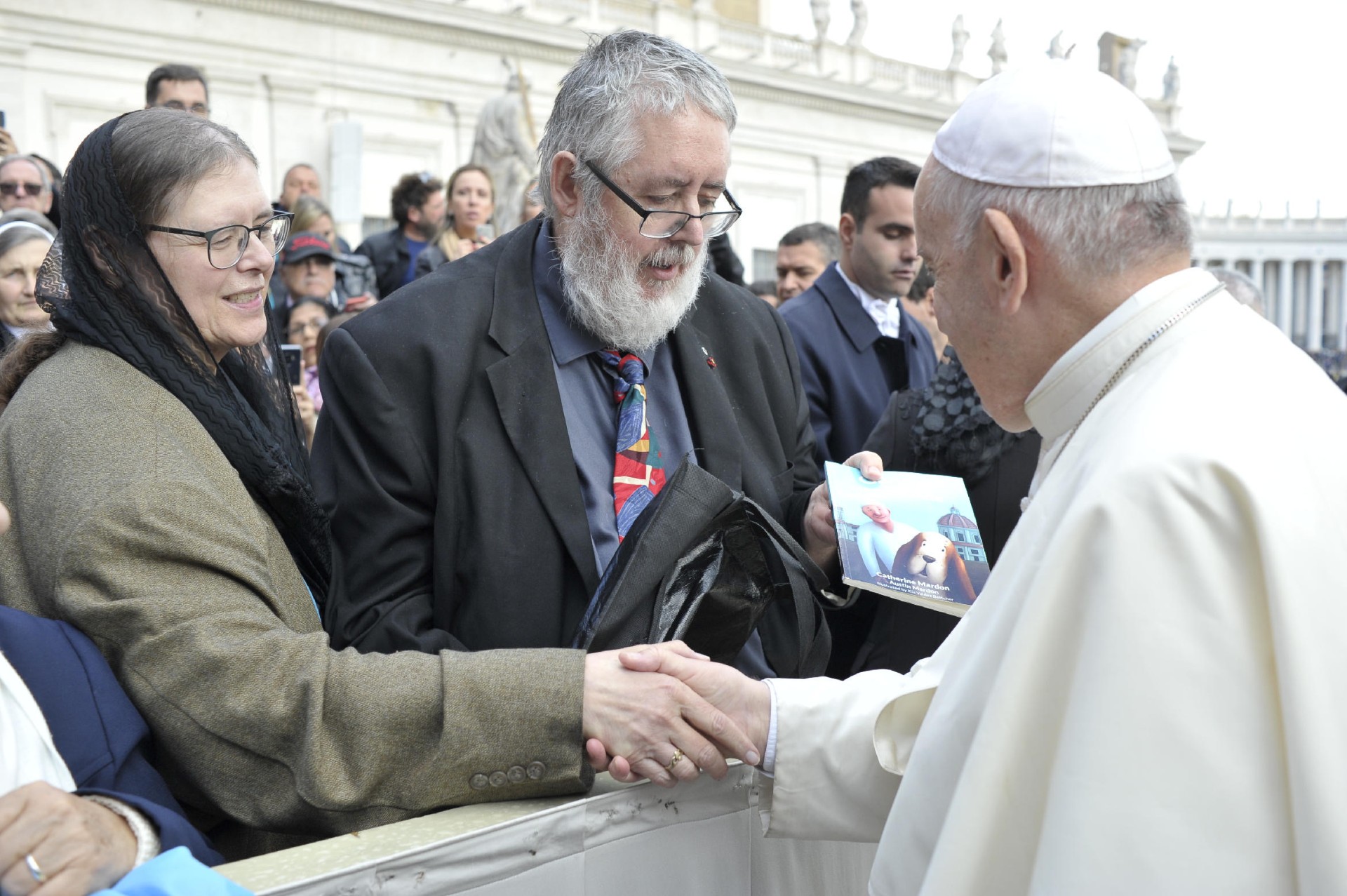
So too did Pope Francis, and when the couple told the late Pontiff about their foster children, he lifted his hands to the sky and said, “I know!” The moment has stayed with them both.
Still, they keep welcoming children. Asked why they took in so many, Catherine laughed: “It’s like potato chips. We’d always take another.”
Individuals with FAS are notorious for disappearing, and often they struggle to show gratitude for kindness and concern. Still, the Mardons say they can always expect calls on Christmas or birthdays because their foster children know they are always remembered. There will always be a present in their stockings.
The couple also co-author books for adults and children, often drawing from their work with the mentally ill and socially marginalized. Their children’s stories follow the adventures of a basset hound the couple once owned, named Gandy. The couple gave a copy of Gandy and the Man in White, a story about the dog’s visit to Rome, to Pope Francis during their 2019 audience. The books can be found at lulu.com.
The couple now live in Edmonton, and their partnership is grounded in both faith and service. They are Knight and Dame Commanders in the Order of St. Sylvester—the highest papal honour a layperson can receive. Among other things, the title technically grants them permission to ride horseback through St. Peter’s Square and carry swords in the Pope’s presence, although Austin jokes that finding a horse big enough might prove tricky.
The honours have come with more than ceremonial perks. When they met Pope Francis in 2017, they were ushered past security checks for a private papal audience. Catherine, who had lost much of her Spanish due to her brain injury, temporarily regained the ability to speak the language and held a brief conversation with the Holy Father—an experience she still describes as miraculous.
Their Catholic faith is deeply interwoven with their life’s work, especially in the realm of mental health. Schizophrenia carries a 10 per cent suicide rate within the first decade of diagnosis, and 40 per cent of those living with the illness will attempt suicide at some point. Homelessness, substance abuse, and extreme social isolation are common. Managing the illness takes a strict regimen of shifting medications, personal resilience, and significant external support. The Mardons have chosen not only to face this challenge in their own home but to open their doors to others facing similar battles.
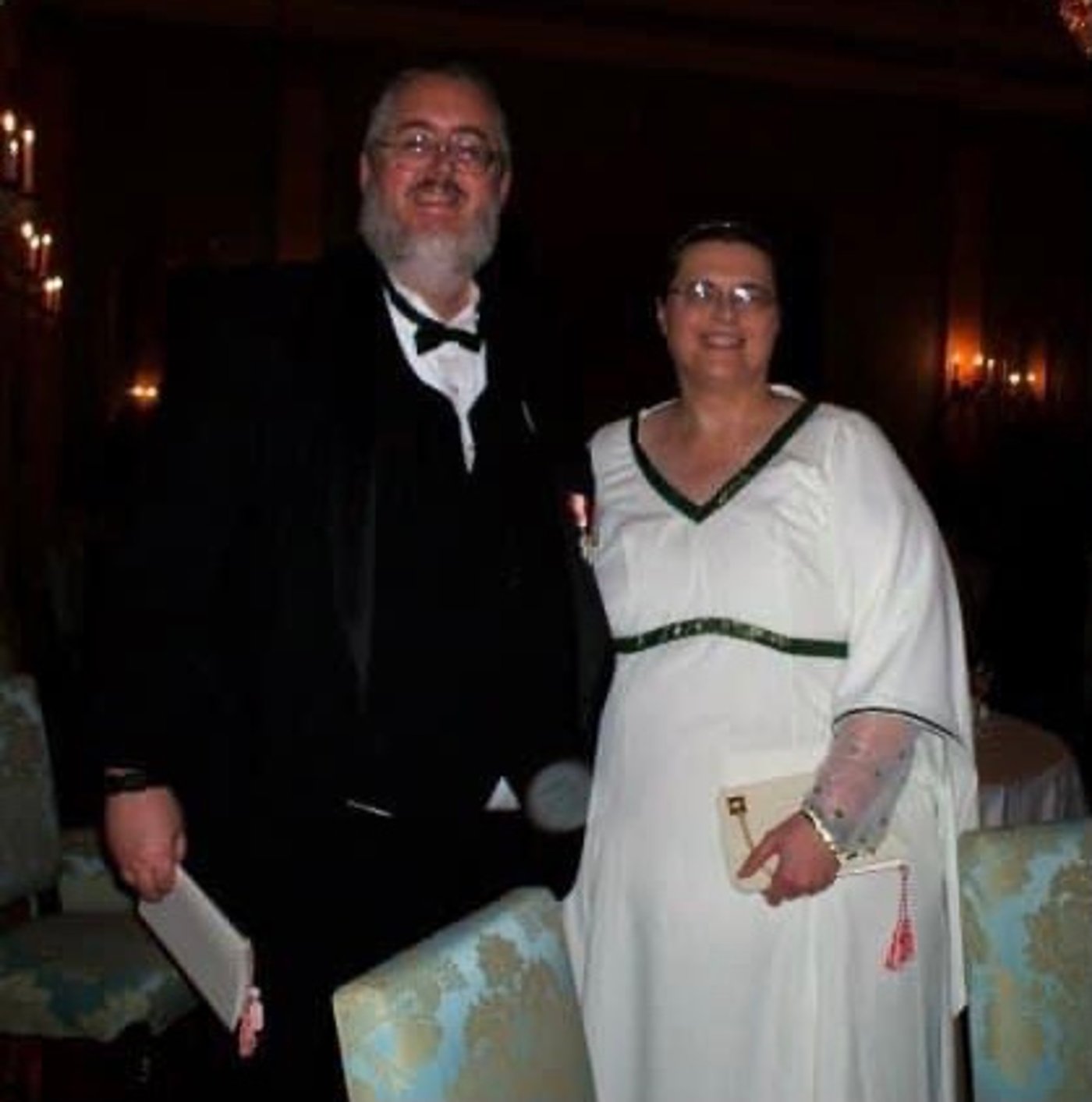
There were skeptics early on. Because of their mental health conditions—Austin with his schizophrenia and Catherine managing the long-term effects of her traumatic brain injury—many doubted the couple’s intentions to marry. Austin’s family initially opposed the marriage, and for the first six months, Catherine says people frequently asked if she also had schizophrenia.
But when Austin had the courage to tell her about his diagnosis, Catherine recognized in him something rare. While many with the illness retreat from society, Austin remained committed to his treatment and to life.
The key, Catherine says, is separating the person from the illness. “When symptoms break through, you deal with the problem—not the person.”
She also believes in commitment: “If you go in from the beginning without divorce as an option, you have to work through things.” As such, their relationship runs on communication and truth-telling.
The pair complement each other well. Schizophrenia, which often affects a person’s ability to notice and understand social cues, sometimes works in Austin’s favour. He’s unflinching in situations that require difficult conversations or confrontation. His only complaint? “Catherine is too nice.”
The result is a marriage built on faith, discipline, honesty, and a shared refusal to be defined by limitation.
Your voice matters! Join the conversation by submitting a Letter to the Editor here.