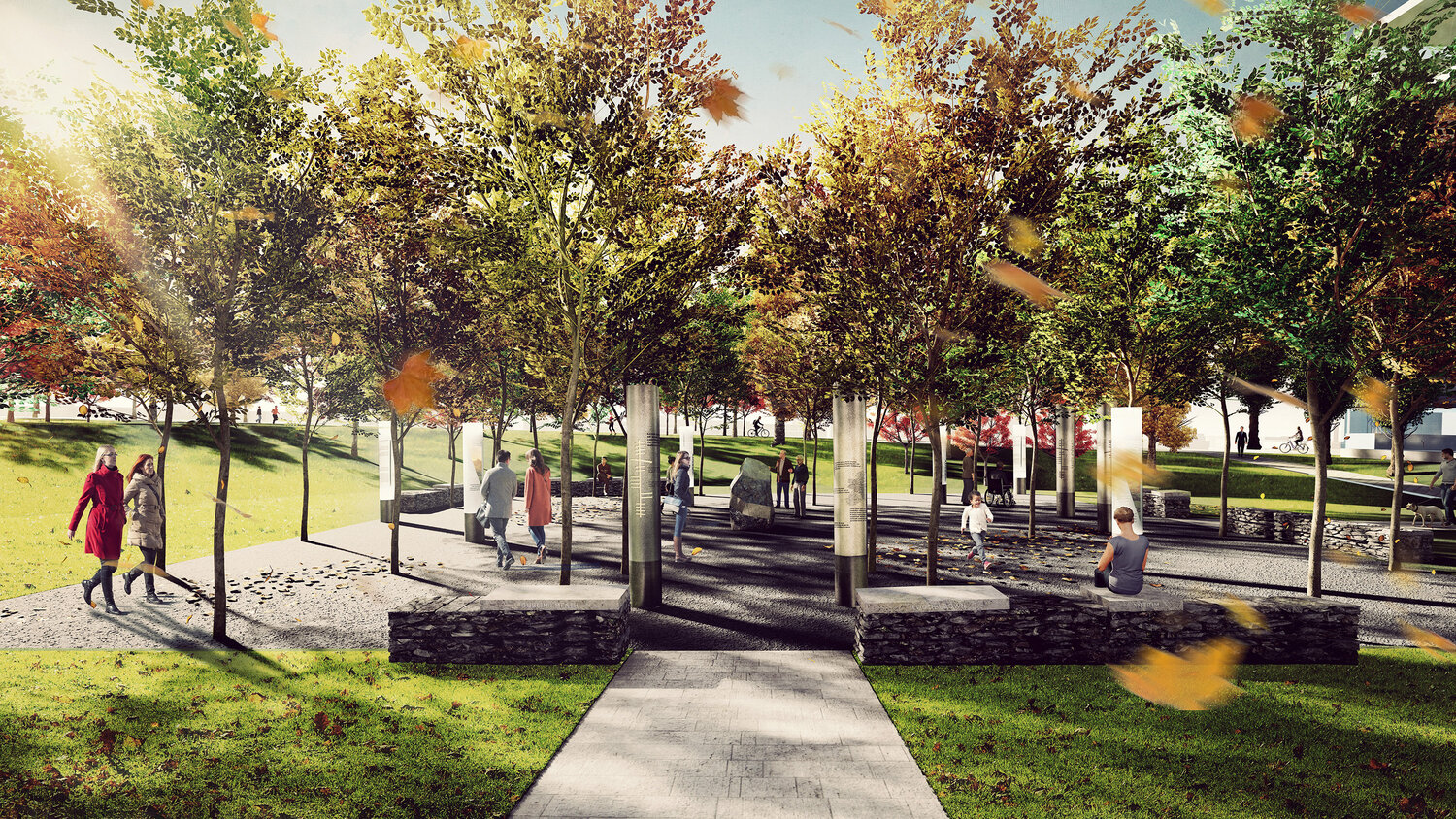

It has been a long journey to this point, but all going well, Ireland Canada Place will be unveiled this year at George Wainborn Park in Vancouver. The project aims to show gratitude to the Irish who have contributed to Canada and to celebrate their enduring legacy. The hope is that completing Ireland Canada Place will demonstrate the benefits of people giving of themselves to others.
A Tragic History with a Legacy of Compassion
During Ireland’s Great Hunger of 1845–48, over one million Irish died from starvation-related diseases. Thousands emigrated to Canada, many contracting these diseases aboard “coffin ships.” At Grosse Ile, Que., a quarantine station from 1832 to 1937, more than 5,000 mostly Irish immigrants died during typhus and cholera epidemics. Grosse Ile, located in the Isle-aux-Grues archipelago, is now a memorial to those lives lost.
A remarkable story of compassion emerged from the tragedy. Hundreds of Irish orphans were adopted by Quebec families at the urging of French Canadian Catholic Bishop Ignace Bourget. Their descendants are among the 40 per cent of Quebecers who claim Irish ancestry today. In memory of the Irish who died, the Ancient Order of Hibernians erected a Celtic cross at Grosse Ile in 1909. This act of remembrance was carried forward by President of the Quebec City Division of the Ancient Order of Hibernians, Jeremiah Gallagher, originally from County Cork, and his fellow members.
From Vision to Reality
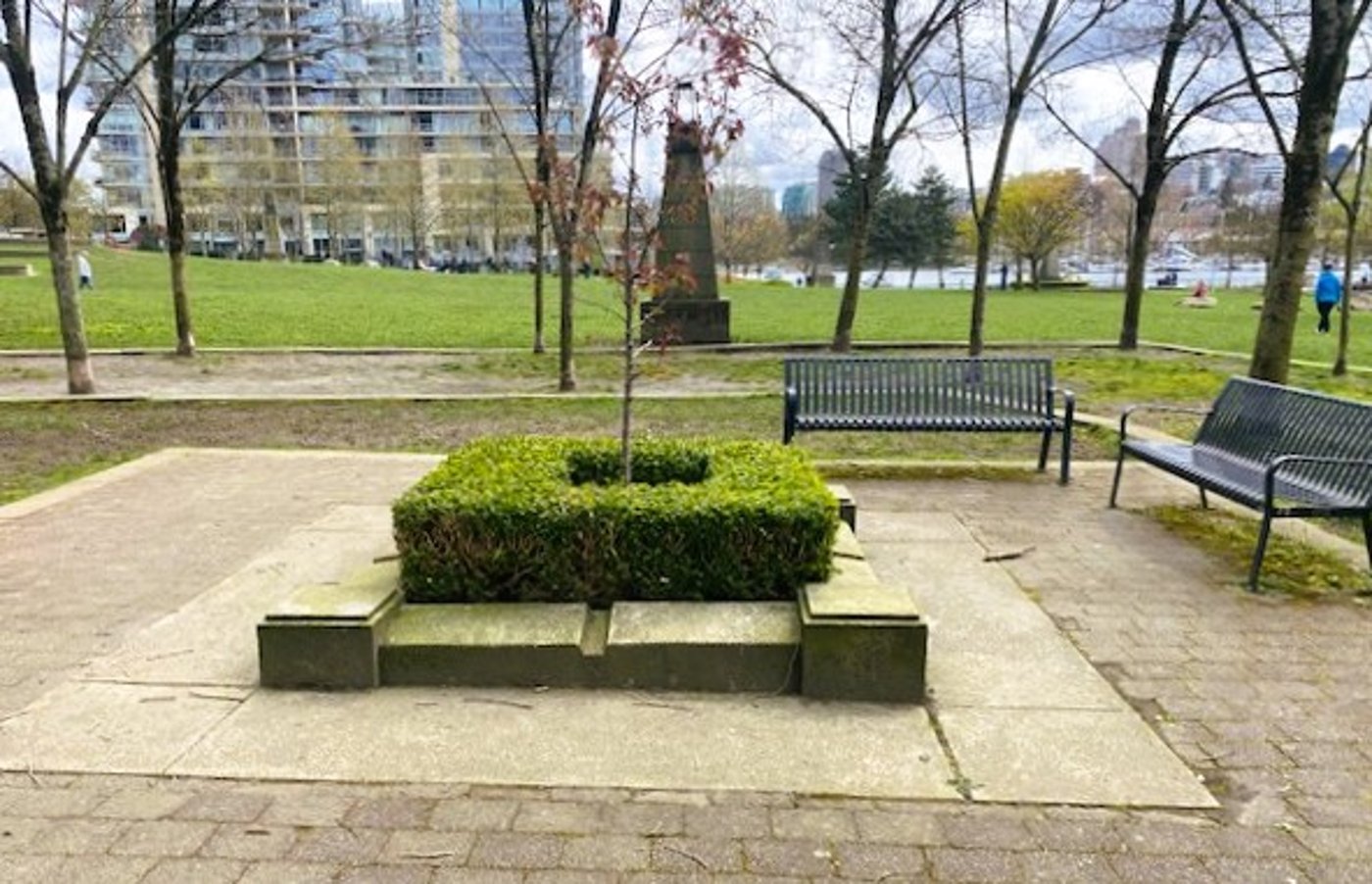
The idea for Ireland Canada Place was inspired by Irish President Mary McAleese’s visit to Vancouver in 2005, where she met with many Irish community members. The society applied to the Vancouver Park Board for a marker to commemorate Irish contributions, eventually selecting George Wainborn Park as the site.
The proposed design includes:
- A central feature honouring the immense contributions of Irish Canadians, with the project name in Canada’s official languages and Irish. French is included in gratitude to French Canadians for aiding the Irish in Quebec during 1845–48.
- 32 stone panels at grade, each representing a county of Ireland to ensure no one from the island is forgotten.
- A dedication panel commemorating the 5,000+ Irish interred at Grosse Ile, Que., and the French Canadians who assisted them during 1845–48.
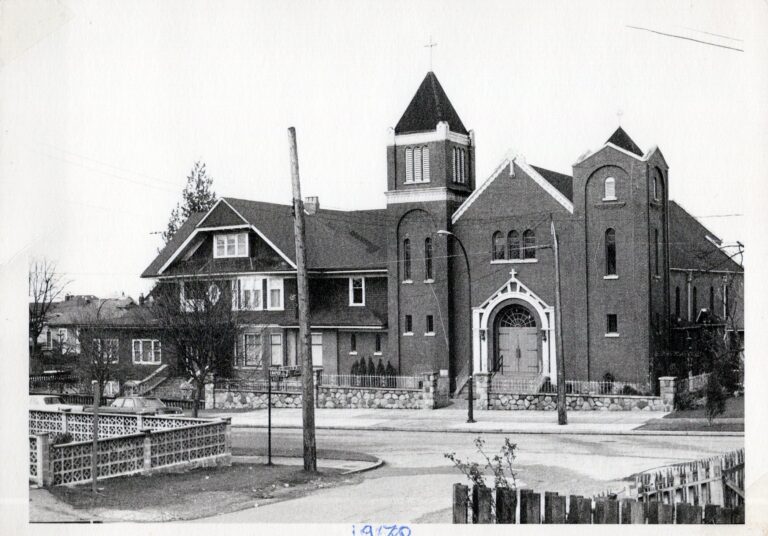
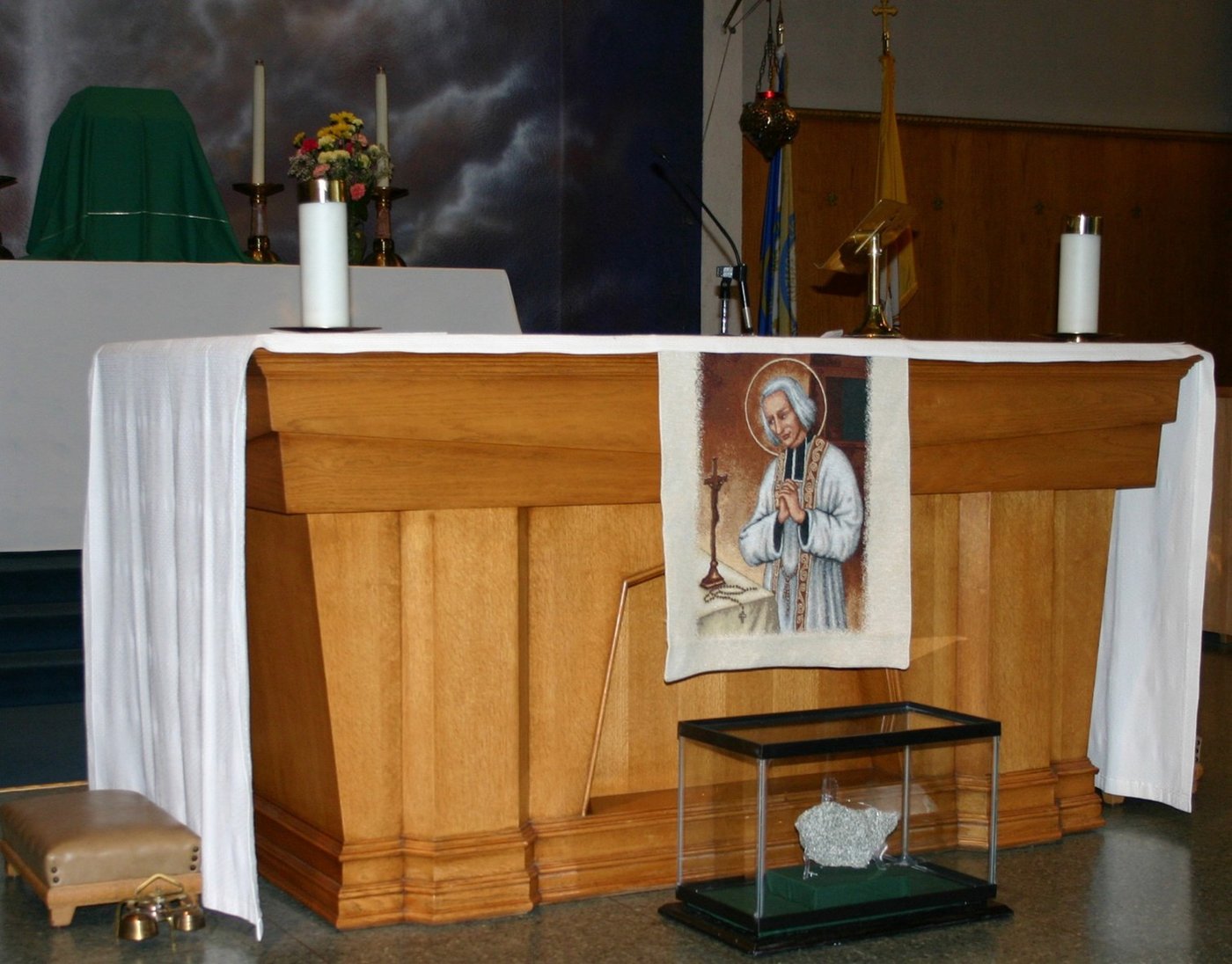
A significant piece of the project is a stone from the Celtic cross at Grosse Ile. This stone was generously donated by Marianna O’Gallagher, daughter of Jeremiah’s son Dermot O’Gallagher, who had repaired the cross after it was damaged by lightning in the 1960s. Dermot and Dr. Larkin Kerwin, later president of the Canadian Space Agency, worked together on the repairs. The stone arrived in Coquitlam in 2009 and was presented to Archbishop J. Michael Miller, CSB, at a transfer of the stone ceremony held at Place des Arts Centre. Encased in glass, the stone was displayed at Our Lady of Fatima Church until 2017 and is now permanently displayed at Sacred Heart Parish in Vancouver.
The story of Ireland Canada Place includes an important Indigenous connection. In 1847, the Choctaw Nation of Oklahoma sent aid to Ireland during the famine. In Canada, the Anishinaabe, Haudenosaunee, and Wendat nations also offered support to Irish refugees. In 2024, Ireland’s ambassador to Canada, Dr. Eamonn McKee, launched the Honouring Indigenous Aid program to recognize this generosity. Dr. McKee highlighted how these nations’ compassion “shines out from the pages of history” and acknowledged their enduring contributions to humanity.
The unveiling of Ireland Canada Place will also mark the 200th birthday of Thomas D’Arcy McGee, an Irish-Canadian politician, poet, journalist, and Father of Canadian Confederation. To mark the 200th anniversary of his death, Newpoint Players from the D’Arcy McGee Summer School in Carlingford, Ireland, plan to travel to Vancouver in 2025 to perform The Trial of Thomas D’Arcy McGee before the Court of History. In Anthony Russell’s historical and political fantasy, where art and history rhyme, Thomas D’Arcy McGee, Irish rebel and Canadian patriot, is called from the grave to answer the charge that he committed treason against Ireland and her people. Organizers hope to involve local actors and students in the performance, further connecting Vancouver’s Irish community with this historical event.
From tragedies, wonderful things can emerge
In March 2005, I visited Ireland to attend my dad’s anniversary Mass. There I met Eddie Reynolds, who would become the Dublin director of the Ireland Canada Place Society. The Ireland Canada Place project began, and we hope to finish it this year.
On a follow-up trip to Dublin, Eddie brought me to All Hallows Church in Drumcondra (allhallows.ie). On a wall inside the church, Eddie showed me a wonderful mural of the priests who completed their training at Maynooth, which I believe also included time at All Hallows. The priests travelled to various countries around the world to “spread the word,” and I believe Father Joe Cuddy may have completed his training for the priesthood at All Hallows.
In 2004, the Vancouver Park Board officially opened George Wainborn Park in False Creek to the public. Within the park is a square area called The Bosque, which includes 32 ash trees. Little did anyone realize that when we were given the site, the trees would later be counted and complement the 32 counties of Ireland, where all the Irish in Canada come from. The site in Vancouver is ideal because it is located in Vancouver and just a few hundred yards from the Pacific.
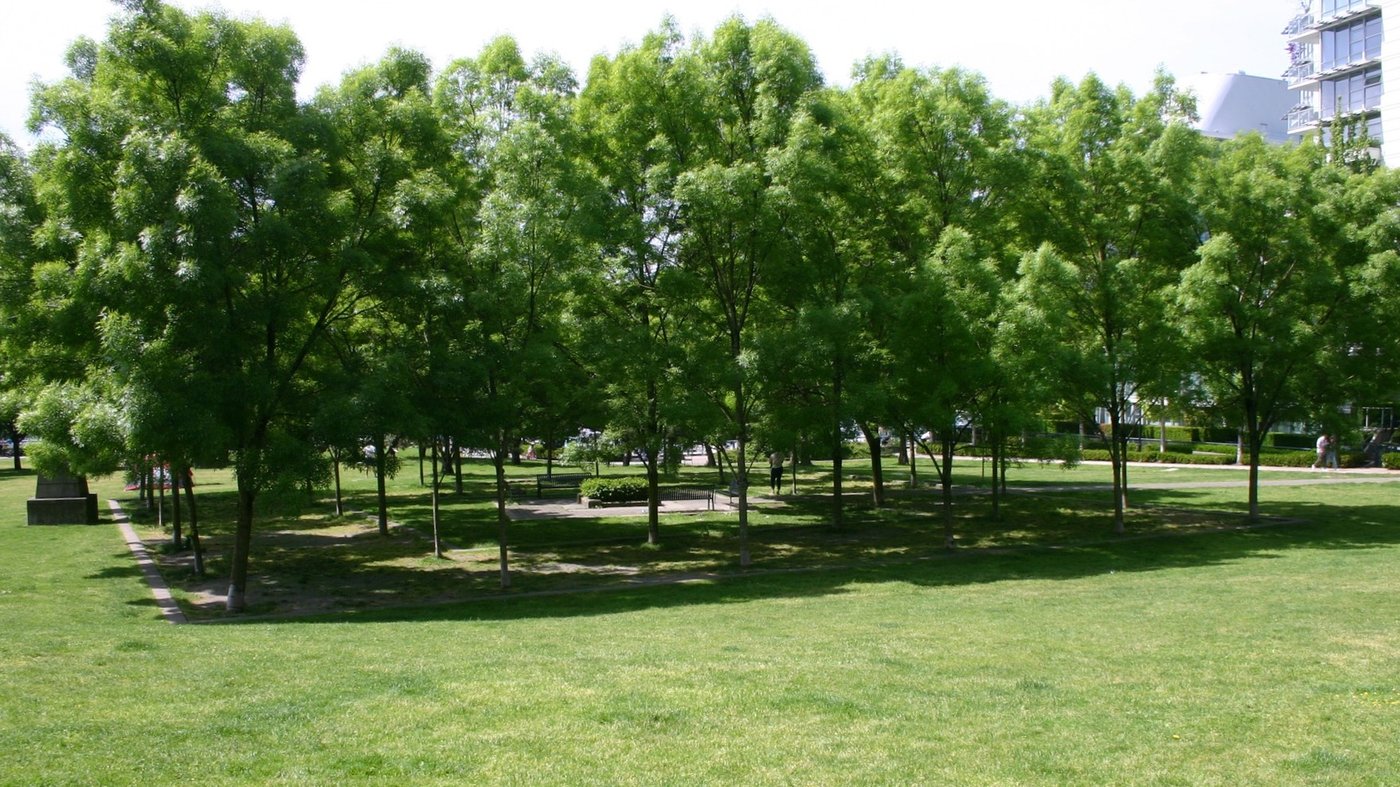
In 2015, the site was provided, and consultation began with the Musqueam First Nation to address any First Nations concerns.
The original idea was to display names of individuals on the marker, although now the plan is to list names on the project website instead.
I have been invited to speak to the Famine Institute in Roscommon, Ireland, this summer about Ireland Canada Place, where I plan to convey just how much the Irish and those of Irish descent contributed toward a better Canada for everyone in their lifetimes.
Ireland Canada Place, situated on the unceded lands of the Musqueam, Squamish, and Tsleil-Waututh First Nations, will stand as a testament to resilience, generosity, and community. It will honour not only the Irish who have contributed to Canada but also the Indigenous nations whose compassion helped Irish immigrants during their darkest days. This memorial is a reminder that out of tragedies, wonderful things can emerge.
Some of the Irish Catholics to be honoured at Ireland Canada Place
- Thomas D’Arcy McGee, a Father of Confederation of Canada.
- Vancouver Archbishop James Carney for his efforts to keep open the doors of St. Paul’s Hospital during the AIDS crisis.
- Sister Elizabeth Kelliher of the Franciscan Sisters of Atonement for her immense work to feed the hungry in the Downtown Eastside of Vancouver,
- Father Joe Cuddy, for his visions to rebuild St. Mary’s Parish in Vancouver and Notre Dame Regional Secondary in East Vancouver.
- Henry James Mackin, former CEO of Fraser Mills Coquitlam and kind donor to Vancouver College.
- William (Bill) McCarthy for his work overseeing the reconstruction of Notre Dame Regional Secondary.
- Halifax Archbishop John Thomas Connolly for his support of Confederation and the unification of Canada.
For more information or to donate to the project, visit irelandcanadaplace.com.
Brendan Flynn is executive director of Ireland Canada Place.
Your voice matters! Join the conversation by submitting a Letter to the Editor here.