‘Havens of hope’ are in place to serve the suffering
OTTAWA (CCN)
Catholic, Protestant, Jewish, and Muslim faith leaders made an appeal April 19 for protection of conscience rights for health professionals and institutions in the assisted-death bill.
“We stand together today, leaders within our respective faith communities: Jewish, Muslim, and Christian, to express our grave concern over the decriminalization of assisted suicide and euthanasia,” said Bruce Clemenger, president of the Evangelical Fellowship of Canada (EFC). “We believe that any action intended to end human life is morally and ethically wrong.”
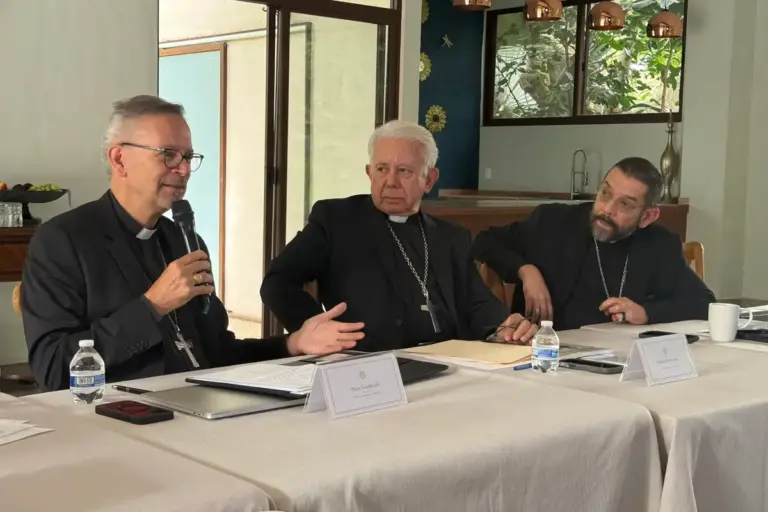
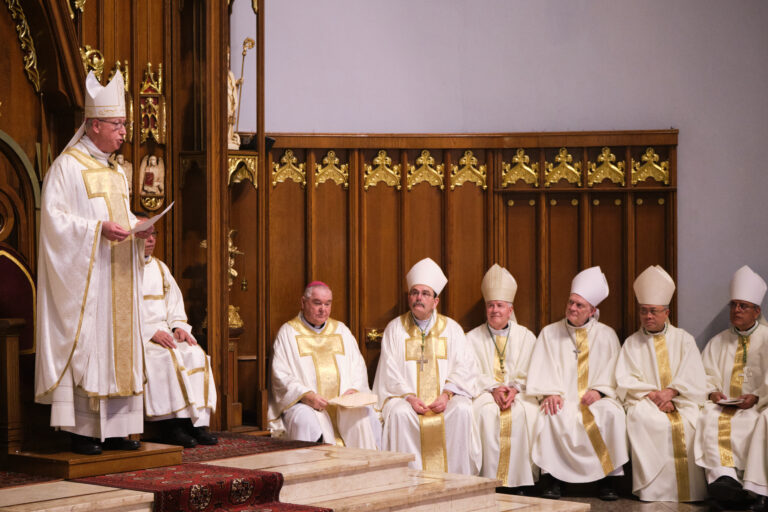
Cardinal Thomas Collins of Toronto, representing both the Canadian Conference of Catholic Bishops and the Coalition for HealthCARE and Conscience, pointed out faith-based communities have “established havens of hope” to serve suffering and sick people. The Catholic Health Alliance of Canada represents 110 facilities with almost 18,000 beds and 60,000 staff, he said.
“Whether it is the outstanding work of the Salvation Army, the Jewish community, or many other faiths, we would be a much colder, harsher country were faith communities not serving on the front lines of care and outreach,” he said.
“We ask, simply, for the same protection that has been provided to these facilities in every foreign jurisdiction in the world that has legalized euthanasia / assisted suicide; that is, never to force hospitals, nursing homes, hospices, and other care facilities to go against their mission and values, which are their institutional conscience.”
“These facilities are committed to caring for people, to journeying with patients and being with them till their final moments. What we object to is taking their life,” he said. “It is important to note that no health-care facility in Canada makes every procedure available to its patients. It is not practical, fiscally responsible or prudent to do so.”
He noted the lack of any protection of conscience rights in the draft Bill C-14. The matter is being left to the provinces and territories. If the government wants consistency in the delivery of legislation across Canada, it must have “consistency in the protection of conscience rights across the country,” he said.
Rabbi Dr. Reuven P. Bulka, of the Congregation Machzikei Hadas in Ottawa, made an appeal for respect for the individual conscience rights of medical professionals.
He warned forcing doctors to kill their patients or to be complicit in their killing by referring them for euthanasia “is to turn the world of medical practice upside down.”
“Additionally, we need to be sure that in all instances of such principled objection, the physician, nurse, pharmacist, or any other social or health-care professional who refuses to take part in such action is not in any way be discriminated against,” Rabbi Bulka said. “Whatever protocols are adopted in the wake of the impending legislation must build in rock-solid protections to prevent this from happening.”
Commissioner Susan McMillan, Territorial Commander of The Salvation Army in Canada and Bermuda, made a plea for palliative care, noting only 30 per cent of Canadians have access to end-of-life care that “cares about” patients as well as for them.
“If there is a lack of quality palliative care available, then we can’t expect people to make a truly informed choice about how to respond to their health-care needs,” she said.
Imam Sikander Hashmi of the Canadian Council of Imams said while he could understand why those suffering at their end of life might want to end their lives, the response should be prayer and “providing the best possible care.”
He warned “opening the door to death as an acceptable option for relief sends a deeply troubling message to those living on the margins of our society,” whether those with terminal illness, physical disability, or psychiatric illness, who “deserve to be embraced and welcomed as cherished members of society.”
“Support for euthanasia and assisted suicide does the exact opposite. It sends the terrible message that, sometimes, life is just not worth living,” he said. “In simple terms, it presents death as a viable option for those facing difficult challenges in life.”
“Once voluntarily choosing death over life becomes acceptable, it will be virtually impossible to protect the vulnerable against indirect encouragement and promotion of this act,” he said.
Dr. Caroline Girouard, a hemotologist and oncologist in Montreal, said she has fought 20 years for the best care for her patients, many of whom develop metastatic and incurable cancer. Since the beginning of this year, she said, she and colleagues have sensed a threat of reprisals if they refuse to participate in killing their patients.
She said a palliative-care colleague had been threatened with discipline if he did not comply with so-called medical aid in dying in his Montreal hospital.
Being obliged to refer is morally unsustainable for me, she said, and she and others would leave medicine rather than comply. She asked for the federal government to protect conscience rights rather than leave it up to the provinces.
Dr. Girouard said she had a young patient who was suffering a great deal including having problems breathing. She offered him medication to bring relief but he adamantly refused, for fear of being killed.
Asked if patients should have the right to go to an institution where they know no one will kill them even if they dip into depression, Cardinal Collins said faith institutions should be “havens of hope” where many would choose to come.