Automotive mechanic was raised in a small farming community north of Edmonton
OTTAWA (CCN)
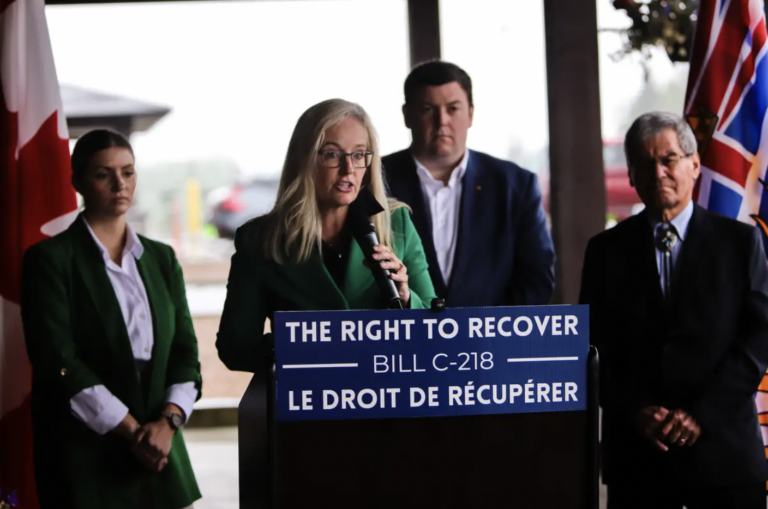
Conservative MP Arnold Viersen (Peace River-Westlock) tabled a motion March 8 to instruct Parliament’s health committee to study the public health effects of violent online pornography.
Motion M-47 would have the committee examine “the public health effects of the ease of access and viewing online violent and degrading sexually explicit material on children, women and men,” with a report to the House of Commons by July 2017.
Viersen, an automotive mechanic raised in a small farming community north of Edmonton, is a first-time MP representing a brand new riding pieced from parts of four other Alberta ridings, said he has received a “significant amount of letters” from people in his riding on the common theme of the needs to “ensure women are valued in our society and not seen as objects.”
The suicides of 17-year-old Rehteah Parsons, who took her life after online bullying that included pictures of her rape posted on Facebook; and of 15-year old Amanda Todd, who killed herself after posting an online video describing how she was blackmailed to show sexually-explicit photos of herself online; the abusive Facebook comments made by Dalhousie University dentistry students; and the trial of former CBC radio host Jian Ghomeshi all convinced Viersen of the need for this study, he said.
Viersen said in each of these cases acts have happened that people are not denying. In Parson’s case, “She was raped at a party and pictures of that were put on Facebook.”
“I have a young daughter,” he said. “I’ve got aunts, a beautiful wife. To me it is just appalling that this is acceptable behaviour, so acceptable they would put those pictures on Facebook.”
Though the Dalhousie students were not acting on their comments, he found disturbing that they were make them publicly. In Ghomeshi’s case, “He’s not denying he’s choking some of these women,” he is arguing the acts are “consensual.”
“Where are people getting this idea this is appropriate behaviour?” he asked.
Viersen said he’s been doing a lot of research. “It’s a dark place to go.”
Thirty per cent of all Internet bandwidth is used for viewing violent sexual content, he said. “It is something pervasive throughout the world that’s going to shape how women are being viewed and what’s appropriate in sexual relationships. It’s changing the way men and women interact.”
Viersen said he did not come to Ottawa expecting to introduce any private member’s legislation right away, but he pulled #37 in the private member’s lottery in order of precedence, meaning his motion, or any other legislation he may also decide to introduce, would come up for debate this June.
In crafting Motion M-47, he reached out to Rehteah Parsons’s mother and a range of other groups, seeking support.
“I believe that if we are to change the attitudes and behaviors that contribute to violence against women we must start at one of the root causes,” said Leah Parsons in a statement released by Viersen’s office. “Easy access to messages and visuals online that condone violent pornographic templates for our youth is setting the stage for what is the ‘norm’ when it comes to the treatment of females.”
“If my daughter was treated as a human being and not an object to conquer she would still be here today. Societal messages directly influence rape and violence towards women,” she said.
The motion also has the support of former MP Joy Smith, founder of the Joy Smith Foundation, an expert on human trafficking and its links to Internet pornography and prostitution. “This issue is truly one of the top concerns for families all across our nation. Parliamentarians have a responsibility to protect our citizens through responsible legislation,” she said, endorsing the motion.
“Violent and degrading sexually explicit material is a public health crisis,” said the Evangelical Fellowship of Canada’s public policy director Julia Beazley. “It affects all dynamics of health: physical, psychological, emotional, and relational; and is having profound and detrimental effects on child social and sexual development.”
Beazley said the relationship of online material to “to commercial sexual exploitation, rape culture, and the proliferation of child pornography are things society is going to have to address.”
“The kind of study proposed by Motion M-47 will be critical to understanding those harms and finding ways to address them,” she said.